
"Taken" Soundtrack Lyrics
Movie • 2009
Track Listing
Joy Denalane f/ Lupe Fiasco
The Hives
Ghinzu
Joy Denalane feat. Lupe Fiasco
Patty Hill & Mildred Hill
Brian Wilson, Mike Love
Pauline De Saxe
Pauline De Saxe
Cirex
Philippe Guez & Patrick Maarek
Zachary Schaffer
"Taken (Original Motion Picture Soundtrack)" – Album Guide to Tracks and Key Scenes
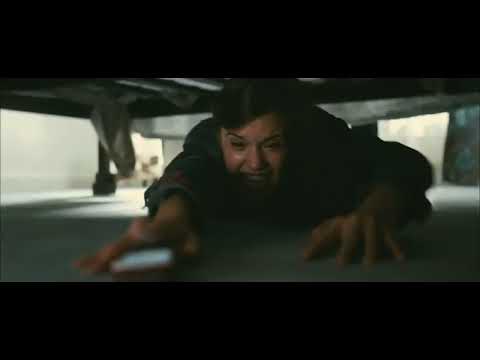
Overview
What does a parent’s panic sound like? Taken replies with cold air and a ticking pulse — strings like tripwires, percussion like a heartbeat that won’t slow down. Bryan Mills (Liam Neeson) barrels from suburban calm into Parisian hell after his daughter is abducted; Nathaniel Méchaly’s score holds the frame steady, then tightens it until you feel the grip marks.
The soundtrack’s arc mirrors the plot: small, hesitant motifs in the prologue give way to stalking ostinati, then hard-snap action cues that move like a trained mind solving problems at speed. A handful of needle-drops — most famously Ghinzu’s “The Dragster Wave” — lend iron and nightlife veneer to a story that otherwise stays stripped and breathless. It’s a lean listen, built for momentum.
Genre phases map neatly to theme: neo-classical strings — grief and resolve; industrial/electro percussion — surveillance, pursuit; alt-rock and Euro-indie — the city’s indifferent thrum. Translation: chamber textures = private pain; drum design = method; guitars/synths = urban friction.
How It Was Made
Composer Nathaniel Méchaly led the sound of the franchise from the start, fusing intimate cello/piano writing with tense, metronomic action writing. The album version of the score collects compact cues that track each phase of Bryan’s hunt (airport sweep, construction-site brawl, rooftop chase) and integrates a small set of licensed songs, including Joy Denalane & Lupe Fiasco’s “Change.” The production was driven by EuropaCorp’s in-house pipeline; commercial releases have circulated via European distributors and later digital reissues.
Editorially, the score works like a pressure system: themes appear in bare sketches and return in armored form once Bryan commits to the mission. Percussion often behaves like editing — phrases cut on footfalls, impacts, gear changes.

Tracks & Scenes
Here are key cues and songs — where they land and why they matter. (Album titles in quotation marks; some songs appear on the film but not all album editions.)
“Opening” / “Permission to Go to Paris” (Nathaniel Méchaly)
- Where it plays:
- Early set-up around Los Angeles and the father–daughter dynamic. Sparse piano and soft strings mark ordinary life before the plot detonates.
- Why it matters:
- Establishes Bryan’s interior — quiet, careful, already listening. Those cells harden later into pursuit music.
“The Concert” → “There’s Somebody Here” (Nathaniel Méchaly)
- Where it plays:
- Transition from pop-gloss arrival in Paris to dread inside the apartment across from the construction yard. The harmony narrows as Kim realizes intruders are in the flat; the cue rides her breath into the phone call heard ’round the internet.
- Why it matters:
- Cuts the film in two — innocence vs. war footing. The harmony literally collapses under the famous monologue.
“Tick Tick Boom” (The Hives)
- Where it plays:
- Apartment party sequence before the abduction. Amanda blasts the song and dances through the rooms; the cut flips from carefree swagger to terror within minutes.
- Why it matters:
- Weaponized irony — a party banger that becomes the last sound of normalcy. The hook’s countdown feel perversely foreshadows the clock now running.
“Pursuit at Roissy (Airport)” (Nathaniel Méchaly)
- Where it plays:
- Airport tracking section as Bryan zeroes in on Marko’s pipeline. Snare subdivisions mimic security doors and jetway clatter while strings sprint in lockstep with handheld camera work.
- Why it matters:
- Blueprint action writing — rhythm equals tactics. You hear the plan forming as much as you see it.
“On the Rooftop” → “96 Hours” (Nathaniel Méchaly)
- Where it plays:
- Chase across Parisian roofs, then a grim montage reminding us of the trafficking clock. Low brass lands like a judge’s gavel between string runs.
- Why it matters:
- The franchise’s tempo, defined — muscular but economical. No grandstanding, just velocity.
“The Construction Site” → “Pursuit of the Construction Site” (Nathaniel Méchaly)
- Where it plays:
- Interrogation and close-quarters mayhem in the half-built complex. Percussive hits dovetail with impacts; the cue phrases are cut at edit length, so the music seems to anticipate each blow.
- Why it matters:
- Noise and note become one. It’s where Méchaly’s design-heavy action style pays off onscreen.
“Change” (Joy Denalane feat. Lupe Fiasco)
- Where it plays:
- Used in source/needle-drop context tied to early film scenes; the album positions it near the start, pairing with departure beats before the story turns.
- Why it matters:
- Gives the film one moment of extroverted color — a palate cleanser before the monochrome hunt.
“Saving Amanda” (Nathaniel Méchaly)
- Where it plays:
- Rescue beat that trades adrenaline for relief. The cue relaxes into longer string phrases while keeping a pulse underneath, because the mission isn’t done yet.
- Why it matters:
- Earned catharsis — Méchaly lets emotion widen without ever dropping vigilance.
“The Dragster Wave” (Ghinzu)
- Where it plays:
- Prominently used in marketing and over the end credits. Crunching guitars and motorik drive slide over the final image into titles.
- Why it matters:
- It became the film’s sonic calling card — a Euro-indie stamp that audiences now associate with the franchise’s origin.
Notes & Trivia
- The album sequencing starts with chamber-quiet cues before unleashing the action material — a mirror of the film’s emotional whiplash.
- “The Dragster Wave” wasn’t written for the movie; the Belgian band Ghinzu’s track (from Blow) became inseparable from Taken thanks to the trailers and credits.
- “Tick Tick Boom” scores Amanda’s pre-abduction dancing — a stark before/after line for the story.
- Depending on territory/edition, the digital album shows 19–20 tracks; the underlying score program runs ~42–47 minutes.
- Méchaly’s work on the film won a BMI Film Music Award and set the template he’d expand in the sequels.
Reception & Quotes
The film’s reviews were mixed-to-positive, but the score drew steady praise from soundtrack writers for its taut economy and coolly effective momentum.
“Soft and understated… then suddenly adrenalized — action built from rhythm, not bombast.” Movie Music UK
“If you can’t wait for the next Bourne thriller… you don’t have to.” RogerEbert.com
“The marketing hangs on one line; the music keeps everything tense between those words.” Filmtracks
Album availability remains solid across streaming platforms, with reissues surfacing over time; physical CDs circulate via European labels and specialty retailers.
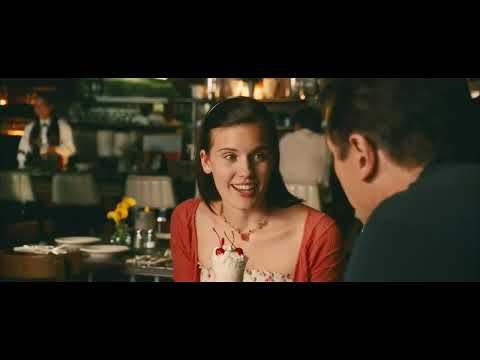
Interesting Facts
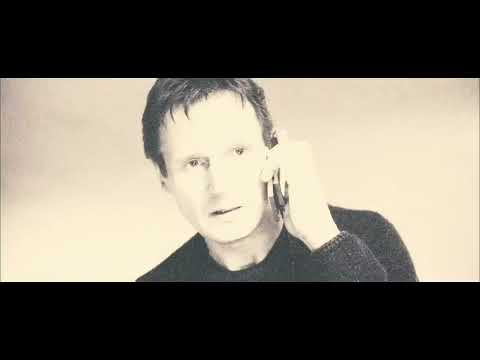
- Phone-call myth: The “particular set of skills” speech influenced the marketing — and the score around it keeps a surgical hush until the line lands.
- Rhythm as editing: Méchaly often writes in short, cut-length phrases so cues can stitch to fight beats and gear shifts cleanly.
- Euro-indie imprint: A French production with a Belgian rock signature and a Paris soundscape — truly continental.
- Airport grammar: The Roissy/Charles-de-Gaulle sequence is a small masterclass in suspense via tempo and timbre.
- Legacy: The first film’s soundworld returns — bulked up — in the sequels, but the DNA is here: cello heart, percussive nerve.
Technical Info
- Title: Taken (Original Motion Picture Soundtrack)
- Year: 2009 (U.S. release; film originally 2008 in France)
- Type: Film soundtrack — original score with select songs
- Composer: Nathaniel Méchaly
- Selected notable placements: “Tick Tick Boom” (The Hives); “Change” (Joy Denalane feat. Lupe Fiasco); “The Dragster Wave” (Ghinzu)
- Key score cues: “There’s Somebody Here,” “Pursuit at Roissy,” “On the Rooftop,” “96 Hours,” “The Construction Site,” “Saving Amanda”
- Label/album status: Issued in Europe with later digital releases/reissues; widely available on major streaming platforms
- Release context: Film by Pierre Morel; produced by EuropaCorp; U.S. release January 2009
Questions & Answers
- Who composed the score for Taken?
- Nathaniel Méchaly — his cool, rhythm-forward writing defines the trilogy’s sound.
- What song plays over the end credits and in trailers?
- Ghinzu’s “The Dragster Wave,” a Belgian alt-rock cut that became the film’s calling card.
- What track is blasting in the apartment before the abduction?
- “Tick Tick Boom” by The Hives — it scores Amanda’s carefree dancing just before everything snaps.
- Is the “Change” feature (Joy Denalane & Lupe Fiasco) actually in the film?
- Yes — it appears as licensed source music; the album places it near the opening stretch.
- Does the album include every cue heard on screen?
- No. It’s a curated program; some film mixes and alternates remain unreleased or vary by region.
Key Contributors
| Entity | Relation | Notes |
|---|---|---|
| Nathaniel Méchaly | composed original score | Set the series’ musical identity |
| Pierre Morel | directed film | Action/thriller pacing drives cue design |
| Luc Besson; Robert Mark Kamen | wrote screenplay | Story engine the score follows |
| EuropaCorp | production company | Origin studio for film and soundtrack pipeline |
| Ghinzu | artist — “The Dragster Wave” | Trailer and end-credits signature |
| The Hives | artist — “Tick Tick Boom” | Apartment party needle-drop |
| Joy Denalane feat. Lupe Fiasco | artists — “Change” | Licensed source track near the film’s start |
| 20th Century Fox (U.S.) | theatrical distributor | U.S. release 2009; marketing used the iconic phone-call |
Sources: Movie Music UK; Filmtracks; RogerEbert.com; Wikipedia (film entry); IMDb title & soundtracks pages; Discogs release page; SoundtrackINFO listing; Spotify/Apple Music album pages; Ghinzu artist notes; Movieclips Classic Trailers (YouTube).
November, 27th 2025
A-Z Lyrics Universe
Cynthia Erivo Popular
Ariana Grande Horsepower
Post Malone Ain't No Love in Oklahoma
Luke Combs Good Riddance (Time of Your Life)
Green Day Bye Bye Bye
*NSYNC You're the One That I Wan
John Travolta & Olivia Newton-John I Always Wanted a Brother
Braelyn Rankins, Theo Somolu, Kelvin Harrison Jr. and Aaron Pierre The Power of Love
Frankie Goes to Hollywood Beyond
Auli’i Cravalho feat. Rachel House MORE ›