
"Taken 3" Soundtrack Lyrics
Movie • 2015
Track Listing
Glass Animals
Giles Edward Palmer
Luddecke Larry / Lenart Paul
John Moran
Sam A Mcloughlin
David Menke
Ariel Rechtshaid, Josh Kessler, Lewis Pesacov
Mardi B Sheridan / The Bards / Mike Balzotti
Dhiren Raichura Infinity – The Xx
Dick Walter
Darrell Wayne Perry & Donald Ross Prifmmer
Hart / Dudas
George Byrne
And
Mildred Hill & Patty Hill
Ralph Lamb / Andrew Ross
Chris Laurence / John Horler
Ólafur Arnalds & Arnor Dan
Guy Edward Fletcher
Zachary Shaffer
Dave Antrell
Howling
"Taken 3 (Original Motion Picture Soundtrack)" – Album Guide to Tracks and Key Scenes
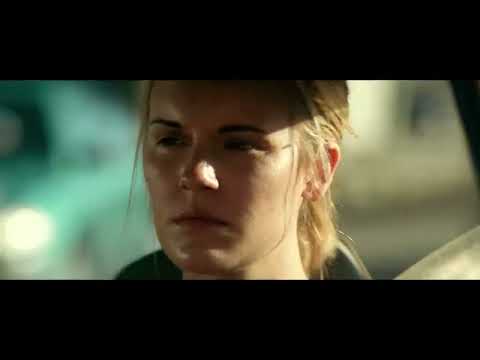
Overview
How do you score a chase that won’t catch its breath? Taken 3 answers with pulse and pressure — Nathaniel Méchaly’s strings pull tight as a garrote while brass and percussion slam like closing elevator doors. Bryan Mills (Liam Neeson) is framed for a murder that detonates the fragile calm he’s tried to build; the music doesn’t decorate that plot, it drives it, reintroducing the franchise’s cello-and-ostinato identity with heavier low end and wider action silhouettes.
The album arcs from grief to pursuit to reckoning. A hushed original (“Let Me Weep”) and imported songs (Glass Animals’ “Toes,” Ólafur Arnalds & Arnór Dan’s “A Stutter”) sketch the private cost of public mayhem; Méchaly’s set pieces — “Bryan Runs,” “College Pursuit,” “Porsche Pursuit,” “Store Fight” — shove you into dashboards and stairwells. The end credits exhale into the deep nocturnal throb of “Howling (Âme Remix),” a club-world pulse that lets the adrenaline drain without quite letting go.
Stylistic phases map cleanly to theme: neo-classical strings — mourning and resolve; industrial/ticking percussion — surveillance and method; alt-electronic/indie — L.A.’s indifferent hum. Translation: chamber textures = vulnerability; drum design = paranoia; synth haze = the city’s after-hours conscience.
How It Was Made
Méchaly returned for the finale, expanding the orchestral palette (muscular brass, agitated strings) while keeping the series’ lyrical-cello DNA. The official album, issued by EuropaCorp and distributed by Because Music, gathers 23 tracks — a compact slate of cues and a handful of licensed songs that appear in-film. Editorially, the score plays “motivic relay”: grief motifs hand the baton to action ostinati as Bryan moves from shock to strategy.
Music supervision weaves a few source cuts for diegetic texture (party ambience, radio beds), but the headline placements are deliberate contrasts — intimate vocals against freeway carnage; a hypnotic house track cooling the blood after the last explosion.

Tracks & Scenes
Key cues and songs below — what you hear, where it plays, and why it matters. Times vary slightly by cut/territory; album titles are in quotation marks.
“Let Me Weep” (Gaëlle Méchaly)
- Where it plays:
- An early elegiac needle-drop around the film’s first major loss. The scene contracts to close-ups and held breath; the intimate vocal sits like a private prayer while investigators and family process the shock. Non-diegetic, but mixed forward as if the room itself were singing.
- Why it matters:
- It formalizes grief as the dramatic engine. From here, every action cue argues with this lullaby.
“Toes” (Glass Animals)
- Where it plays:
- Early — moody, elastic beat over establishing cuts of Los Angeles and the Mills family’s uneasy “normal.” Often heard diegetically (ambient/club/radio), the synth-percussion feels like air-conditioning that never shuts off.
- Why it matters:
- Paints environment as character: slick, indifferent, faintly predatory. Its cool contrasts with Méchaly’s organic strings.
“A Stutter” (Ólafur Arnalds & Arnór Dan)
- Where it plays:
- A quiet pocket with Kim processing the aftermath — the piano pulse and falsetto thread a small domestic space while the outside world demands action. Non-diegetic, but placed like breath between sprints.
- Why it matters:
- Humanizes the chase. Bridges the franchise’s hard shell and its bruised core.
“Happy Birthday to You” (traditional)
- Where it plays:
- Early celebration beat for Kim — a short, diegetic sing-along that seeds character business before the plot detonates.
- Why it matters:
- Clever misdirection: warmth as fuse.
“Bryan Runs” / “Bryan’s Escape” (Nathaniel Méchaly)
- Where it plays:
- Back-to-back getaway writing: a foot chase through corridors and alleys, then a tactical slip past perimeter units. Brass hits mimic sirens; string ostinati double as Bryan’s internal metronome.
- Why it matters:
- Signature Taken kinetics — rhythm design equals problem-solving on the move.
“College Pursuit” (Nathaniel Méchaly)
- Where it plays:
- Campus sweep as Bryan triangulates Kim’s danger via phones, hallways, and instinct. The cue throttles between stealth and sprint as security converges.
- Why it matters:
- Spine of the mid-film. Shows how the score breathes with geography — wide shots: cymbal wash; tight corners: pizzicato and clockwork percussion.
“Porsche Pursuit” → “Store Fight” (Nathaniel Méchaly)
- Where it plays:
- Vehicle chase into retail chaos. Metallic percussion and low brass grind under tire squeal and shattered glass — a sound-design handshake.
- Why it matters:
- Action architecture: phrases cut like edits, so the music anticipates impacts rather than merely reacting.
“Howling (Âme Remix)” (Howling — RY X & Frank Wiedemann)
- Where it plays:
- End credits roll under a deep, hypnotic house pulse. The first bars overlap the final shot before the titles take the screen.
- Why it matters:
- After white-knuckle brass and bowed tension, the track provides a nocturnal exhale — still haunted, still moving.
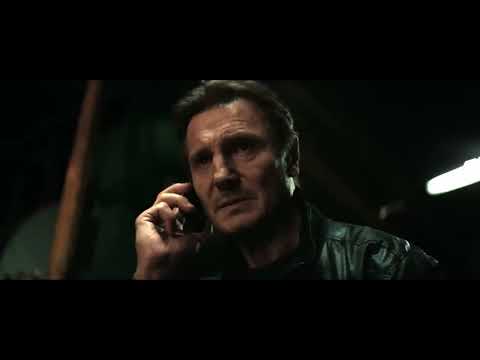
Notes & Trivia
- Méchaly’s trilogy work picked up BMI Film Music honors; the third entry leans the most on full-orchestra hits over the franchise’s string-led identity.
- The official album mixes original score and select licensed songs; runtime ~69 minutes across 23 tracks.
- The end-credits choice — a European electronic cut — nods to the franchise’s French production roots while closing an L.A. story.
- “Toes” became a discovery moment for casual viewers who chased the song after hearing it in the film.
Reception & Quotes
Reviews of the film were mixed-to-negative; soundtrack writers were warmer on Méchaly’s brawnier orchestral approach and emotive through-line.
“More impressive than the film… elaborate bursts of symphonic chaos anchored by punchy brass.” Movie Music UK
“The film is lazy and tremendously overwrought,” but Neeson’s sincerity endures. RogerEbert.com
Album availability: wide digital release on major platforms; the artist tracks listed above appear on standard digital pressings.
Interesting Facts
- Cello DNA: Méchaly’s background as a cellist colors the franchise sound — grief cues often sing from the low strings.
- Three lanes of music: Emotion (strings/piano), procedure (ticking percussion), impact (brass clusters).
- Credits crossover: The end-credits electronic track became a mini-cult favorite beyond the series’ orchestral identity.
- Sound-design handshake: Car-chase cues are written in edit-length phrases — musical “cuts” aligned to gear changes and collisions.
- Album vs. film: Not every region got identical digital listings, but the 23-track program is the baseline.
Technical Info
- Title: Taken 3 (Original Motion Picture Soundtrack)
- Year: 2015 (U.S. rollout; film released late 2014 in some territories)
- Type: Film soundtrack — score with select songs
- Composer: Nathaniel Méchaly
- Notable featured songs: “Let Me Weep” (Gaëlle Méchaly); “Toes” (Glass Animals); “A Stutter” (Ólafur Arnalds & Arnór Dan); “Howling (Âme Remix)” (Howling)
- Label / distribution: ℗ 2015 EuropaCorp — distributed by Because Music
- Selected cue highlights: “Bryan Runs,” “Bryan’s Escape,” “College Pursuit,” “Porsche Pursuit,” “Store Fight,” “Saving Kim”
- Availability: Major streaming platforms (Apple Music, Spotify, YouTube Music); 23-track digital program (~1:09)
Questions & Answers
- Who composed the score for Taken 3?
- Nathaniel Méchaly, returning from the first two films with a bigger, heavier action silhouette.
- What’s the song over the end credits?
- “Howling (Âme Remix)” by Howling (RY X & Frank Wiedemann) — a deep, hypnotic electronic track.
- Which songs on the album are not by Méchaly?
- Key inclusions: “Let Me Weep” (Gaëlle Méchaly), “Toes” (Glass Animals), and “A Stutter” (Ólafur Arnalds & Arnór Dan).
- Is the trailer music on the album?
- The trailer leans on film cues and trailer-house edits; the retail album focuses on the score plus a few licensed songs.
- Does every song heard in the film appear on every album version?
- No — licensing varies by territory/platform; the standard digital issue contains 23 tracks and the featured artist cuts above.
Key Contributors
| Entity | Relation | Notes |
|---|---|---|
| Nathaniel Méchaly | composed original score | Scored all three Taken films |
| Olivier Megaton | directed film | Action staging informs cue architecture |
| EuropaCorp | produced / soundtrack owner (℗) | Distributed with Because Music |
| Because Music | distributed album | Digital release worldwide |
| Glass Animals | performed “Toes” | Licensed track featured in the film |
| Gaëlle Méchaly | wrote/performed “Let Me Weep” | Original song on the album |
| Ólafur Arnalds & Arnór Dan | performed “A Stutter” | Featured in film and on album |
| Howling (RY X & Frank Wiedemann) | performed “Howling (Âme Remix)” | End-credits song |
| 20th Century Fox | released official trailers | Primary promotional cuts used here for figures |
Sources: Apple Music; Spotify; IMDb Soundtracks; Movie Music UK (review & track list); MediaStinger (end-credits); Wikipedia (film & album details); Official 20th Century Fox trailer (YouTube); YouTube Music album listing.
We were a little upset that about half of this soundtrack cannot be found on the Internet. Maybe because it is still goes into the box in some places? However, the remaining half speaks a lot. Firstly, it is a great action movie; every breath is accompanied by some excellent action on the screen. Each subsequent part of the film tends to surpass the previous one, as if there comes some kind of competition for entertainment. Have you ever seen that car beats off the front wheel of the aircraft while it is taking off? After watching the film, you'll see. Some of the effects created in a unique embodiment, their analogues did not exist before. Here we have continuous explosions, car chases, shooting and it's done in incredibly exciting way. Liam Neeson many times threatened to leave the show business, but every time he came back, just taking required relaxation. This year only, he pleases us with two exciting entertaining action films. What about music, there are different genres here: pop (Poor People), lounge, folk, rap, country (Every Promise I Ever Made), electronic and jazz (Come And Play). The predominance is given to the pop genre in all its variations. The collection includes 22 songs, with two instrumentals. They all are samples from different eras – beginning with England of 50th of the last century (Ariel Rechtshaid, Josh Kessler) to modern America (David Menke). For some reason, most of the compositions by the mood created in contrast to the film. Contrary, they are slow, gentle and relaxed. The film is intense and breathtaking.November, 27th 2025
Visit "Taken 3" profile on IMDb, more info on WikipediaA-Z Lyrics Universe
Cynthia Erivo Popular
Ariana Grande Horsepower
Post Malone Ain't No Love in Oklahoma
Luke Combs Good Riddance (Time of Your Life)
Green Day Bye Bye Bye
*NSYNC You're the One That I Wan
John Travolta & Olivia Newton-John I Always Wanted a Brother
Braelyn Rankins, Theo Somolu, Kelvin Harrison Jr. and Aaron Pierre The Power of Love
Frankie Goes to Hollywood Beyond
Auli’i Cravalho feat. Rachel House MORE ›