
"Tale of Two Cities" Soundtrack Lyrics
Musical • 2008
Track Listing
Tale of Two Cities Cast
Brandi Burkhardt
"A Tale of Two Cities (Original Stage Musical)" – Album Guide to Tracks and Key Scenes
Overview
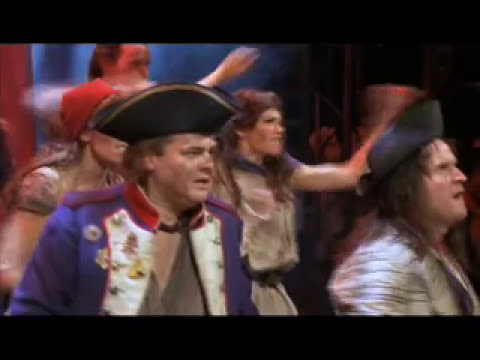
How do you sing redemption when revolution is shouting in your ear? A Tale of Two Cities answers with a score that chases sacrifice through courtroom thunder, tavern whirl, and the whisper of a goodbye no one hears. Jill Santoriello’s musical (book, music, and lyrics) tracks Lucie Manette, Charles Darnay, and Sydney Carton as love and fate pull them between London and Paris. The sound is through-composed drama — ballads that glow, anthems that drive, and crowd numbers that swing the guillotine’s shadow across the stage.
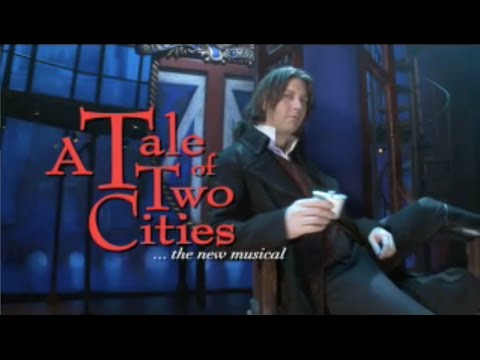
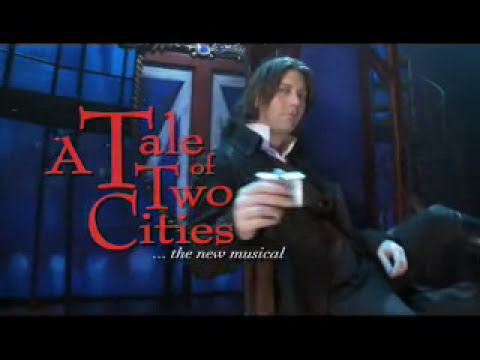
On Broadway (Al Hirschfeld Theatre, 2008), James Barbour’s tormented Sydney gave the music its anchor: introspective arias that bloom into defiant steel. Santoriello’s writing favors clear hooks and reprises that carry character decisions forward — “If Dreams Came True” refracts hope across rivals; “I Can’t Recall” turns self-loathing into vow. It’s a pop-operatic approach that invites big voices and bigger stakes.
Style map in phases — romantic ballad for private vows; folk/tavern swirl for the street’s appetite; oratorio-like ensembles for justice and judgment; driven reprises for memory and resolve. Translation: strings and lyric tenor = conscience; drum and hurdy textures = crowd will; choral weight = history closing in.
How It Was Made
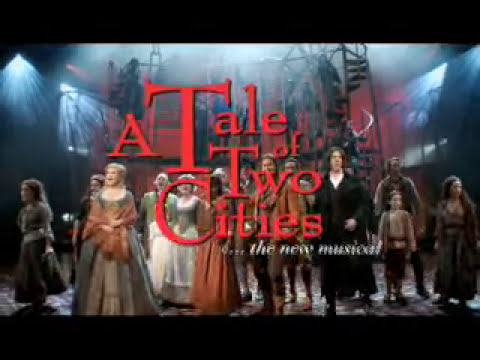
After a sold-out pre-Broadway tryout at Asolo Rep (Sarasota, 2007), the show opened on Broadway Sept. 18, 2008 and closed Nov. 9, 2008 (33 previews, 60 performances). Warren Carlyle directed and choreographed; James Barbour (Sydney), Brandi Burkhardt (Lucie), Aaron Lazar (Darnay), Natalie Toro (Madame Defarge), and Gregg Edelman (Dr. Manette) led the company. No Original Broadway Cast album was issued; the widely available listening document is the International Studio Cast Recording produced after Broadway, alongside a PBS “In Concert” filming from Brighton (2009) and an earlier 2002 concept album.
Licensing for productions is administered by Concord Theatricals (Samuel French catalogue). Score materials include revised numbers and cuts used during previews and later performances.
Tracks & Scenes
Below — signature numbers and where they land in the story. Titles reflect licensed materials and published selections; several items evolved during previews and later concert versions.
“Prologue: The Shadows of the Night”
- Where it plays:
- Opens on trauma remembered — Dr. Manette’s imprisonment history surfaces as Lucie searches for a father lost to time. The staging shifts from darkness to fragile reunion; the melody sets the show’s memory motif.
- Why it matters:
- Plants the central wound and the idea that love can call someone back to life — musically echoed all night.
“The Way It Ought to Be” (Paris)
- Where it plays:
- Madame and Ernest Defarge whip a wine-shop crowd into purpose. Fists on tables, chairs slam the beat; Paris finds its voice while the nobles sneer from offstage.
- Why it matters:
- Establishes the street’s point of view — not villainy, rage-as-logic. The groove returns whenever the crowd claims agency.
“You’ll Never Be Alone”
- Where it plays:
- Father–daughter quiet after Dr. Manette’s rescue. Lucie steadies him; he steadies her; the orchestration thins to strings and harp so the promise can land.
- Why it matters:
- Turns the plot’s rescue into an emotional thesis — care as revolution.
“No Honest Way”
- Where it plays:
- Carton, Barsad, and tavern scoundrels spar over legal angles and moral shortcuts. Tankards flash; the chorus laughs too hard; Carton drinks just to keep still.
- Why it matters:
- Shows Carton’s cynicism as practiced self-defense — a mask music keeps trying to pry off.
“The Trial”
- Where it plays:
- Old Bailey fireworks — Darnay stands accused and Carton watches his better self in another man’s face. Ensemble counterpoint stacks like testimony.
- Why it matters:
- Introduces the Carton/Darnay mirror; the law’s chorus becomes the crowd’s chorus later.
“Reflection” (Sydney Carton)
- Where it plays:
- Carton alone — bad habits, good heart, zero plan. The melody holds on one note too long, as if time stalls until he chooses who to be.
- Why it matters:
- First clear window into why this man might yet do something brave.
“I Can’t Recall” (Sydney Carton)
- Where it plays:
- Confessional to Lucie: love he can’t earn, a life he can’t mend. The room goes still; Carton sings like he’s rehearsing goodbye without admitting it.
- Why it matters:
- Seeds the ending — melody as promise kept later at the scaffold.
“If Dreams Came True” (Charles & Sydney)
- Where it plays:
- Two men imagine different futures with the same woman. Onstage, they occupy separate light but share harmony; neither yields the melody willingly.
- Why it matters:
- Turns rivalry into duet — empathy by stealth. The reprise later becomes Carton’s moral compass.
“Out of Sight, Out of Mind” (Madame Defarge)
- Where it plays:
- Madame catalogs wrongs and writes a death list with her needles. The accompaniment ticks like a loom; the crowd’s whisper thickens behind her.
- Why it matters:
- Villain or historian? The song lets both readings breathe — chilling and human.
“The Bluff” (Carton & Barsad)
- Where it plays:
- A chess match in a back room. Carton bullies a spy into cooperation; the rhythm sits on one pitch before dropping — the sound of a trap closing.
- Why it matters:
- Carton chooses action. From here, the score sheds self-pity for purpose.
“Let Her Be a Child”
- Where it plays:
- Carton with Little Lucie — borrowed fatherhood in the eye of the storm. Soft strings, almost a lullaby, and a silence afterward that hurts.
- Why it matters:
- Spells out his why — not grand rhetoric, just love.
“The Letter” → “Finale: I Can’t Recall”
- Where it plays:
- Carton’s confession to no one, then the walk toward the blade with the Seamstress. Orchestration drops away to let two voices carry the crowd’s hush.
- Why it matters:
- Closes the character arc the score keeps promising: a wasted life becomes an offered one.
Notes & Trivia
- James Barbour (Sydney) earned a Drama Desk nomination for the Broadway run; the show also received Outer Critics Circle recognition.
- Several numbers changed during previews: the opening prologue was reshaped; “Resurrection Man” was cut before opening; later concerts used small swaps.
- There’s no Broadway cast album — the main recording is the International Studio Cast (2015), with material aligned to Broadway versions.
- A PBS “In Concert” (Brighton, 2009) preserved much of the Broadway principal cast and remains the easiest way to see the staging style.
- Concord Theatricals licenses the Broadway version for professional and amateur productions.
Reception & Quotes
Critical response split sharply: some saw a mega-musical heir apparent; others heard too much echo of familiar formulas. Audiences in early weeks proved robust even as reviews sparred.
“Overwrought, under-nuanced and hopelessly derivative.” Variety
“Rousing and engaging… designed to be a crowd pleaser.” NY1 (pull-quote round-up)
“Workmanlike but uninspired… neither the best nor the worst of Broadway times.” NY Daily News (via round-up)
Recording availability today centers on the 29-track International Studio Cast (digital/streaming) and the 2009 In Concert video.
Interesting Facts
- One-author score: Santoriello wrote book, music, and lyrics — rare for a Broadway debut.
- Long road: Development spanned from a 1994 concert to a 2002 concept album to Broadway in 2008.
- PBS document: The Brighton concert aired nationally, helping the score find listeners after Broadway closed.
- Carton’s calling card: “I Can’t Recall” became the unofficial breakout aria for baritones on YouTube and in concerts.
- Licensing lift: Stock/amateur rights quickly followed, seeding regional and international revivals.
Technical Info
- Title: A Tale of Two Cities (Original Stage Musical)
- Year: 2008 (Broadway)
- Type: Musical — through-composed pop-opera style
- Composer/Lyricist/Book: Jill Santoriello
- Direction & Choreography (Broadway): Warren Carlyle
- Music direction/supervision: Kevin Stites (Broadway)
- Principal Broadway cast: James Barbour, Brandi Burkhardt, Aaron Lazar, Natalie Toro, Gregg Edelman
- Recordings: 2002 Concept Album; 2009 In Concert (PBS video); 2015 International Studio Cast Recording (Tale Productions) — digital
- Licensing: Concord Theatricals (Samuel French)
- Broadway run: Al Hirschfeld Theatre — previews from Aug 19, 2008; opened Sept 18; closed Nov 9 (33 previews, 60 performances)
Questions & Answers
- Is there an official Broadway cast album?
- No. The commonly streamed album is the 2015 International Studio Cast Recording; a 2002 concept album and a 2009 concert video also exist.
- Who created the score?
- Jill Santoriello — she wrote book, music, and lyrics.
- Which songs define Sydney Carton’s arc?
- “Reflection,” “I Can’t Recall,” and the “If Dreams Came True” duet/reprise bookend his turn from drift to sacrifice.
- Where can we license the show?
- Through Concord Theatricals (Broadway version), with full materials and revised numbers.
- Who starred on Broadway?
- James Barbour (Sydney), Brandi Burkhardt (Lucie), Aaron Lazar (Darnay), Natalie Toro (Madame Defarge), Gregg Edelman (Dr. Manette).
Key Contributors
| Entity | Relation | Notes |
|---|---|---|
| Jill Santoriello | wrote book, music, lyrics | Creator of the musical |
| Warren Carlyle | directed and choreographed (Broadway) | Shaped the show’s kinetic staging |
| James Barbour | played Sydney Carton | Drama Desk nominee for performance |
| Brandi Burkhardt | played Lucie Manette | Principal Broadway cast |
| Aaron Lazar | played Charles Darnay | Principal Broadway cast |
| Natalie Toro | played Madame Defarge | Principal Broadway cast |
| Gregg Edelman | played Dr. Alexandre Manette | Principal Broadway cast |
| Concord Theatricals | licenses Broadway version | Stock/amateur rights |
| Al Hirschfeld Theatre | Broadway venue | Opened Sept. 18, 2008 |
| Tale Productions | released studio cast recording | 2015 International Studio Cast (digital) |
Sources: IBDB (production record); Playbill vault & opening report; Concord Theatricals (licensing & synopsis); Wikipedia (musical numbers & history); Variety, Talkin’ Broadway, NY1/Daily News round-ups (reviews); Apple Music & Amazon (International Studio Cast details); Discogs (2002 concept album); PBS concert notes; BroadwayWorld/press features; YouTube Broadway TV spot.
November, 27th 2025
A-Z Lyrics Universe
Cynthia Erivo Popular
Ariana Grande Horsepower
Post Malone Ain't No Love in Oklahoma
Luke Combs Good Riddance (Time of Your Life)
Green Day Bye Bye Bye
*NSYNC You're the One That I Wan
John Travolta & Olivia Newton-John I Always Wanted a Brother
Braelyn Rankins, Theo Somolu, Kelvin Harrison Jr. and Aaron Pierre The Power of Love
Frankie Goes to Hollywood Beyond
Auli’i Cravalho feat. Rachel House MORE ›