
"Terminator: The Sarah Connor Chronicles" Soundtrack Lyrics
Movie • 2008
Track Listing
Shirley Manson
from 'Pilot'
from 'The Turk'
from 'Queen's Gambit'
from 'Queen's Gambit'
from 'Automatic for the People'
from 'Queen's Gambit' and 'The Demon Hand'
BrEndAn's Band
from 'Gnothi Seuton'
from 'The Demon Hand'
from 'Dungeons & Dragons'
from 'The Turk'
from 'Automatic for the People'
from 'What He Beheld'
from 'Vick's Chip'
from 'What He Beheld'
from 'Samson & Delilah'
from 'Samson & Delilah'
from 'Dungeons & Dragons'
from 'Dungeons & Dragons'
from 'Queen's Gambit'
from 'The Demon Hand'
"Terminator: The Sarah Connor Chronicles (Original Television Soundtrack)" – Album Guide to Tracks and Key Scenes
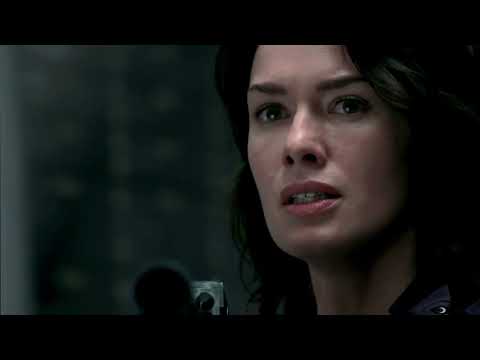
Overview
Can a TV score feel like stamped steel and still bleed? Bear McCreary’s music for Terminator: The Sarah Connor Chronicles says yes — welding oil-can percussion and electric string quartet to the franchise’s fatalist heartbeat. The album curates themes and set-piece cues from Season 1 and the opening stretch of Season 2, then punctures the armor with a bruised-gospel opener sung by Shirley Manson.
Story-wise, this show is the direct handoff from T2: Sarah and John run, a protector (Cameron) recalibrates, and fate won’t quit. The soundtrack mirrors that push-pull — human themes (Sarah’s duality; John’s searching motif) thread through machine rhythms. Fiedel’s iconic pattern glints in the titles, but the palette is McCreary’s: metallic drums, bowed electrics, low synths, and carefully rationed orchestra. It’s physical, modern, and, when the show turns elegiac, suddenly tender.
Genres & themes in phases — Industrial metal & found-percussion : inevitability, pursuit. Electric string quartet + synth : empathy inside pressure. Gospel/blues rock : moral ambiguity, pain transmuted into drive. Classical color (brief) : memory and aftermath.
How It Was Made
Composer Bear McCreary built a custom library of metal hits — oil cans, chains, anvils, brake drums — layered with live “metallic drums” and synth, then fused to an electric string quartet and rock rhythm section. Budget realities meant the classic Fiedel theme is quoted sparingly (mainly in the opening titles); the series leans on original motifs for Sarah, John, Derek, Ellison, and Catherine Weaver. McCreary also produced several diegetic/source pieces for episodes, blurring the line between song and score.
The album arrived via La-La Land Records in December 2008, produced by McCreary with engineer/producer Steve Kaplan. It spans highlight cues from S1 and the first two S2 episodes, including the full studio recording of Manson’s “Samson and Delilah.”
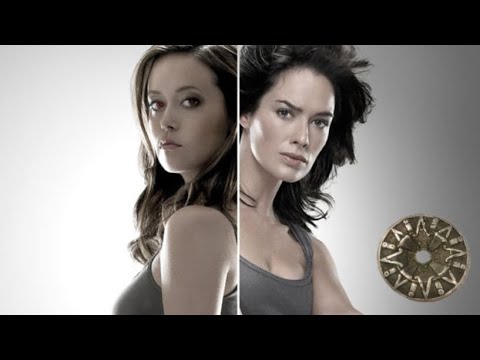
Tracks & Scenes
Episode references use on-screen titles; time placements are approximate within each episode’s runtime.
“The Man Comes Around” (Johnny Cash)
- Where it plays:
- Season 1 finale (“What He Beheld”) — the HRT massacre sequence builds in terrible calm before shattering into violence, and the song rides the cross-cut action into the final, stunned beats. Late in the episode; several minutes. Non-diegetic.
- Why it matters:
- Turns a terminator’s rampage into apocalyptic folk gospel — a moral X-ray of Ellison’s crisis and the show’s theology of fate.
“Samson and Delilah” (arr. Bear McCreary; performed by Shirley Manson)
- Where it plays:
- Season 2 premiere (“Samson & Delilah”) — cold-open aftermath: Cameron crawls from burning wreckage, stalks the Connors, and the track swells from ghostly verses to full rock/gospel catharsis. Opening minutes; ~5 minutes continuous. Non-diegetic song cut to picture.
- Why it matters:
- A deliberate sister-piece to the Cash needle-drop: myth, betrayal, and machine will — with Manson’s vocal tying character and score universe together.
“Ain’t We Famous” (BrEndAn’s Band)
- Where it plays:
- Season 2, “Automatic for the People” — a border-town bar. Cameron needs proximity to guards at the pool table; she selects this jukebox cut and plays “helpless” to break their formation while Sarah circulates. Mid-episode; a couple of minutes; diegetic.
- Why it matters:
- Source choice that’s character-aware: sexy, insistent, mission-useful — and written by Brendan McCreary, produced in parallel with the score.
“La Llorona” (trad.; arrangement/production by Bear McCreary; vocal John Avila)
- Where it plays:
- Season 2, “Mr. Ferguson Is Ill Today” — Día de los Muertos imagery frames Cromartie’s last stand in a Mexican church. The waltz emerges from dissonant strings as slow-motion bullets and moral ambiguity hang in the air. Final act; several minutes; non-diegetic vocal woven with score texture.
- Why it matters:
- A rare folk-inflected, mournful lens for a franchise execution scene: tragedy over triumph, and a sly quotation of Sarah’s theme under the last lyric.
“New Messiah” (Dead Heart Bloom)
- Where it plays:
- Season 2, “Today Is the Day, Part 2” (a.k.a. “The Last Voyage of the Jimmy Carter”) — used to underscore the episode’s closing movement, paralleling revelations aboard the submarine with the show’s mounting spiritual unease. Late episode; non-diegetic.
- Why it matters:
- One of the series’ few outside songs; the title underlines the savior burden pressing down on John.
“Donald Where’s Your Troosers?” (Andy Stewart; moody cover by Garret Dillahunt & Mackenzie Brooke Smith)
- Where it plays:
- Season 2, “Adam Raised a Cain” — a melancholic in-story rendition at episode’s end reframes a novelty tune as fragile character study. Closing scene; diegetic performance.
- Why it matters:
- Shows the series’ taste for unexpected, character-first music choices instead of wall-to-wall needle-drops.
Score highlights on album
- Where they play:
- “Sarah Connor’s Theme” (S1 “Pilot”) — mother/warrior duality over electrics. “Derek Reese” & “The Reese Boys” — family history collapsing in on itself. “Cromartie in the Hospital” — clinical dread. “Highway Battle” & “Andy Goode’s Turk” — propulsive machine-ostinati. The album also includes “Catherine Weaver” and the series “Opening Title” (with a nod to Fiedel’s motif).
- Why they matter:
- They’re the series’ spine: new character themes that carry the drama when budget limits keep the classic Terminator hook to the title card.
Other bar/source cuts in “Automatic for the People”
- Where they play:
- “Workin’ Man” (Doug and the Mystics) buzzes under a shorter bar beat; “Live Forever” (Bear & Brendan McCreary demo) punches a transition. Brief, diegetic; mid-episode.
- Why they matter:
- McCreary curated source music to serve plot mechanics — tempo and attitude as functional spy tools.
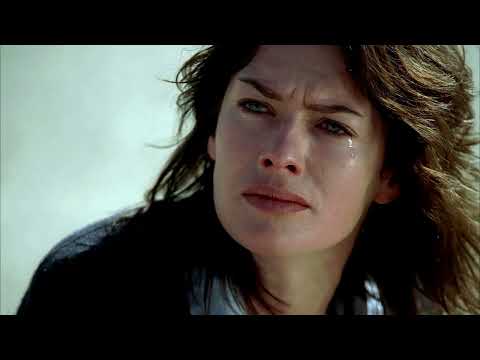
Notes & Trivia
- The album compiles S1 highlights plus music from the first two S2 episodes, including “Samson and Delilah.”
- Because of TV licensing/budget limits, Fiedel’s classic theme is mostly confined to the main titles; McCreary’s originals carry the episodes.
- “Atomic Al’s Merry Melody” is a tongue-in-cheek safety-video pastiche scored in classic cartoon style — then folded into the album.
- La-La Land’s CD booklet includes notes by McCreary, showrunner Josh Friedman, Thomas Dekker, and Shirley Manson.
Reception & Quotes
Critics generally praised the muscular palette and character themes; some noted repetition, a risk for any weekly genre score. Fans singled out the Cash/Manson needle-drop pairing and the mournful “La Llorona.”
“Largely its own creature rather than film mimicry… quantity and a higher-than-expected quality.” — Den of Geek
“Samson & Delilah” is a companion to the Cash finale — conceived to rhyme across seasons. — Label/press comments
Interesting Facts
- Found metal kit: Oil cans, chains, anvils, brake drums — performed live on top of electronics for every episode.
- Electric strings: The series’ signature quartet lets themes cut through dense percussion without sounding “orchestral big.”
- Singer in the cast: Shirley Manson (Catherine Weaver) tracked the premiere’s opener, then got her own enigmatic motif in the score.
- Folk waltz in a firefight: “La Llorona” plays against action in Mr. Ferguson Is Ill Today, tilting the scene tragic instead of triumphant.
- Source as tactic: Cameron’s jukebox pick (“Ain’t We Famous”) is written to help the mission, not just decorate the room.
Technical Info
- Title: Terminator: The Sarah Connor Chronicles (Original Television Soundtrack)
- Year: 2008 (CD release December 23, 2008)
- Type: Television score with select songs (studio & diegetic)
- Composer/Producer: Bear McCreary (album co-produced/engineered by Steve Kaplan)
- Key performers: Steve Bartek & Ira Ingber (guitars), John Avila (bass/vocal on “La Llorona”), Nate Wood (drums), M.B. Gordy (metal percussion), Chris Bleth (winds)
- Label: La-La Land Records (CD); streaming release available
- Signature placements: “The Man Comes Around” (S1 finale), “Samson and Delilah” (S2 opener), “La Llorona” (S2 Mexico set-piece), “New Messiah” (S2 late-season), “Donald Where’s Your Troosers?” (S2 closing performance)
- Availability: CD via La-La Land; album streams on major platforms
Questions & Answers
- Is this a movie soundtrack or a TV album?
- It’s a television soundtrack — music from Fox’s 2008–2009 series, compiled as an album.
- How much of the classic Terminator theme is used?
- It appears briefly in the opening titles; most episode cues are brand-new themes and textures.
- What’s the deal with the two big needle-drops?
- Season 1 closes with Johnny Cash’s “The Man Comes Around”; Season 2 opens with McCreary’s “Samson & Delilah” arrangement sung by Shirley Manson — intentionally paired across seasons.
- Are the bar songs on the album?
- Yes for “Ain’t We Famous” and “Atomic Al’s Merry Melody”; “Workin’ Man” and “Live Forever” are heard in-episode as source.
- Where can I hear it now?
- On streaming services under the full album title; physical CD was issued by La-La Land Records.
Key Contributors
| Subject | Relation | Object |
|---|---|---|
| Bear McCreary | composes/produces | Terminator: The Sarah Connor Chronicles score |
| Shirley Manson | performs | “Samson and Delilah” (Season 2 premiere); portrays Catherine Weaver |
| Josh Friedman | showruns & executive-produces | Series; contributes liner notes; greenlights “Samson and Delilah” concept |
| Steve Kaplan | engineers/co-produces | Album recording and mix |
| Brendan McCreary | writes/performs | “Ain’t We Famous” (jukebox scene) |
| La-La Land Records | releases | Original Television Soundtrack (CD, 2008) |
| Brad Fiedel | originates | Main film theme quoted in series titles |
| Warner Bros. Television | produces | Television series; album executives credited |
Sources: La-La Land Records album page; Spotify album listing; Wikipedia (series & soundtrack); Bear McCreary’s production blogs (“Samson and Delilah,” “Ain’t We Famous,” “La Llorona”); Discogs/MusicBrainz credits; Den of Geek review.
November, 27th 2025
A-Z Lyrics Universe
Cynthia Erivo Popular
Ariana Grande Horsepower
Post Malone Ain't No Love in Oklahoma
Luke Combs Good Riddance (Time of Your Life)
Green Day Bye Bye Bye
*NSYNC You're the One That I Wan
John Travolta & Olivia Newton-John I Always Wanted a Brother
Braelyn Rankins, Theo Somolu, Kelvin Harrison Jr. and Aaron Pierre The Power of Love
Frankie Goes to Hollywood Beyond
Auli’i Cravalho feat. Rachel House MORE ›