
"The Adventures Of Priscilla, Queen Of The Desert" Soundtrack Lyrics
Movie • 1994
Track Listing
Charlene
Village People
Paper Lace
White Plains
Bridges, Alicia
Richards, Trudy
Horne, Lena
Peaches & Herb
Page, Pattie
Peniston, Ce Ce
Greaves, R.B
Abba
Williams, Vanessa
Bridges, Alicia
Village People
Gaynor, Gloria
Peaches & Herb
Bridges, Alicia
"The Adventures of Priscilla, Queen of the Desert (Original Motion Picture Soundtrack, 1994)" – Album Guide to Tracks and Key Scenes
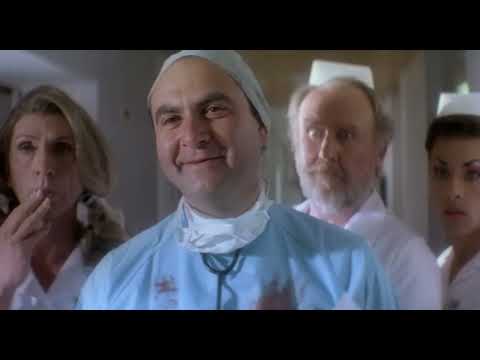
Overview
How does a jukebox of “camp classics” turn a dusty road movie into a glitter-cannon myth? By making every pit stop a stage and every setback a cue. Priscilla builds its heart out of lip-sync, bravado, and the radical normality of friendship—then lets disco do the healing.
Three performers—Tick/Mitzi, Felicia, and Bernadette—haul their costumes across Australia in a lavender bus, aiming for a casino gig in Alice Springs. The sourced soundtrack (Alicia Bridges, Gloria Gaynor, ABBA, Charlene, Village People, and more) interlocks with Guy Gross’s original score to give the film its pulse: defiance wrapped in sequins. Big needle-drops serve as punch lines, rallying cries, and olive branches; quieter cues (opera on a bus roof, choral pads over red rock) hold the movie’s ache.
Genres & themes in phases: post-disco anthems — chosen family and resilience; 70s pop schmaltz — irony as armor; Euro-pop (ABBA) — communal joy conquering snark; torch and standards — tenderness under drag steel; choral/orchestral score — awe for country and self. Translation: dancefloor beats = survival; diva ballads = confession; operatic pastiche = fantasy as lifeline.
How It Was Made
Writer-director Stephan Elliott conceived a jukebox-led road comedy and commissioned composer Guy Gross to stitch connective tissue between needle-drops. The production cleared a raft of iconic tracks and recorded two companion albums: the sourced hits compilation and a separate disc of Gross’s score and dialogue excerpts. The film’s famous drag set-pieces were choreographed to pre-cleared recordings, shooting for playback sync.
Licensing leaned on then-current and legacy mixes (e.g., extended 12″ versions), while Gross’s cues used small ensemble plus synths to sound big on a modest budget—choral layers blooming over outback vistas, sly stingers under barroom barbs.

Tracks & Scenes
Not a full tracklist—these are key placements (album and non-album) and how they play on screen.
“I’ve Never Been to Me” (Charlene)
- Where it plays:
- Opens the film as Tick/Mitzi performs in drag, the lyric’s melodrama undercut by wry staging. It frames the road ahead with a wink and a sigh; the number is mimed, spotlight tight, audience mixed between amused and indifferent.
- Why it matters:
- Establishes irony-as-shield and sets the movie’s camp/sincerity dial: high, but human.
“Go West” (Village People)
- Where it plays:
- Departing Sydney in the newly christened bus, the trio commits to the desert run. The cut functions as a diegetic/non-diegetic bridge—radio energy bleeding into montage as the city falls away.
- Why it matters:
- Textbook road-movie ignition: a chorus that literally points the route and promises reinvention.
“I Love the Nightlife (Disco ’Round)” (Alicia Bridges)
- Where it plays:
- Broken Hill bar blowout. In full drag, our trio flips a hostile pub: slick sync, improvised crowd work, and a dance ripple that briefly disarms the room. It reads diegetic—on their portable act’s sound system—with cutaways to wary locals thawing.
- Why it matters:
- First proof the show can change weather—joy as counter-programming to abuse.
“Finally (7 Choice Mix)” (CeCe Peniston)
- Where it plays:
- Lasseters Hotel Casino stage in Alice Springs. Full-feather spectacle: choreo hits, costume reveals, and sync so sharp even the skeptics grin. Cameras stay wide to drink in the crowd-turning wave.
- Why it matters:
- Career win and community moment—glamour not as escape but arrival.
“I Will Survive” (Gloria Gaynor)
- Where it plays:
- After the bus breaks down, the trio are welcomed at an Aboriginal camp; the queens perform in full regalia and the community joins the groove. A diegetic performance that blooms into shared dancing beneath night sky.
- Why it matters:
- Bridge-building through pop—mutual joy demolishes distance, no sermon required.
“Mamma Mia” (ABBA)
- Where it plays:
- Late-film burst—lip-sync on the move and in show mode, signaling loosened hearts and, yes, group cohesion. Often associated with a “leaving Alice Springs” beat and onstage reprises.
- Why it matters:
- ABBA as pure communal fuel; the hook binds characters and audience in one big camp chorus.
“Shake Your Groove Thing” (Peaches & Herb)
- Where it plays:
- One of several party-starter cues during on-the-road shows and casino sequences; brisk cuts and mirrorball lighting mark it as diegetic stage business.
- Why it matters:
- Runway for Felicia’s peacocking; keeps the set moving between narrative hinges.
“Save the Best for Last” (Vanessa Williams)
- Where it plays:
- End credits coda—drag-in-a-barbershop-chair lip-sync, a slyly sentimental curtain call after the outback odyssey.
- Why it matters:
- Lets the film land soft—after fireworks, a friendly wave.
Opera & Score: Verdi’s “Sempre libera” / Guy Gross cues
- Where it plays:
- Post-vandalism reset: Felicia astride the bus roof, silver banner unfurling, miming Violetta as the outback rushes by. Elsewhere, Gross’s choral textures (“The Climb,” “Outback Awe”) underline big-country awe and private resolve.
- Why it matters:
- Operatic fantasy as resilience toolkit; score gives space for breath between needle-drops.
Also heard (notable/not always on primary OST):
- “Billy, Don’t Be a Hero” (Paper Lace) — snarky-radio flavor in travel beats.
- “A Fine Romance” (Lena Horne) — vintage polish, often tied to memory-flash finesse.
- “I Don’t Care If the Sun Don’t Shine” (Patti Page) — cheeky needle-drop under small-town textures.
- “Super Freak” (Rick James) — brief bar-ambience sting reported in some regional cuts/listings.
Notes & Trivia
- Two companion albums exist: a sourced-hits compilation and a separate release of Guy Gross’s score plus dialogue.
- ABBA’s “Mamma Mia” anchors late-film joy; the creative team weighed Kylie Minogue for the finale before leaning ABBA for timeless camp bite.
- The casino showstopper uses the CeCe Peniston remix the film’s choreo was timed to, preserving the on-set playback vibe on album.
- Some releases include multiple mixes of “I Love the Nightlife,” mirroring how the cue works across scenes and trailers.
Reception & Quotes
Critics embraced the film’s warmth and showmanship; the soundtrack became the fan-remembered spine. The movie won the Oscar for Costume Design; the music choices helped those costumes play like characters.
“Wonderful pacing and comic timing… not a moment is wasted.” Roger Ebert
“Outrageous and disarming in equal measure.” Variety
“Tender and thoughtful beneath the sequins.” Aggregated critical consensus
Availability: original 1994 CD (Mother/Fontana/PolyGram), later reissues, and streaming on major platforms worldwide; the separate score album is also available.
Interesting Facts
- Bus as bandstand: Several musical beats happen on Priscilla’s roof, turning landscape into set.
- Choral shimmer: Gross’s score uses small forces layered into wide sound to match the outback’s scale.
- Mixes matter: Extended 12″ versions appear on some editions, echoing club lineage and choreography counts.
- Community cameo: The “I Will Survive” camp dance doubles as a trust exercise between cultures.
- From film to stage: The musical adaptation keeps many cues (and adds others like “It’s Raining Men”).
Technical Info
- Title: The Adventures of Priscilla, Queen of the Desert — Original Motion Picture Soundtrack
- Year: 1994 (film & album)
- Type: Film soundtrack (sourced songs) + separate original score album
- Composer (score): Guy Gross
- Key songs featured: “I’ve Never Been to Me,” “Go West,” “I Love the Nightlife,” “Finally,” “I Will Survive,” “Mamma Mia,” “A Fine Romance,” “Shake Your Groove Thing,” “Save the Best for Last”
- Label/Release: Mother/Fontana/PolyGram (compilation); Polydor/Mushroom for score (Australia)
- Notable placements: Casino showcase (“Finally”); Aboriginal camp performance (“I Will Survive”); bus-roof opera (Verdi); opening drag set (“I’ve Never Been to Me”).
- Context: Cannes 1994 selection; Oscar-winner for Costume Design; enduring queer road-movie classic.
- Editions/Availability: Multiple CD pressings; digital/streaming; regional track-order variations exist.
Questions & Answers
- Is this a “score album” or a “songs album”?
- Both exist: a hits compilation of sourced tracks and a separate release of Guy Gross’s original score with dialogue.
- Which scene defines the soundtrack’s spirit?
- “I Will Survive” at the Aboriginal camp—shared dance turns strangers into audience and co-performers.
- What’s the opener?
- Tick/Mitzi lip-syncs “I’ve Never Been to Me,” setting the movie’s camp-sincere tone from the first frames.
- Does the film use ABBA?
- Yes—“Mamma Mia” appears prominently late in the story and in performance contexts.
- Can I stream the album today?
- Yes; the compilation is on major services, and the score album is also available in digital catalogs.
Key Contributors
| Subject | Relation | Object |
|---|---|---|
| Stephan Elliott | wrote & directed | The Adventures of Priscilla, Queen of the Desert (1994) |
| Guy Gross | composed score for | Priscilla (1994) |
| Alicia Bridges | performs | “I Love the Nightlife (Disco ’Round)” (featured in film) |
| Gloria Gaynor | performs | “I Will Survive” (featured in film) |
| ABBA | performs | “Mamma Mia” (featured in film) |
| CeCe Peniston | performs | “Finally” (featured in film) |
| Charlene | performs | “I’ve Never Been to Me” (opening lip-sync) |
| Mother / Fontana / PolyGram | released | Original soundtrack compilation (1994) |
| Polydor / Mushroom | released | Original score album by Guy Gross (1994) |
| Lasseters Hotel Casino (Alice Springs) | hosts | On-screen gig where “Finally” is performed |
Sources: Wikipedia (EN/FR); NFSA & Australian Screen; Discogs; Spotify; Roger Ebert; Variety; Guardian features/reviews; Box Office Mojo credits.
November, 27th 2025
A-Z Lyrics Universe
Cynthia Erivo Popular
Ariana Grande Horsepower
Post Malone Ain't No Love in Oklahoma
Luke Combs Good Riddance (Time of Your Life)
Green Day Bye Bye Bye
*NSYNC You're the One That I Wan
John Travolta & Olivia Newton-John I Always Wanted a Brother
Braelyn Rankins, Theo Somolu, Kelvin Harrison Jr. and Aaron Pierre The Power of Love
Frankie Goes to Hollywood Beyond
Auli’i Cravalho feat. Rachel House MORE ›