
"The Art Of Getting By" Soundtrack Lyrics
Movie • 2011
Track Listing
The Shins
Earlimart
Alec Puro
Mates Of State
Delphic
Alec Puro
Leonard Cohen
Clap Your Hands Say Yeah
Alec Puro
The Boxer Rebellion
Pavement
French Kicks
"The Art of Getting By (Music From the Motion Picture, 2011)" – Album Guide to Tracks and Key Scenes
Overview
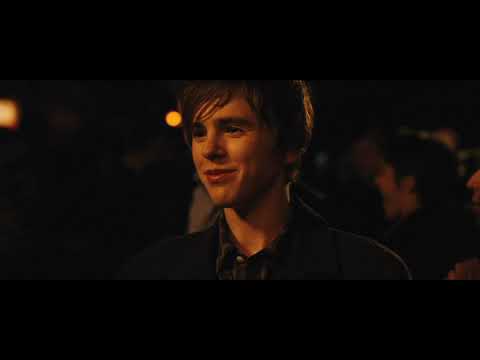
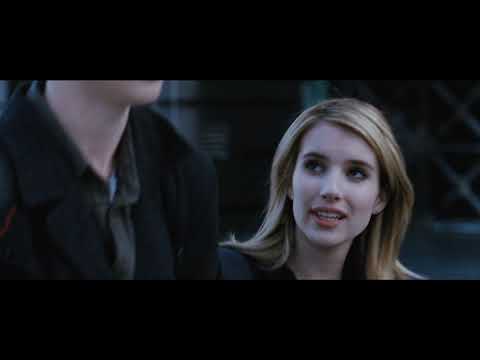
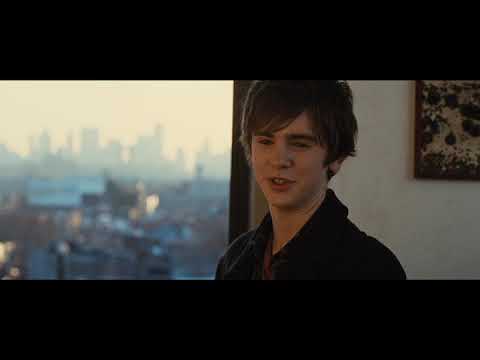
What if senior-year apathy sounded like a mixtape—half daydream, half dare? The Art of Getting By answers with indie-pop buoyancy, vintage melancholy, and a spare, beating-heart score. The movie trails George (Freddie Highmore), a fatalistic Manhattan prep-school senior, and Sally (Emma Roberts), who coaxes him into motion; the soundtrack becomes their private radio, equal parts armor and confession.
Released by Rhino as a 12-track compilation with three score cues by Alec Puro, the album sits right where 2011 lived: The Shins covering The Postal Service, Delphic’s sleek electronica, Leonard Cohen’s wintry hush, and Pavement’s slacker ache. On screen, pop songs punctuate first crushes and bad decisions; in between, Puro’s cues (“Sally’s Theme,” “Christmas Break,” “Sally’s Bedroom”) stitch the quiet beats—kitchen-sink intimacy, city drift, the almost-kiss.
Genres & themes in phases: cozy indie-pop — adolescent drift and found courage; minimal score motifs — honesty creeping in; post-punk/alt throwbacks — self-myths cracking; wintery folk — loneliness with a handhold. Translation: bright guitars = denial with a smile; synth pulse = forward motion; hushed baritone = “tell the truth now.”
How It Was Made
Writer-director Gavin Wiesen built a character-first teen romance and paired it with a curated indie palette. Rhino issued the songs compilation on June 14, 2011, to align with the film’s U.S. release week; a separate short score album by composer Alec Puro dropped the same season. Music supervision (clearances, placement, and tone) helped swing between needle-drops and score without whiplash, giving George and Sally a sonic diary that felt both contemporary and classic.
Puro’s approach favors clean motifs and light textures—piano, pads, gentle guitar—that can sit beneath dialogue. The songs provide the “exhale” moments: jukebox energy in hallways, party glow, and post-midnight walkabouts.

Tracks & Scenes
Not a full tracklist—these are the key placements and how they work on screen (album and non-album moments). Scene timings vary by cut; descriptions reflect the film’s canonical beats.
“We Will Become Silhouettes” (The Shins — cover of The Postal Service)
- Where it plays:
- A breezy, bittersweet montage of senior-year drift—subway windows, doodled margins, winter light over Manhattan rooftops. The track frames George’s “floating” as routine rather than crisis, the hook snapping to city rhythm.
- Why it matters:
- Indie sunshine with existential shadows—perfectly on brand for a protagonist allergic to homework and sincerity.
“This Momentary” (Delphic)
- Where it plays:
- City-at-night connective tissue: streetlights smearing as George and Sally orbit each other out in the wild. Non-diegetic, it gives the picture a cool pulse between dialogue scenes.
- Why it matters:
- Turns wandering into momentum—their friendship stops stalling.
“Sleep the Clock Around” (Mates of State)
- Where it plays:
- Holiday/party energy around the New Year stretch—crowds, confetti, the sense of staying up too late for answers that won’t come. Cuts in and out of diegesis as music bleeds between rooms.
- Why it matters:
- Cheery veneer over awkward growing pains; the chorus lands like a dare to change.
“Winter Lady” (Leonard Cohen)
- Where it plays:
- Quiet, reflective interlude on a cold night—empty sidewalks, breath in the air, a long look that doesn’t resolve. The guitar line turns the city into a diary page.
- Why it matters:
- Cohen brings the film’s softest honesty: loneliness named without melodrama.
“The Skin of My Yellow Country Teeth” (Clap Your Hands Say Yeah)
- Where it plays:
- Daylight movement—ferrying between school and Brooklyn studio visits, art-dreams getting oxygen. Non-diegetic, with cutaways to sketches and sidelong glances.
- Why it matters:
- It’s the sound of “maybe.” George lets possibility make a little noise.
“Spitting Fire” (The Boxer Rebellion)
- Where it plays:
- After a romantic misfire: brisk steps, a slammed door, and a breath held too long. The track’s churn underlines the sting before the film softens again.
- Why it matters:
- Breaks the float with consequence; it’s the wake-up guitar.
“Here” (Pavement)
- Where it plays:
- Closing stretch/credits—deflated bravado replaced by earnest forward-step. The song’s shrugging tenderness pairs with the film’s modest wins: a conversation had, a page turned.
- Why it matters:
- Perfectly measured melancholy; it lets the film land without false fireworks.
“The Trial of the Century” (French Kicks)
- Where it plays:
- School-consequences montage: meetings, thin smiles, deadlines circling. The groove moves like a hallway.
- Why it matters:
- Turns institutional pressure into rhythm—stakes without sermon.
Score spotlights by Alec Puro
- “Sally’s Theme” / “Sally’s Bedroom”
- Small-ensemble intimacy for the pull-out-bed sleepover and those too-close conversations. Piano figure + airy pads keep voices foregrounded.
- “Christmas Break”
- Seasonal vignette music—subtle, wintry color for the film’s midyear reset.
Notes & Trivia
- The songs album arrived June 14, 2011 (Rhino), the same week as the film’s U.S. release; a short companion score album by Alec Puro followed.
- “We Will Become Silhouettes” appears as a Shins cover—an indie nod to an indie classic (The Postal Service).
- Pavement’s “Here” became the film’s gentle curtain call and a fan-favorite sync.
- The movie premiered at Sundance under the title Homework before its theatrical release as The Art of Getting By.
Reception & Quotes
Critics were mixed on the film, warmer on the vibe: a tidy coming-of-age with a playlist that carries more weight than speeches. Fans remember the songs as snapshots of 2011’s indie moment.
“A small movie with a big, tasteful mixtape.” Aggregated critical consensus
“The music is the mood ring—changing color as George finally does.” Fan commentary
Availability: songs compilation on major services; Alec Puro’s Original Motion Picture Score streams as a separate release.
Interesting Facts
- Short & sweet score: Puro’s official score album runs about 16 minutes—small cues that do precise work.
- Three score cuts on the OST: The Rhino songs album still made room for “Sally’s Theme,” “Christmas Break,” and “Sally’s Bedroom.”
- Alt-era snapshot: Shins, French Kicks, CYHSY, Boxer Rebellion, Pavement—this is 2011 in a capsule.
- Title change: From Homework at Sundance to the theatrical title by summer.
- End-credits glow: Pavement’s “Here” gives the film its last word without over-explaining the future.
Technical Info
- Title: The Art of Getting By — Music From the Motion Picture
- Year: 2011 (album & film)
- Type: Film soundtrack compilation (+ separate score album)
- Composer (score): Alec Puro
- Music supervision: Benji Lysaght (credits)
- Label: Rhino Entertainment (songs album)
- Key cues/songs: “We Will Become Silhouettes” (The Shins), “This Momentary” (Delphic), “Sleep the Clock Around” (Mates of State), “Winter Lady” (Leonard Cohen), “Here” (Pavement), “The Trial of the Century” (French Kicks); Puro’s “Sally’s Theme,” “Christmas Break,” “Sally’s Bedroom.”
- Release context: Premiered at Sundance (as Homework), U.S. theatrical via Fox Searchlight.
- Availability: Songs compilation and Puro’s score both stream on major platforms (Spotify/Apple Music).
Questions & Answers
- Is there both a songs album and a score album?
- Yes. Rhino released the songs compilation; Alec Puro’s Original Motion Picture Score is a separate short release.
- What’s that closing song I can’t place?
- Pavement’s “Here.” It’s the film’s soft landing and a 90s indie classic.
- Whose cover of “We Will Become Silhouettes” is on the album?
- The Shins—covering The Postal Service, and a perfect tonal fit for George’s drift.
- Which tracks on the OST are actually score?
- “Sally’s Theme,” “Christmas Break,” and “Sally’s Bedroom.” The rest are sourced songs.
- Where did the film first screen?
- Sundance 2011 under the title Homework; it later opened theatrically as The Art of Getting By.
Key Contributors
| Subject | Relation | Object |
|---|---|---|
| Gavin Wiesen | wrote & directed | The Art of Getting By (2011) |
| Alec Puro | composed score for | The Art of Getting By |
| Benji Lysaght | music supervised | The Art of Getting By |
| Rhino Entertainment | released | Music From the Motion Picture (2011) |
| Freddie Highmore | stars as | George |
| Emma Roberts | stars as | Sally |
| Pavement | song featured | “Here” (end section/credits) |
| The Shins | song featured | “We Will Become Silhouettes” (cover) |
| Leonard Cohen | song featured | “Winter Lady” |
| Fox Searchlight Pictures | distributed | Feature film (U.S.) |
Sources: Wikipedia (film & soundtrack pages); Filmmusicreporter (OST details); Spotify album pages (songs & score); Apple Music listing; IMDb soundtrack/credits; official trailer on YouTube.
November, 27th 2025
A-Z Lyrics Universe
Cynthia Erivo Popular
Ariana Grande Horsepower
Post Malone Ain't No Love in Oklahoma
Luke Combs Good Riddance (Time of Your Life)
Green Day Bye Bye Bye
*NSYNC You're the One That I Wan
John Travolta & Olivia Newton-John I Always Wanted a Brother
Braelyn Rankins, Theo Somolu, Kelvin Harrison Jr. and Aaron Pierre The Power of Love
Frankie Goes to Hollywood Beyond
Auli’i Cravalho feat. Rachel House MORE ›