
"The Brass Teapot" Soundtrack Lyrics
Movie • 2013
Track Listing
Darker My Love
Css
The Amoeba People
The Amoeba People
Karma Stewart
Joe Strummer & The Mescaleros
Mount Auburn
The Amoeba People
The Amoeba People
Lindsay Jones
Lindsay Jones
The Gray Kid
Beck
The Amoeba People
The Amoeba People
Studio Musicians
ApSci
Lindsay Jones
Thumb Wars
El Presidente
Oliver Future
Jan Steele
Sixteen Horsepower
The Avett Brothers
Lindsay Jones
Amoeba People feat. Kirsty Esquibel
Edward Sharpe and The Magnetic Zeros
"The Brass Teapot (Original Motion Picture Soundtrack – EP)" – Album Guide to Tracks and Key Scenes
Overview
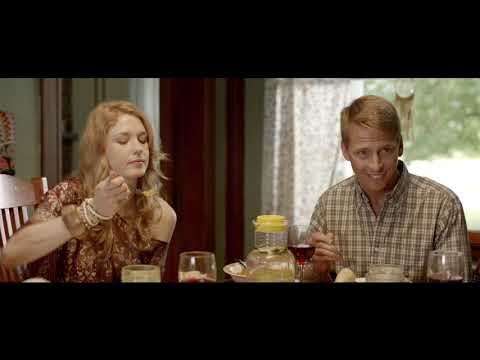
What price would you put on a bruise — or on a relationship? The Brass Teapot answers with a wicked grin: “Whatever the market will bear.” The film follows Alice and John, a sweet, broke couple who discover a mystical teapot that spits out cash whenever pain is inflicted. The soundtrack leans into that moral seesaw — buoyant indie bangers ricochet off jittery score cues as the couple’s ethics wobble, then buckle.
This is a hybrid palette: sharp, stylish needle-drops (“City Grrl,” “Timebomb,” “Two Ways Out”) collide with a puckish original EP by The Amoeba People and a nimble score by Andrew Hewitt. Songs often frame Alice’s impulsive highs and John’s anxious scruples; the music keeps flashing “fun” even as the bruise count climbs, which is exactly the point.
Genres & themes evolve in phases. Early indie/garage (indie grit — vulnerability) ushers in their first “cash for pain” discoveries. Electro-pop and blog-era rock (90s/00s alt swagger — attitude) fuel spree sequences and social one-upmanship. When consequences bite, folk/Americana turns (“Die Die Die,” 16 Horsepower’s “Haw” — conscience vs. temptation) cool the temperature, while Hewitt’s chamber-ish score (classical sheen — surface polish vs. inner mess) tightens the screws in the final act.
How It Was Made
Composer Andrew Hewitt anchors the film with a brisk, melodic score recorded with the Composers Ensemble and shaped by a small music team (music editor Nick Taylor among them). Music supervision steered by Linda Cohen stitches together blog-era indie, electro-pop, alt-folk, and a bespoke five-track EP from The Amoeba People (featuring vocalist Kirsty Esquibel). Editorially, cues ping-pong between diegetic joke beats (ahem, “Spank Me”) and non-diegetic momentum — a conscious “sugar rush” approach to underline how quickly easy money sweetens bad choices.

Tracks & Scenes
Note: Timecodes vary slightly across editions (festival, theatrical, and digital), but the placements below reflect how the songs function on screen.
“Two Ways Out” (Darker My Love)
- Where it plays:
- A brisk, jangly cut used early to set the couple’s small-town rhythm — Alice’s hustling energy vs. John’s stalled telemarketing grind. Non-diegetic; it bridges an out-of-cash morning into the fateful detour past the antique store.
- Why it matters:
- The title’s fork-in-the-road vibe foreshadows their choice: suffer decently… or suffer profitably.
“City Grrl” (CSS feat. Ssion)
- Where it plays:
- Makeover mania. As the teapot starts paying, Alice tests new clothes and new swagger; neon pop slices through quick cuts of shopping bags, hair, and smug smiles. Non-diegetic over a consumerist montage.
- Why it matters:
- It’s the sound of identity inflation — the rush that turns “We need this” into “We deserve everything.”
“Timebomb” (Beck)
- Where it plays:
- Fast-cut escalation once they realize more pain = more cash. Non-diegetic over slapstick-meets-winces: ice packs, improvised stunts, and nervous laughter that’s a little too loud.
- Why it matters:
- The lyric’s fuse-lit tension mirrors a moral timer counting down.
“Get What I Want” (El Presidente)
- Where it plays:
- Confidence montage as Alice leans into schemes — charming gatekeepers, bending rules, enjoying the new power dynamic. Mostly non-diegetic with quick diegetic bleed as a door opens on a loud speaker.
- Why it matters:
- Cheeky, on-the-nose wish-fulfillment — and the start of mission creep.
“Man on Fire” (Edward Sharpe & The Magnetic Zeros)
- Where it plays:
- A reflective breather after a particularly reckless stretch; warm, communal vibes over the couple’s quiet come-down drive. Non-diegetic, almost like their memory of a festival sing-along cutting through guilt.
- Why it matters:
- The optimism reads as earned in the moment — and slightly delusional in hindsight.
“Die Die Die” (The Avett Brothers)
- Where it plays:
- Dark-comic undercurrent during the “we’ve gone too far” realization — a scene that juxtaposes cheerful melody with queasy stakes. Non-diegetic needle-drop punctuating a moral low.
- Why it matters:
- Sunny acoustic veneer + ominous refrain = the exact dissonance the film thrives on.
“Haw” (16 Horsepower)
- Where it plays:
- Dusty Americana colors a late-night sequence as paranoia creeps in. Non-diegetic, with the sound design leaving extra space for the lyric bite.
- Why it matters:
- Plants the story’s frontier-fable DNA — every bargain with a trickster has a cost.
“Under Control” (Apsci)
- Where it plays:
- Clubby texture over a party/peer-pressure beat where Alice tries to play cool. Diegetic at first (source speakers), then rides the cut as a transitional track.
- Why it matters:
- Title as irony. Nothing’s “under control.”
“Volcano” (Thumb Wars)
- Where it plays:
- Brief, playful needle-drop in a mid-film hangout sequence; the teapot is literally out of frame, but its heat hangs in the air. Non-diegetic.
- Why it matters:
- Comic word-paint: pressure building, lava imminent.
“Gold Sparrow” (Oliver Future)
- Where it plays:
- Warm indie gloss over a “look what we can buy now” beat — a montage of social approval and curated selfies. Non-diegetic.
- Why it matters:
- Pretty plumage, hollow nest.
“Guajira Guapa” (Jan Steele)
- Where it plays:
- A light Latin-tinged source cue in a public space (café/restaurant background) that the edit briefly spotlights as the couple strategizes. Diegetic.
- Why it matters:
- Worldly flavor that momentarily distances them from the small-town grind they’ve outgrown — or think they have.
“Make It” (Mount Auburn)
- Where it plays:
- Quick-cut hustle; they’re chasing opportunities and rationalizations in equal measure. Non-diegetic, brief but sticky.
- Why it matters:
- Motivational mantra turned justification.
“I Fought the Law” (The Strummers)
- Where it plays:
- A wink of a cover needle-drop skirting a confrontation beat. Diegetic bar/PA, heard as John’s temper flares.
- Why it matters:
- Because the law — and fate — eventually fight back.
“Spank Me” (Lindsay Jones)
- Where it plays:
- A comic, very on-brand cue synced to the infamous “pain for profit” experiment; short, punchline timing. Diegetic-feeling because of the scene’s staging, but mixed as score.
- Why it matters:
- Proof the movie can go broad without losing its sting.
“Lovely, Dark and Warm” (The Amoeba People feat. Kirsty Esquibel)
- Where it plays:
- A gentle, dream-pop layer used as a palate cleanser; it often functions like a lullaby after chaos. Non-diegetic.
- Why it matters:
- Part of the film’s bespoke EP — the song’s hush sells the illusion that everything might still be okay.
“Preposterously Familiar Meadowlark” (The Amoeba People)
- Where it plays:
- Quirky interstitial cue — the film’s oddball humor distilled into a two-minute grin. Non-diegetic.
- Why it matters:
- One foot in cartoon, one in cautionary tale.
Notes & Trivia
- The original score is by Andrew Hewitt, with small-team assists and classical textures recorded with chamber players.
- Music supervision leaned heavily on indie/alt licensing, with Linda Cohen credited for the film’s curated song choices.
- The film also leveraged an in-universe-feeling EP (The Amoeba People) that matches the movie’s sardonic tone.
- Festival, theatrical, and later digital releases preserve the same recognizable needle-drops; minor timing differences exist between cuts.
- There’s a separate stage musical in development years later — a fun echo of how integral music is to this IP.
Reception & Quotes
Critics were mixed, but many singled out the movie’s “greed fable” energy — and the poppy soundtrack that keeps the tone spry even as the bruises pile up.
“A fresh riff on ‘be careful what you wish for’ fables.” — Variety
“Equal parts dark and comically disturbing… a fantasy parable for our times.” — Movie Nation
“Attempts to be a modern fable about greed.” — The Hollywood Reporter
Availability: the five-track Original Motion Picture Soundtrack – EP (The Amoeba People) is available on major services; the film’s licensed songs appear across artist albums/playlists.
Interesting Facts
- Lean budget, big sound: A compact score team and carefully chosen licensed tracks create a bigger-than-indie feel.
- EP, not full album: The official release is a concise five-song EP; most needle-drops live on artist records.
- Montage science: Several songs are cut for punch-line timing — the music lands exactly where the money does.
- Trailer hunt: Multiple official trailers circulate online; thumbnails differ, but the core cut (and tonal music bed) is consistent.
- From screen to stage: The property later spawned a musical theater development path — fitting for a music-forward premise.
Technical Info
- Title: The Brass Teapot
- Year: 2013 (U.S. release; TIFF premiere 2012)
- Type: Feature film (fantasy comedy); soundtrack release is a 5-track EP
- Composers: Andrew Hewitt (score); The Amoeba People (EP tracks)
- Music supervision: Linda Cohen
- Selected notable placements: “Two Ways Out” (Darker My Love); “City Grrl” (CSS feat. Ssion); “Timebomb” (Beck); “Get What I Want” (El Presidente); “Man on Fire” (Edward Sharpe & The Magnetic Zeros); “Die Die Die” (The Avett Brothers); “Haw” (16 Horsepower); “Under Control” (Apsci)
- Release context: Premiered September 8, 2012 (TIFF); U.S. limited theatrical/VOD April 5, 2013
- Label/album status: The Brass Teapot (Original Motion Picture Soundtrack) – EP by The Amoeba People (5 tracks, 2015); score cues not issued as a standalone album
- Availability: EP on major digital services; individual licensed tracks on artist albums/streaming
- Trailer Video ID: g30KBZ4m61Y (first widely circulated “Official Trailer #1”)
Questions & Answers
- Is there a full score album?
- No official full-length score album has been released; the official release is a five-track EP by The Amoeba People, while licensed songs live on artist records.
- Who handled music supervision?
- Linda Cohen is credited as Music Supervisor; her curatorial choices help define the film’s tonal flip-flops.
- What song plays over the make-it-rain montages?
- High-energy drops like Beck’s “Timebomb” and CSS’s “City Grrl” drive early shopping/spree sequences; exact placements vary slightly by edition.
- Is the EP used in the movie or just “inspired by”?
- It’s used in the film — The Amoeba People’s tracks (with Kirsty Esquibel on “Lovely, Dark and Warm”) appear on screen as tone pieces.
- Does the trailer music appear in the film?
- The trailer pulls from the same palette and tone as the feature; trailers also mix library cues, so not every trailer cue appears in-film.
Key Contributors
| Entity | Role / Relation |
|---|---|
| Andrew Hewitt | Composer — scored the film; conducted/orchestrated |
| Linda Cohen | Music Supervisor — licensed/curated songs |
| The Amoeba People (feat. Kirsty Esquibel) | Artists — performed 5-track EP used in the film |
| Darker My Love | Artist — “Two Ways Out” placement |
| CSS feat. Ssion | Artists — “City Grrl” placement |
| Beck | Artist — “Timebomb” placement |
| El Presidente | Artist — “Get What I Want” placement |
| Edward Sharpe & The Magnetic Zeros | Artists — “Man on Fire” placement |
| The Avett Brothers | Artists — “Die Die Die” placement |
| 16 Horsepower | Artist — “Haw” placement |
| Apsci | Artist — “Under Control” placement |
| Ramaa Mosley | Director — co-created property; set musical tone |
| Magnolia Pictures | Distributor — U.S. release April 5, 2013 |
| TIFF (Toronto International Film Festival) | Venue — World premiere September 8, 2012 |
Sources: Variety; The Hollywood Reporter; Rotten Tomatoes; Magnolia Pictures notes; The Numbers; TCM; Soundtrakd; Spotify; Apple Music; Wikipedia; Bandcamp; IMDb (soundtrack listings & credits).
November, 28th 2025
'The Brass Teapot': Internet Movie Database, WikipediaA-Z Lyrics Universe
Cynthia Erivo Popular
Ariana Grande Horsepower
Post Malone Ain't No Love in Oklahoma
Luke Combs Good Riddance (Time of Your Life)
Green Day Bye Bye Bye
*NSYNC You're the One That I Wan
John Travolta & Olivia Newton-John I Always Wanted a Brother
Braelyn Rankins, Theo Somolu, Kelvin Harrison Jr. and Aaron Pierre The Power of Love
Frankie Goes to Hollywood Beyond
Auli’i Cravalho feat. Rachel House MORE ›