
"The Brothers Solomon" Soundtrack Lyrics
Movie • 2007
Track Listing
The Flaming Lips
The Magic Numbers
John Parr
Ann Wilson / Mike Reno
Fastball
Proof Apartment
"The Brothers Solomon (Original Motion Picture Soundtrack)" – Album Guide to Tracks and Key Scenes
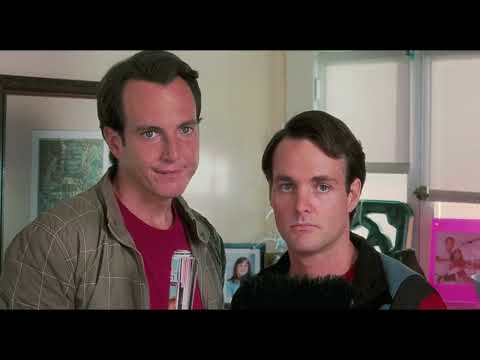
Overview
What happens when a movie about two loveably clueless brothers scores like a victory lap but looks like a pratfall? You get The Brothers Solomon — a sincere-silly oddball that wears its soundtrack like a foam finger.
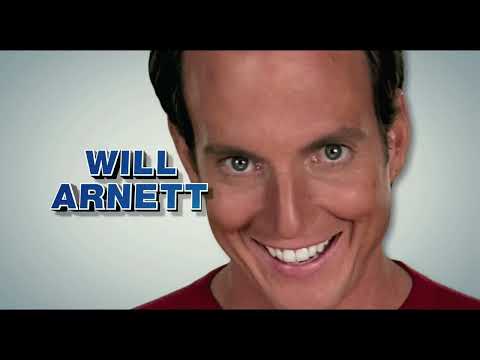
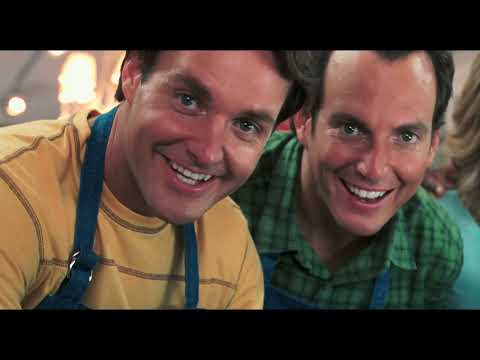
Bob Odenkirk’s film follows John and Dean (Will Arnett and Will Forte), home-schooled romantics who sprint toward parenthood to wake their comatose dad’s heart. The music blasts optimism at every speed bump: blog-era indie anthems, neon power ballads, and John Swihart’s cartoony-sweet score cues. The opening barrels in with The Flaming Lips’ “The Yeah Yeah Yeah Song,” a mission-statement hook that turns the brothers’ delusion into a parade. Later, power-ballad royalty (“Almost Paradise,” an acoustic “St. Elmo’s Fire”) pops up like confetti — ironic sincerity dialed to 11.
Genres & themes arrive in phases: mid-2000s indie (Flaming Lips, The Magic Numbers) — buoyant naïveté; glossy 80s love ballads — over-earnest courtship; bright, plucky score mini-cues — cartoon logic for real-world consequences. That contrast is the gag: surface polish vs. inner mess, but with a weirdly warm heart.
How It Was Made
Composer John Swihart threads brisk, melodic stingers through the set-pieces (“Lamaze Class,” “Baby-Proof Apartment,” “Baby Toss”), while music supervision by G. Marq Roswell and Adam Swart lines up marquee needle-drops from The Flaming Lips, The Magic Numbers, John Parr, and the Ann Wilson/Mike Reno duet. Lakeshore Records packaged the lot as a 37-track release combining songs and Swihart’s cues.

Tracks & Scenes
Note: Exact minute-marks can vary slightly by edition; the entries below reflect on-screen function and widely reported placements.
“The Yeah Yeah Yeah Song (With All Your Power)” (The Flaming Lips)
- Where it plays:
- Opening sequence and credits launch with a pep-rally pulse as the brothers’ hyper-positive routine clicks into place: grooming, planning, and a wildly confident leave-the-house march. Non-diegetic; full-frame swagger.
- Why it matters:
- A thesis statement in shout-alongs — the Solomons’ blind faith set to whistles and yeah-yeah-yeahs.
“Mornings Eleven” (The Magic Numbers)
- Where it plays:
- A sunny interlude underscores early “let’s be great boyfriends” prep — the guys over-script a date night, practicing smiles and small talk. Non-diegetic, montage-style.
- Why it matters:
- Warm harmonies = their best intentions; the cut also lampoons how rehearsed their “spontaneity” is.
“Almost Paradise” (Ann Wilson & Mike Reno)
- Where it plays:
- A slow-dance gag lands during ultra-earnest courtship beats — soft-focus lighting, louder feelings than facts. Non-diegetic, used like a prom memory intruding on adulthood.
- Why it matters:
- It weaponizes sincerity; the movie wants you to grin and root for them anyway.
“St. Elmo’s Fire (Man in Motion) — Acoustic” (John Parr)
- Where it plays:
- A recurring punch-line anthem for “we’re doing it!” moments — training-montage energy applied to wildly inappropriate goals (finding a surrogate, prepping for birth classes). Non-diegetic; sometimes clipped for comedic buttons.
- Why it matters:
- Iconic 80s uplift reframed as lovable delusion — the movie’s funniest music joke.
Score cue group — “Lamaze Class,” “Baby-Proof Apartment,” “Baby Toss” (John Swihart)
- Where it plays:
- Short, percussive stingers track physical-comedy set-pieces: the brothers fumble through breathing drills, turn their place into a padded cell, and attempt a truly ill-advised “practice toss.” Non-diegetic score that snap-cuts with sight gags.
- Why it matters:
- These cues are the film’s cartoon spine — rhythm first, punchline second.
Bonus: Trailer bed
- Where it plays:
- The official trailer mixes the same bright indie palette and punchy percussive hits used in the film; the cut leans on upbeat chants and handclaps to spotlight the Solomons’ relentless optimism.
- Why it matters:
- It telegraphs tone: gleeful, dorky, impossible to discourage.
Notes & Trivia
- Opening titles roll over a major-label indie single — a rare case where the vibe fits the protagonists too well.
- Lakeshore’s release bundles Swihart’s mini-stingers with licensed hits; it plays like a comedy sketchbook.
- Two music supervisors are credited; the clear-the-classics brief explains the gleefully 80s needle-drops.
- Power-ballad irony is a running joke — the film knows exactly how big those choruses sound.
- Swihart’s cue titles double as scene spoilers (“Lamaze Class,” “Baby-Proof Apartment,” “Dad Flashback”).
Reception & Quotes
Reviews were mixed-to-negative, but several critics noted the movie’s earnest, anything-for-a-laugh tone — buoyed by surprisingly deluxe song choices.
“Music: John Swihart; music supervisor, G. Marq Roswell, Adam Swart.” — Variety (credits capsule)
“The soundtrack leans brighter than the comedy… like a pep talk the movie keeps giving itself.” — AllMusic (album overview)
Availability: the official album arrived September 4, 2007 on Lakeshore Records (digital & CD); an expanded digital edition also circulates with 30+ tracks.
Interesting Facts
- Opening with a banger: “The Yeah Yeah Yeah Song” is confirmed over the opening scenes/credits.
- Acoustic chest-thump: John Parr cut an acoustic version of “St. Elmo’s Fire” specifically used here for comic uplift.
- Score as rimshot: Many cues clock in under a minute — built for setup/punchline rhythm.
- Album artist credit: Some platforms file the album under John Swihart even though major songs are by outside artists.
- Label throughline: Lakeshore’s comedy catalog of the era pairs indie hits with nimble, gag-friendly scores — this one’s textbook.
Technical Info
- Title: The Brothers Solomon (Original Motion Picture Soundtrack)
- Year: 2007 (film); album released September 4, 2007
- Type: Feature film soundtrack (songs + original score)
- Composer: John Swihart
- Music supervision: G. Marq Roswell; Adam Swart
- Selected notable placements: “The Yeah Yeah Yeah Song” — The Flaming Lips (opening); “Mornings Eleven” — The Magic Numbers; “Almost Paradise” — Ann Wilson & Mike Reno; “St. Elmo’s Fire (Acoustic)” — John Parr; plus Swihart cues (“Lamaze Class,” “Baby-Proof Apartment,” “Baby Toss”).
- Label/album status: Lakeshore Records — 37-track album (CD/digital); later expanded digital listings exist.
- Trailer Video ID: VYef2bdougE
- Availability/Notes: Streaming/download on major platforms; some services list “Various Artists,” others credit Swihart as album artist.
Questions & Answers
- Who composed the score?
- John Swihart wrote the original score — a set of punchy, sub-one-minute cues that goose the sight gags.
- What song plays over the opening?
- The Flaming Lips’ “The Yeah Yeah Yeah Song (With All Your Power)” powers the opening scenes and credits.
- Why do 80s ballads pop up so often?
- They’re used as a comic sincerity bomb — the movie leans into “too big for the moment” uplift to sell the brothers’ optimism.
- Is there more than one album version?
- Yes. The 2007 Lakeshore release runs 37 tracks; later digital listings/compilations mirror or expand that program.
- Who cleared the big songs?
- Music supervision is credited to G. Marq Roswell and Adam Swart.
Key Contributors
| Entity | Role / Relation |
|---|---|
| John Swihart | Composer — original score and mini-cues |
| G. Marq Roswell | Music Supervisor — song clearances & placements |
| Adam Swart | Music Supervisor — song clearances & placements |
| The Flaming Lips | Artists — “The Yeah Yeah Yeah Song” (opening) |
| The Magic Numbers | Artists — “Mornings Eleven” placement |
| Ann Wilson & Mike Reno | Artists — “Almost Paradise” placement |
| John Parr | Artist — “St. Elmo’s Fire (Acoustic)” placement |
| Lakeshore Records | Label — released official soundtrack album |
| Bob Odenkirk | Director — set the film’s buoyant, deadpan tone |
| Screen Gems / TriStar (US distribution) | Distributor — 2007 theatrical release |
Sources: Variety; AllMusic; Apple Music; Spotify; Amazon Music; MovieMusic (Lakeshore listing); Wikipedia (film; Flaming Lips song page); FilmAffinity; IMDb (soundtrack & credits).
November, 28th 2025
A-Z Lyrics Universe
Cynthia Erivo Popular
Ariana Grande Horsepower
Post Malone Ain't No Love in Oklahoma
Luke Combs Good Riddance (Time of Your Life)
Green Day Bye Bye Bye
*NSYNC You're the One That I Wan
John Travolta & Olivia Newton-John I Always Wanted a Brother
Braelyn Rankins, Theo Somolu, Kelvin Harrison Jr. and Aaron Pierre The Power of Love
Frankie Goes to Hollywood Beyond
Auli’i Cravalho feat. Rachel House MORE ›