
"The Choice" Soundtrack Lyrics
Movie • 2015
Track Listing
Guster
Johann Sebastian Bach
Courtney Barnett
Efterklang
Veronica Falls
Sahara Smith
Rosebuds
Mick Jaroszyk And Burn Ihis Song
The Preatures
The National
Band Of Horses
James
Natalia Safran And Mick Jaroszyk
Gumby Brown And The Nifty Critters
"The Choice (Original Motion Picture Soundtrack)" – Album Guide to Tracks and Key Scenes
Overview
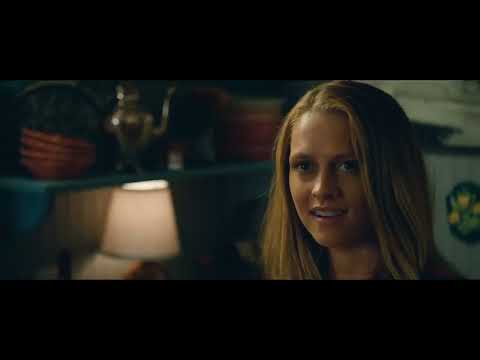
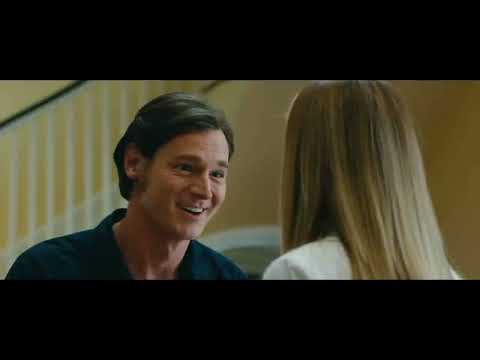
What if a coastal love story kept sneaking in mixtape moments that say what the characters won’t? The Choice uses indie and alt favorites, vintage classical, and a quietly glowing score to chart Travis and Gabby’s will-they/won’t-they into something heavier. The songs feel like postcards from their relationship: porch-light flirts, island day trips, late-night vinyl, and, later, the weight of waiting rooms.
Marcelo Zarvos’ score is the thread — soft piano, brushed percussion, gentle guitars — while the album folds in Guster, The National (an alternate “Terrible Love”), James, Veronica Falls, Efterklang, and more. Needle-drops carry character beats: Travis’ sociable, slightly cocky charm vs. Gabby’s guarded decency. When the story shifts, so does the palette; hymnal warmth (“Feelin’ Alright”) and stately Bach give way to aching score cues and a credit song built to exhale.
Genres & themes in phases. Blog-era indie (curiosity — “Is there something here?”), vinyl-era alt anthems (desire — dinner turns to dancing), chamber/folk inflections (community — friends, family, vows), and elegiac score (cost — choices have shadows). Classical polish (Bach) plays “order,” while The National’s darker romance plays “risk.”
How It Was Made
Composer: Marcelo Zarvos recorded a lyrical, wood-and-strings-forward score, punctuated by simple motifs (“The Secret to Life,” “The Stars and the Moon”) that return like tide patterns. Milan/Éditions Milan Music packaged the commercial OST with both songs and select score cues. Lionsgate cut multiple trailers; marketing leant on anthemic pop for reach, while the feature keeps the texture intimate — closer to porchlight than pop radio.

Tracks & Scenes
Note: Timecodes vary slightly by platform and region; placements below reflect widely reported scene usage and the album program.
“Amsterdam” (Guster)
- Where it plays:
- Early dockside sequence establishing Travis’ coastal routine — boats, buddies, and a breezy confidence. Non-diegetic, over bright daylight cuts and local-color establishing shots.
- Why it matters:
- Sunny alt-pop to frame Travis as the town’s social gravity before Gabby complicates that orbit.
“What Can I Do?” (The Rosebuds)
- Where it plays:
- Backyard get-together at Travis’ place — grill smoke, laughter, and the neighbors wandering in. Diegetic-adjacent party atmosphere; the track bleeds between source and mix.
- Why it matters:
- Signals Travis’ “open-door” charisma, the social contrast to Gabby’s focus and plans.
“Black Betty” (Mick Jaroszyk & Burn This Song)
- Where it plays:
- After-party beat where Travis and Gabby first truly collide — the cut lends swagger to the banter and a touch of comic one-upmanship. Mostly diegetic backyard speakers.
- Why it matters:
- Flirtation scored like a bar-band dare.
“It Gets Better” (The Preatures)
- Where it plays:
- Amusement-park sequence — neon, ferris-wheel views, and the feel of borrowed time. Non-diegetic lift between laughing closeups and wide shots.
- Why it matters:
- Optimism as a drumbeat; the song literalizes the rom-com promise before the drama arrives.
“Don’t Apply Compression Gently” (Courtney Barnett)
- Where it plays:
- Bar-side chat between Travis and his sister Stephanie, the river glinting outside. Source cue vibe that the mix nudges into montage.
- Why it matters:
- Barnett’s wry lyric matches Stephanie’s keep-it-real counsel.
“Before It Happened” (Gumby Brown & the Nifty Critters)
- Where it plays:
- Boat hangout — the crew teases Travis while they wait for Gabby to show. Non-diegetic, with wind and water tucked under the mix.
- Why it matters:
- Easygoing camaraderie; it frames community stakes around the romance.
“Modern Drift” (Efterklang)
- Where it plays:
- Quiet chat on a small island during the friends’ boat day — the camera lingers as conversation deepens. Non-diegetic, crystalline textures supporting tentative intimacy.
- Why it matters:
- Signals a shift from flirt to feeling.
“Terrible Love (Alternate Version)” (The National)
- Where it plays:
- Travis drops the needle after dinner at Gabby’s place; lights low, vinyl crackle audible. Starts diegetic (on the turntable) and swells non-diegetically as the scene turns intimate.
- Why it matters:
- Gothic romance under Southern stars — a signature musical moment that marks the point of no return.
“Teenage” (Veronica Falls)
- Where it plays:
- Motorcycle mini-montage — wind, whoops, and reckless grins. Non-diegetic over sun-flared cuts.
- Why it matters:
- Wide-open joy; the relationship stops negotiating and just goes.
“Feelin’ Alright” (Voices of Unity)
- Where it plays:
- Church scene — choral warmth and handclaps around a community moment. Diegetic gospel performance.
- Why it matters:
- Roots the story in place and people; love isn’t only two-handed.
“The Real Thing” (Sahara Smith)
- Where it plays:
- Dock reunion — Gabby greets Ryan returning from his business trip; the air cools. Non-diegetic, bittersweet.
- Why it matters:
- The triangle gets real — the cue leans wistful, not cruel.
“On My Way Back Home” (Band of Horses)
- Where it plays:
- Later-years montage: Gabby, Travis, and their kids on the water and back again. Non-diegetic Americana glow.
- Why it matters:
- Earns the story’s time jump with lived-in warmth.
“Starlight” (Christopher Welch)
- Where it plays:
- Gabby waits at a restaurant — a small, suspended moment before fate intervenes. Diegetic ambiance nudged into score.
- Why it matters:
- Holds breath; the film starts counting costs.
“Tomorrow” (James)
- Where it plays:
- Proposal drive — Travis heads to Gabby’s family home, the song’s surge underscoring nerves and resolve. Non-diegetic, road visuals sync’d to downbeats.
- Why it matters:
- Anthem as promise; classic 90s uplift re-purposed as country-road courage.
“Suite for Violoncello No. 1 in G Major, BWV 1007: I. Prélude” (J.S. Bach — Jan Vogler)
- Where it plays:
- Early: Gabby studies, hears music drifting from Travis’ backyard. Diegetic source that frames the neighbors’ first rhythm.
- Why it matters:
- Classical order vs. Travis’ unstructured charm — the meet-cute in miniature.
Score highlights (Marcelo Zarvos) — “The Secret to Life,” “The Stars and the Moon,” “Come Bother Me,” “I Remember Everything,” “The Finale (The Choice),” “The Windchimes”
- Where it plays:
- From early hospital sail-in to island epilogue: solo piano and light ensemble wrap scenes of vows, vigil, and reunion. “Come Bother Me” haunts the hospital vigil; “I Remember Everything” scores a late backyard confession; “The Finale” closes on the island; “The Windchimes” marks a quiet, almost-mystical breeze through Travis’ gazebo.
- Why it matters:
- Zarvos keeps the music close — intimate, human-scale — so the big gestures land without bluster.
Trailer cuts (not on the OST album)
- Where it plays:
- Marketing spots mix pop torch and atmospherics — Sam Smith’s “Like I Can” and Sia’s “Fire Meet Gasoline” appear in trailers, not the feature.
- Why it matters:
- Shows the campaign’s broader reach vs. the film’s smaller, coastal palette.
Notes & Trivia
- The album blends songs with Zarvos’ score — a compact 15-track program released a week before the U.S. opening.
- Two prominent trailer songs (Sam Smith’s “Like I Can,” Sia’s “Fire Meet Gasoline”) never appear in-film; they’re marketing-only.
- The National’s “Terrible Love” appears in an alternate version on the album and as a diegetic vinyl moment in the film.
- Bach’s Cello Prelude is a character cue: it literally bridges yards during the neighbors’ first exchanges.
- Several placements are diegetic-first (party speakers, turntable) and then bloom into non-diegetic score — a neat rom-drama trick.
Reception & Quotes
The film drew mixed-to-negative reviews; the music often got kinder mentions as an easy-on-the-ears companion to Sparks-ian melodrama. Commercially, the OST remains a solid snapshot of 2010s indie-adjacent romance scoring.
“Mimics ‘The Notebook’ in everything but meaningful conflict …” — Variety
“Predictable and cheesy, yet you may still shed a tear.” — ABC News
“Gauzy melodrama … may feel painfully formulaic.” — Rotten Tomatoes Critics Consensus
Availability: digital/streaming via Milan/Éditions Milan Music; CD issues documented via retail and catalog databases. The end-title “Daylight” also received an official music video tie-in.
Interesting Facts
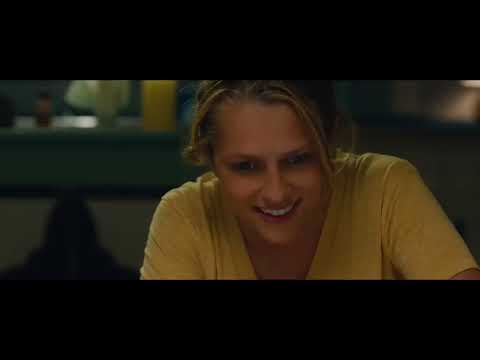
- Island leitmotif: Score cues (“The Stars and the Moon,” “The Finale”) bookmark the private island as the couple’s mythic place.
- Vinyl as plot device: That turntable needle-drop is a hinge — the scene shifts from banter to confession on contact.
- Church as chorus: The Voices of Unity cue lends communal stakes, not just romantic ones.
- Alt-classic mix: James’ 90s anthem and Bach’s 18th-century prelude coexist without clashing — that’s the film’s musical thesis.
- Credit glow: Natalia Safran’s “Daylight” deliberately releases tension after the suspense stretch.
Technical Info
- Title: The Choice — Original Motion Picture Soundtrack
- Year: 2016 (film); soundtrack released January 29, 2016
- Type: Feature film soundtrack (songs + original score)
- Composer: Marcelo Zarvos
- Selected notable placements: Guster — “Amsterdam”; The National — “Terrible Love (Alternate Version)”; James — “Tomorrow”; Veronica Falls — “Teenage”; Efterklang — “Modern Drift”; Band of Horses — “On My Way Back Home”; Voices of Unity — “Feelin’ Alright”; J.S. Bach/Jan Vogler — “Cello Suite No. 1: Prélude”.
- Label/album status: Éditions Milan Music (Milan Records) — digital and CD; OST includes 15 tracks (songs + score)
- Trailer Video ID: nWPM1jTnuuo (Lionsgate teaser)
- Release context: U.S. theatrical Feb 5, 2016; based on Nicholas Sparks’ novel; distributor Lionsgate
Questions & Answers
- Who composed the score?
- Marcelo Zarvos, whose piano-and-guitar motifs keep the film intimate and coastal rather than sweeping.
- Which song plays when Travis puts a record on after dinner?
- The National’s “Terrible Love (Alternate Version)” — it starts as diegetic vinyl, then swells into the mix.
- Are the trailer songs in the film?
- No. Sam Smith’s “Like I Can” and Sia’s “Fire Meet Gasoline” are trailer-only cuts.
- Is there a full score album?
- No separate score release; Zarvos’ cues are folded into the commercial OST alongside the songs.
- What’s the end-credits song?
- “Daylight” by Natalia Safran — a warm, slow-build closer that matches the epilogue’s calm.
Key Contributors
| Entity | Role / Relation |
|---|---|
| Marcelo Zarvos | Composer — original score; wrote featured cues (“The Secret to Life,” “The Stars and the Moon,” etc.) |
| Guster | Artists — “Amsterdam” placement |
| The National | Artists — “Terrible Love (Alternate Version)” placement |
| James | Artists — “Tomorrow” placement |
| Veronica Falls | Artists — “Teenage” placement |
| Efterklang | Artists — “Modern Drift” placement |
| Band of Horses | Artists — “On My Way Back Home” placement |
| Voices of Unity | Artists — “Feelin’ Alright” (church scene) placement |
| J.S. Bach / Jan Vogler | Classical placement — “Cello Suite No. 1: Prélude” |
| Éditions Milan Music / Milan Records | Label — released the official soundtrack |
| Lionsgate | Distributor — U.S. release |
| Ross Katz | Director — set the film’s warm, small-ensemble musical tone |
Sources: Apple Music; Spotify; Film Music Reporter; Discogs; Lionsgate YouTube trailers; MoviesOST scene guide; Rotten Tomatoes; Variety; The Hollywood Reporter; Entertainment Tonight/CBS for “Daylight”.
Teresa Palmer, who in this romantic drama stars in the main part, is terribly painfully similar in appearance & complexion to the most popular a few years ago Bella character – vampire heroine of pentalogy named Twilights (The saga), personalized by Kristen Stewart. They two are almost indistinguishable, except that Kristen's eyes are not as piercingly blue as Teresa’s, but gray. What is the essence of the film, you ask? The complicated love story, which very finely & precisely catches all details of the stages of relationships – from mild interest to despair & self-sacrifice, when you hold the hand of a dying dear to you person in a hospital ward. Stories as such, the world has heard for million times, only now it is transferred on the screen with genuine passion, like the one that is heard in the song Terrible Love. Often delicate as the Sahara Smith, but more often – expressive, filled with those passions that are clear to all & that open secret doors in every heart, if it is not completely hardened. The collection consists exclusively of songs of various rock subgenres, from spring-lightweight (It Gets Better) to hard rock (Black Betty, which is already among hundreds of covers, created on this song with enviable regularity). All songs are full of emotional lyric, just like Veronica Falls – very solidly, with a desire to convey impulses to the audience be means of full-fledged screen action. This is not just another romantic comedy with artificially created obstacles & circumstances for love (as in blunt “How To Loose Guy In 10 Days”). It's not even a comedy. It is clearly understandable drama, filled with life circumstances, from which any girl will cry on the shoulder of boyfriend or husband, requiring to listen a strong collection of music, full of emotional lyrics.November, 28th 2025
More on IMDb, RottenTomatoes.comA-Z Lyrics Universe
Cynthia Erivo Popular
Ariana Grande Horsepower
Post Malone Ain't No Love in Oklahoma
Luke Combs Good Riddance (Time of Your Life)
Green Day Bye Bye Bye
*NSYNC You're the One That I Wan
John Travolta & Olivia Newton-John I Always Wanted a Brother
Braelyn Rankins, Theo Somolu, Kelvin Harrison Jr. and Aaron Pierre The Power of Love
Frankie Goes to Hollywood Beyond
Auli’i Cravalho feat. Rachel House MORE ›