Soundtracks:  A B C D E F G H I J K L M N O P Q R S T U V W X Y Z #


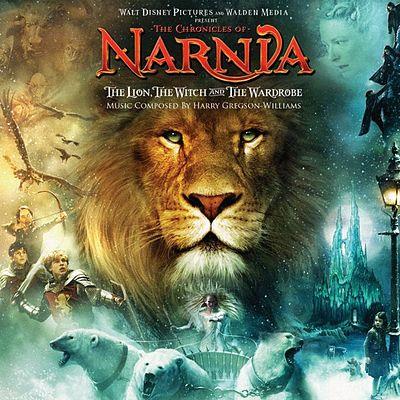
The Chronicles of Narnia Album Cover

"The Chronicles of Narnia" Soundtrack Lyrics

TV • 2005

Track Listing


"The Chronicles of Narnia: The Lion, the Witch and the Wardrobe (Original Motion Picture Soundtrack)" – Album Guide to Tracks and Key Scenes

Official 2005 trailer thumbnail for The Chronicles of Narnia: The Lion, the Witch and the Wardrobe with the Pevensie children entering Narnia
First look — the 2005 theatrical trailer that introduced Harry Gregson-Williams’ Narnian sound.

Overview

What does wonder sound like when it has a conscience? In The Chronicles of Narnia: The Lion, the Witch and the Wardrobe, Harry Gregson-Williams balances wide-eyed melody with war-drum gravitas — a score that lets magic feel hand-carved, then suddenly colossal. The film follows the four Pevensie children from wartime Britain through a wardrobe and into a frozen realm ruled by the White Witch; the soundtrack escorts them with leitmotifs for family, land, and courage that bloom as the siblings grow up in a weekend.

Across 70 minutes of orchestral writing and choral lift (with soloist Lisbeth Scott as its hushed soul), the album threads three original end-title songs — Imogen Heap’s “Can’t Take It In,” Alanis Morissette’s “Wunderkind,” and Tim Finn’s “Winter Light.” It’s a rare tent-pole soundtrack that feels both intimate (solo woodwinds, duduk, lullaby textures) and towering (Abbey Road choir, “The Battle” brass). The arc is purposeful: evacuation grief → discovery → temptation → sacrifice → renewal — each phase stamped by a distinct color in the score.

Genres & themes in phases. Pastoral/folk timbres (innocence; Lucy’s curiosity), modal choral writing (mythic awe; Aslan’s gravity), percussion-driven action (agency; Peter and Edmund’s courage), and pop-leaning end songs (modern reflection; “what it meant to me”). Classical sheen equals “order”; ethnic woodwinds and voice equal “ancient Narnia” — and when both fuse, destiny clicks.

How It Was Made

Gregson-Williams composed and conducted with the Hollywood Studio Symphony and a 140-voice choir recorded at Abbey Road. Featured performers include vocalist Lisbeth Scott and duduk soloist Chris Bleth. Music supervision on the commercial album and film music department credits include Lindsay Fellows (music supervisor) and Monica Zierhut (music production supervisor). Walt Disney Records released the OST in December 2005, with sessions spanning September–November that year.

Trailer frame highlighting wartime trains and a choral swell that sets up Evacuating London
From London to lantern-light — the recording blends chamber intimacy and choral scale.

Tracks & Scenes

Note: Timecodes vary by cut/format. The cues below match the OST titles and describe how they function on screen.

“The Blitz, 1940” (Harry Gregson-Williams)

Where it plays:
Opening air-raid sequence in London: sirens, blackout cloth, the Pevensies racing to the shelter. Strings carry a hush; brass flickers like shrapnel. Non-diegetic, ~2½ minutes.
Why it matters:
Plants the war-wound that makes Narnia more than escapism — it’s a moral holiday that will send them back changed.

“Evacuating London”

Where it plays:
Train departure to the countryside — platform embraces and countryside vistas. Non-diegetic with gentle ostinato and tender woodwinds.
Why it matters:
Introduces the Pevensie family motif as movement — a melody that won’t stop growing.

“The Wardrobe”

Where it plays:
Lucy’s nighttime hide-and-seek leads to fur coats that turn to fir branches. Harp and strings tiptoe into shimmer as snow appears. Non-diegetic transition cue.
Why it matters:
The score’s first true “wonder” bloom — quiet, precise, unforgettable.

“Lucy Meets Mr. Tumnus”

Where it plays:
At the lamppost and in Tumnus’s cave: fireside tea, faun manners, danger disguised as courtesy. Non-diegetic pastoral lines with solo winds.
Why it matters:
Sets the film’s emotional temperature: gentleness complicated by fear.

“A Narnia Lullaby”

Where it plays:
Diegetic in Tumnus’s cave: he plays a bewitched lullaby on his pipe to send Lucy to sleep. The timbre (duduk-like color) turns the cozy room uncanny.
Why it matters:
A moral hinge — hospitality bent toward betrayal, then repented.

“The White Witch”

Where it plays:
Edmund’s sleigh encounter in the snowy wood. Cold choir and low brass under Jadis’s flattery, Turkish Delight glitter in the mix.
Why it matters:
Introduces the Witch’s predatory glamour: beauty as trap.

“From Western Woods to Beaversdam”

Where it plays:
Flight to the Beavers’ dam after the siblings reunite. Scurrying strings and warm, homey interludes; snow-chase energy keeps poking through.
Why it matters:
Narnia’s folk warmth versus the Witch’s winter — music toggles between both.

“Father Christmas”

Where it plays:
Thaw begins; gifts bestowed (bow, horn, sword, cordial). Non-diegetic ceremony with carol-like harmonies.
Why it matters:
Signals that joy requires responsibility — the gifts are tools, not toys.

“To Aslan’s Camp” / “Knighting Peter”

Where it plays:
Approach to the cliffside encampment, then Peter’s knighting. Horns broaden; chorus glows like sunrise on canvas tents.
Why it matters:
Heroic motif stands up for the first time — innocence giving way to vocation.

“The Stone Table”

Where it plays:
Night march and sacrifice: torches, jeers, muzzle; then silence. Eight-minute set piece, non-diegetic, choir darkening to a single held note.
Why it matters:
The score’s moral summit — grief written with restraint.

“The Battle”

Where it plays:
Final charge across Beruna: gryphons dive, giants swing, Edmund’s redemption beat lands mid-cue. Percussion drives, brass declares.
Why it matters:
Theme convergence — family, land, courage, all at once.

“Only the Beginning of the Adventure”

Where it plays:
Return to the lamppost and back through the wardrobe; the professor’s knowing smile. Non-diegetic closure that still promises more.
Why it matters:
A perfect “we came home different” cadence.

End-title songs

Where they play:
Credits roll in three movements: “Can’t Take It In” (Imogen Heap) — awe turned inward; “Wunderkind” (Alanis Morissette) — gift/identity theme; “Winter Light” (Tim Finn) — gentle afterglow.
Why they matter:
Three singer-songwriter lenses on the same experience — wonder, vocation, grace.

Source song: “Oh Johnny, Oh Johnny, Oh!” (The Andrews Sisters)

Where it plays:
Period diegetic needle-drop (radio/gramophone vibe) tying the evacuees’ England to a specific sound world.
Why it matters:
Frames the Pevensies’ ordinary past so the extraordinary can pop.
Action montage frame evoking The Battle cue with gryphons and ranks forming on the valley floor
“The Battle” — brass and drums as myth remembers itself.

Notes & Trivia

  • Soloist Lisbeth Scott’s voice functions like Narnia’s “memory” — often woven into themes rather than spotlighted as a pop feature.
  • The faun’s lullaby timbre (duduk color) makes a cozy scene feel uncanny — a deliberate moral wobble.
  • Imogen Heap reportedly wrote and delivered “Can’t Take It In” on a tight deadline, shaping her electronics toward story-first warmth.
  • “Wunderkind” and “Can’t Take It In” earned Golden Globe nominations attention for the film’s music year.
  • The commercial album includes the song “Where” (Lisbeth Scott) — its melody derives from the Pevensie motif and does not appear in-film.

Reception & Quotes

The soundtrack charted strongly for a score album and was praised for thematic clarity and choral/orchestral craft. Awards bodies noticed both the score and Morissette’s song.

“A sweeping, melodic score that earns its goosebumps.” — Album/press coverage summary
“‘Wunderkind’ felt like it just arrived after I watched the cut.” — Alanis Morissette
“I had to be descriptive and not too electronic.” — Imogen Heap on writing to picture

Availability: the OST (Walt Disney Records) runs ~70 minutes; streaming editions mirror the CD program. Select score cues later appeared on composer compilations and live suites.

Final trailer title card for The Chronicles of Narnia with snowy serif titling and Disney/Walden branding
Title card — a promise that this adventure is “only the beginning.”

Interesting Facts

  • Choir at scale: The recording used a ~140-voice Abbey Road choir for the largest sequences.
  • Leitmotif map: Family (Pevensies), Land (Narnia), and Heroic themes interweave; the heroic motif doesn’t stand fully upright until the march into Aslan’s camp.
  • Diegetic magic: Mr. Tumnus’s lullaby is played “in scene,” not just over it — the story’s first brush with enchantment.
  • Not just symphonic: Duduk, solo violin, and intimate voice keep the myth human-sized between the big choral peaks.
  • Single-week sprint: Heap’s end-title had an infamously short write/record/mix window.

Technical Info

  • Title: The Chronicles of Narnia: The Lion, the Witch and the Wardrobe — Original Motion Picture Soundtrack
  • Year: 2005 (film & album release)
  • Type: Feature film soundtrack (orchestral score + songs)
  • Composer/Producer: Harry Gregson-Williams
  • Featured performers: Lisbeth Scott (solo vocals); Chris Bleth (duduk); Hollywood Studio Symphony; large choir recorded at Abbey Road
  • Music supervision: Lindsay Fellows (music supervisor); Monica Zierhut (music production supervisor)
  • Selected notable placements: “A Narnia Lullaby” (diegetic in Tumnus’s cave); “The Stone Table” (sacrifice); “The Battle” (Beruna); “Only the Beginning of the Adventure” (homecoming); End-title songs by Imogen Heap, Alanis Morissette, Tim Finn
  • Label: Walt Disney Records
  • Trailer Video ID: usEkWtuNn-w (theatrical trailer)
  • Clarification: This is a film soundtrack (not TV). The well-known BBC television adaptations aired in 1988–1990.

Questions & Answers

Who sings during the score’s ethereal moments?
Soloist Lisbeth Scott — her voice often floats inside cues like “Only the Beginning of the Adventure.”
Is Mr. Tumnus’s lullaby on the album?
Yes — “A Narnia Lullaby.” In the film it’s diegetic (played in-scene) and on the OST it appears as a short standalone track.
Which cue scores Aslan’s sacrifice?
“The Stone Table,” an eight-minute center-piece with darkened choir and sustained strings.
What plays over the end credits?
Imogen Heap’s “Can’t Take It In,” Alanis Morissette’s “Wunderkind,” and Tim Finn’s “Winter Light,” in that order.
Is there a separate ‘complete recordings’ release?
No official complete score has been issued; the commercial OST covers highlights from the film’s music.

Key Contributors

EntityRole / Relation
Harry Gregson-WilliamsComposer, producer — wrote and conducted the score
Lisbeth ScottFeatured vocalist — solos woven through key cues
Chris BlethDuduk soloist — color of “A Narnia Lullaby”
Lindsay FellowsMusic Supervisor — soundtrack/clearances
Monica ZierhutMusic Production Supervisor — album/score production
Imogen HeapArtist — “Can’t Take It In” (end title)
Alanis MorissetteArtist — “Wunderkind” (end title)
Tim FinnArtist — “Winter Light” (end title)
Walt Disney RecordsLabel — released the 2005 OST
Walden Media / Walt Disney PicturesStudios — produced/distributed the film

Sources: OST liner/credits & label pages; charted press; studio interviews; soundtrack databases; trailer channel uploads; fan-curated scene guides.

November, 28th 2025


A-Z Lyrics Universe

Lyrics / song texts are property and copyright of their owners and provided for educational purposes only.