Soundtracks:  A B C D E F G H I J K L M N O P Q R S T U V W X Y Z #


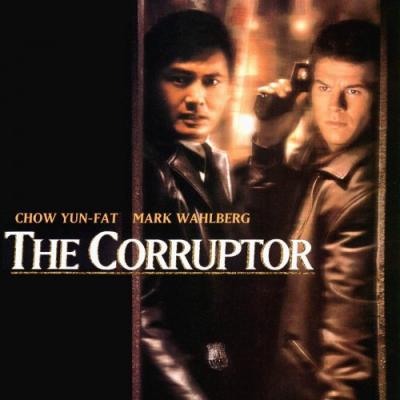
The Corruptor Album Cover

"The Corruptor" Soundtrack Lyrics

Movie • 1999

Track Listing


"The Corruptor (Original Motion Picture Soundtrack & Score)" – Album Guide to Tracks and Key Scenes

The Corruptor 1999 official trailer frame with Chow Yun-fat and Mark Wahlberg in Chinatown neon
The Corruptor — official trailer (1999).

Overview

What does late-90s New York crime drama sound like when it splits the difference between street heat and moral chill? The Corruptor runs on two engines: a hard-edged hip-hop compilation that positioned the movie in 1999’s radio reality, and Carter Burwell’s icy, percussive score that follows a rookie–veteran cop duo through Chinatown’s alliances and betrayals.

The song album (The Corruptor: The Soundtrack) arrives stacked with original cuts by Jay-Z (with Beanie Sigel, Memphis Bleek & DMX), UGK, KRS-One, Redman, Mobb Deep affiliates and more, while Burwell’s separate score album (Original Motion Picture Score) threads tense motifs through rumbles of low brass, scraped strings, and drum-machine grit. The film leans on score for scene-to-scene storytelling, with songs surfacing primarily as source and end-credit identity — a classic late-90s “two-album” play.

Genres & themes in phases. Boom-bap and Southern bass (power; territory), ominous orchestral minimalism (paranoia; surveillance), and metallic percussion (violence about to happen). Strings = consequence; drums = impulse; synth drones = pressure.

How It Was Made

The song album. Jive Records released a 17-track set produced by a who’s-who of 1998–99 rap (Swizz Beatz, Marley Marl, Havoc, Dame Grease, Pimp C, DJ Battlecat, The Legendary Traxster, and others), overseen by executive producers Dana Sano, Lori Silfen, and Toby Emmerich. Sessions centered at Unique Recording Studios, New York. The compilation peaked at No. 44 (Billboard 200) and No. 9 (Top R&B/Hip-Hop Albums).

The score album. Carter Burwell composed, orchestrated, and conducted; the music was recorded at Right Track Studio in New York and mixed at The Body Studio. Varèse Sarabande issued the 18-cue album shortly after the film’s release.

Trailer frame: neon-washed Chinatown street that sets up Burwell’s tense textures
Score first — the trailer leans on tension cues and urban texture.

Tracks & Scenes

Note: Time marks vary by edition; below ties official cue titles and widely credited songs to the film’s on-screen function.

“The Corruptor” (Carter Burwell)

Where it plays:
Main title and early Chinatown montage: sodium-lamp streets, wary faces, a city listening. Non-diegetic; sets the pulse in under three minutes.
Why it matters:
Establishes the score’s language — tight motifs, low-end menace, and a rhythm that feels surveilled.

“Lamp Store Shootout” (Carter Burwell)

Where it plays:
A cramped firefight among glass aisles: fluorescents strobe, shells skip across the floor, and reflections multiply threats. Non-diegetic with percussive accents that hit like shattering bulbs.
Why it matters:
Burwell’s action writing here is clipped, urban, and spatial — the cue breathes just enough to let the echoes feel like ghosts.

“Ginza Shooting” (Carter Burwell)

Where it plays:
Hit in a sleek restaurant: lacquered wood, sliding doors, then a sudden eruption that spills into the alley. Strings rasp under a steady, surgical beat.
Why it matters:
Shows the story’s cross-cultural fault lines and the score’s ability to shift from quiet poise to violence in a heartbeat.

“Beneath the Streets” (Carter Burwell)

Where it plays:
Subway-tunnel stalking and back-room deals; footsteps ricochet into distant rails. The cue rides a wary ostinato and sub-bass throb.
Why it matters:
Underground equals undertow — the city’s hidden economy gets a sound.

“Drug Raid” → “Dumpster” (Carter Burwell)

Where it plays:
Bust gone sideways; then a sickly quiet as evidence is found where no one wants to look. The music constricts to heartbeat tempo and creaks.
Why it matters:
Ethics, not just tactics — the cue slows so the scene can sting.

“The Old Man” (Carter Burwell)

Where it plays:
A mentor’s parable lands colder than intended; close-up on eyes that have seen this cycle before. Sparse strings with a fatigued cadence.
Why it matters:
Gives the film’s generational argument a sound apart from action.

“More Money, More Cash, More Hoes (Remix)” (JAY-Z feat. Beanie Sigel, Memphis Bleek & DMX)

Where it plays:
Identified with the film via the official song album and single; used as a brand-setter around the release window, with clean/explicit promo versions.
Why it matters:
Signals the soundtrack’s star power and late-90s New York rap DNA.

“The Corruptor’s Execution” (UGK with E-40 & B-Legit)

Where it plays:
A compilation highlight tied to the movie’s marketing and album sequencing; Southern bass swagger contrasts Burwell’s Manhattan chill.
Why it matters:
Shows how the soundtrack broadened the film’s reach beyond the score.

“5 Boroughs” (KRS-One, Redman, Cam’ron, Buckshot, Keith Murray, Killah Priest, Bounty Killer, Prodigy, Rev. Run & Vigilante)

Where it plays:
Mass-feature posse cut on the album — a roll call of NYC voices aligning the movie with the city’s broader rap conversation in 1999.
Why it matters:
Brand synergy: the film’s Chinatown story stamped by the whole city.

“Panty Raid” (Carter Burwell)

Where it plays:
Sting operation with uncomfortable comic undertow; the cue tilts between sly and skittish.
Why it matters:
Burwell uses tone shifts to show how “small” vices feed big crimes.

End-credit identity

Where it plays:
The film exits on the compilation’s hip-hop polish, while soundtrack singles drive post-screen buzz; the score’s “Color Purple Suite & End Credits” equivalent here is Burwell’s closing cue wrapping the moral cost.
Why it matters:
Two albums, two functions — songs sell; score sticks.
Trailer montage: glass exploding in the lamp store shootout, a hallmark Burwell action cue moment
Glass, echoes, and clipped percussion — the score’s action grammar.

Notes & Trivia

  • The soundtrack album features 17 original songs commissioned/assembled for the release — an all-star snapshot of 1999 rap production.
  • The score album was recorded at Right Track Studio (NYC) and mixed at The Body Studio; Burwell is credited as composer, orchestrator, and conductor.
  • The song album charted No. 44 (Billboard 200) and No. 9 (Top R&B/Hip-Hop Albums) in March 1999.
  • Executive music brass on the song album: Dana Sano, Lori Silfen, and Toby Emmerich; studio notes credit Unique Recording Studios for principal sessions.
  • Burwell’s cue titles (“Lamp Store Shootout,” “Ginza Shooting,” “Drug Raid,” etc.) neatly map the movie’s set-pieces for a play-by-play listen.

Reception & Quotes

The hip-hop compilation earned strong attention on release, while score aficionados praised Burwell’s tense, urban minimalism.

“A taut 42-minute thriller of a score… recorded at Right Track Studio, NY.” — Album database synopsis
“Big-name producers and a 17-track roster give the soundtrack chart bite.” — Label/press round-ups

Availability: both albums are widely streaming — the song set under Sony’s catalog (RCA/Jive lineage) and the score via Varèse Sarabande’s digital catalog.

Trailer end card for The Corruptor with New Line branding
New Line, neon, and a double-album strategy.

Interesting Facts

  • Two-release model: Late-90s studios often paired a star-driven rap/R&B album with a separate score — The Corruptor is textbook.
  • Cross-regional sound: NYC stalwarts (KRS-One, Rev. Run, Redman) share space with South/West voices (UGK, DJ Battlecat, Too $hort).
  • Marketing lever: The posse cut “5 Boroughs” functions as a citywide co-sign, even for viewers who never bought the score.
  • Burwell’s texture: The score mixes orchestral writing with drum-program grit — more pressure cooker than symphonic thriller.
  • Studio lineage: Original song album rolled out on Jive; later digital rights surface under RCA/Sony catalog management.

Technical Info

  • Title: The Corruptor — The Soundtrack (songs); The Corruptor — Original Motion Picture Score (score)
  • Year: 1999 (film & albums)
  • Type: Song compilation + separate original score
  • Composer: Carter Burwell (score)
  • Executive music (songs): Dana Sano; Lori Silfen; Toby Emmerich
  • Producers on song album (sel.): Swizz Beatz; Marley Marl; Havoc; Dame Grease; Pimp C; DJ Battlecat; The Legendary Traxster
  • Studios: Unique Recording Studios, New York (songs); Right Track Studio, New York (score)
  • Labels: Jive Records (original song album release); Varèse Sarabande (score). Digital catalog for the song album appears under RCA/Sony.
  • Chart notes (song album): Billboard 200 peak No. 44; Top R&B/Hip-Hop Albums peak No. 9
  • Trailer Video ID: DHDu5KBH3rg

Questions & Answers

Is the movie mostly songs or score?
Mostly score. The film’s moment-to-moment tension rides on Carter Burwell; the hip-hop album acts as brand/credit/source identity.
Why are there two different albums?
Late-90s releases often split: a commercial song set (to drive radio) and a separate score album (to present the composer’s cues).
What are the marquee songs on the soundtrack?
Jay-Z/DMX/Beanie Sigel/Memphis Bleek’s “More Money, More Cash, More Hoes (Remix),” UGK’s “Take It Off” and “The Corruptor’s Execution,” and the mega-posse “5 Boroughs.”
Where was the score recorded?
Right Track Studio in New York; Burwell also mixed at The Body Studio.
Does the score mirror specific action scenes?
Yes — cue titles like “Lamp Store Shootout,” “Ginza Shooting,” and “Drug Raid” map directly to on-screen set-pieces.

Key Contributors

EntityRole / Relation
Carter BurwellComposer, orchestrator, conductor — Original Motion Picture Score
Dana Sano; Lori Silfen; Toby EmmerichExecutive producers — song album (music supervision/executive roles)
Swizz Beatz; Marley Marl; Havoc; Dame Grease; Pimp C; DJ Battlecat; The Legendary TraxsterProducers — tracks on the song compilation
Jive RecordsOriginal label — released The Corruptor: The Soundtrack (1999)
Varèse SarabandeLabel — issued Original Motion Picture Score (1999)
Unique Recording Studios (NYC)Recording site — song album sessions
Right Track Studio (NYC)Recording site — score sessions
James FoleyDirector — film context for albums
New Line CinemaStudio/Distributor — U.S. release February 1999

Sources: Wikipedia soundtrack overview; Discogs release credits; Apple Music/Spotify listings; MovieMusic/AllMusic album notes; Carter Burwell’s official project page; Billboard chart references; official trailer upload.

November, 28th 2025


A-Z Lyrics Universe

Lyrics / song texts are property and copyright of their owners and provided for educational purposes only.