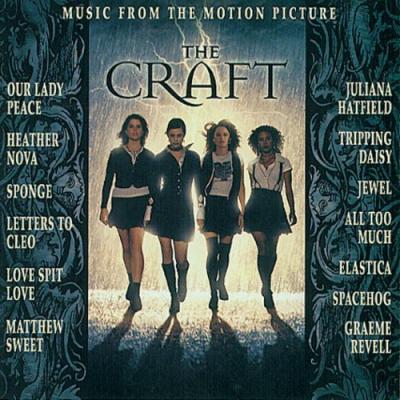
"The Craft" Soundtrack Lyrics
Movie • 1996
Track Listing
Our Lady Peace
Heather Nova
Sponge
Letters to Cleo
Love Spit Love
Matthew Sweet
Juliana Hatfield
Tripping Daisy
Jewel
All Too Much
Elastica
Spacehog
Graeme Revell
Siouxsie and the Banshees
Connie Francis
Portishead
"The Craft (Music From the Motion Picture) & Original Score" – Album Guide to Tracks and Key Scenes
Overview
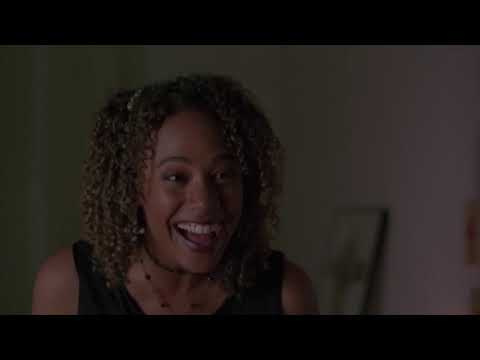
What does teen witchcraft sound like when the spell is 90s alt? The Craft answers with a razor-edged song album — covers and originals steeped in alt-rock, dream pop, and trip-hop — and a separate, unnerving score by Graeme Revell. The movie’s power trip follows Sarah, Nancy, Bonnie, and Rochelle as high-school alienation curdles into real magic; the soundtrack mirrors the slide from curiosity to consequence.
The commercial compilation is a time capsule: Love Spit Love’s “How Soon Is Now?” (the film’s signature cut), Our Lady Peace’s churning “Tomorrow Never Knows,” Letters to Cleo’s neon “Dangerous Type,” plus Matthew Sweet, Jewel, Siouxsie and the Banshees, Spacehog, Portishead (a remix appearance), and more. Revell’s separate score album threads hushed strings, ritual pulses, and eerie textures between the needle-drops. Songs do the swagger; the score does the chill.
Genres & themes in phases. Alt-rock covers (ritual as reinvention), shoegaze/dream pop (yearning), trip-hop and downtempo (temptation), and minimalist horror scoring (the cost). Guitars = intent; sub-bass = danger; choral whispers = consequence.
How It Was Made
Music From the Motion Picture (Columbia) arrived just before the U.S. theatrical release, built as a cohesive 13-track listen that could stand alone on radio and MTV. Executive producers and supervisors assembled new covers and key originals — Love Spit Love recorded “How Soon Is Now?” specifically for the film — while licensing a handful of deep cuts that matched the movie’s mood.
Original Motion Picture Score followed on a separate Varèse Sarabande release: 15 cues by Graeme Revell, recorded and mixed in Los Angeles, with orchestrations and conducting support. Cue titles (“Bitches of Eastwick,” “Calling the Corners,” “Ours Is the Power”) map directly to ritual scenes and set-pieces.
Tracks & Scenes
Note: Timecodes vary slightly by cut/edition. Entries below anchor to verified placements or widely documented use.
“Tomorrow Never Knows” (Our Lady Peace)
- Where it plays:
- Opening beat: chiming samples and churn over early Los Angeles shots as Sarah arrives and the coven’s world takes shape. Non-diegetic; an establishing curtain-raiser.
- Why it matters:
- Signals a trance-rock palette — curiosity tilting toward the uncanny.
“How Soon Is Now?” (Love Spit Love)
- Where it plays:
- Signature sync threaded through promo and film moments as the girls’ power crystallizes — glamour, confidence, and the sense that the ground has shifted.
- Why it matters:
- Became the franchise’s sonic calling card well beyond the film.
“Dangerous Type” (Letters to Cleo)
- Where it plays:
- Slow-motion strut down the school hallway and makeover/“we have a secret” montage beats. Non-diegetic, cut to hair flips, uniforms, and side-eye.
- Why it matters:
- Pure attitude — the coven moves as one, and the world notices.
“Sick Child” (Siouxsie and the Banshees)
- Where it plays:
- Bonnie’s scar-banishing ritual and aftermath. The track’s haunted hush sits under candles and whispered pleas.
- Why it matters:
- Links body horror to quiet desire — beauty, but at a price.
“Under the Water” (Jewel)
- Where it plays:
- Rooftop date with Chris: city lights, tentative smiles, and a song that feels like falling in slow motion. Non-diegetic; intimate background during confessions.
- Why it matters:
- Turns up the ache before the film turns the knife.
“The Horror” (Spacehog)
- Where it plays:
- House party sequence — sweat, red cups, reckless choices — as Nancy arrives to pull Chris upstairs. Non-diegetic, cross-cut with glances that curdle into menace.
- Why it matters:
- Names the mood: thrill tipping into threat.
“Dark Secret” (Matthew Sweet)
- Where it plays:
- Leads into the “invoke the spirit” decision — whispers, candles, and the unwise confidence of four.
- Why it matters:
- Foreshadows the price of power with jangly dread.
“Scorn” (Portishead)
- Where it plays:
- Trip-hop texture in tension passages; a remix derivative of “Glory Box” used in the film but not on the retail CD.
- Why it matters:
- Gives the movie its smoky, late-night shadow between set-pieces.
“I Have the Touch” (Heather Nova, Peter Gabriel cover)
- Where it plays:
- End credits roll — breath back in the lungs after the showdown, with a voice that feels like morning after a storm.
- Why it matters:
- Resets the tone — curiosity again, not chaos.
Score highlights (Graeme Revell) — “Calling the Corners” → “Ours Is the Power”
- Where it plays:
- Ritual sequences, levitation, and the final confrontation. Hand percussion, whispered choir, and string clusters tighten the frame as the coven fractures.
- Why it matters:
- The score is the film’s true horror voice; when the songs step back, Revell’s motifs do the haunting.
Notes & Trivia
- Two releases: a 13-track Music From the Motion Picture (songs) and a separate Original Motion Picture Score (15 cues) by Graeme Revell.
- Love Spit Love cut “How Soon Is Now?” specifically for the film; the cover later became the TV theme for Charmed.
- Portishead’s “Scorn” (a Glory Box–derived remix) and Connie Francis’s “Fallin’” appear in the film but not on the retail CD.
- “Dangerous Type” covers The Cars; “Tomorrow Never Knows” covers The Beatles — both re-cast as 90s alt statements.
- Revell’s cue titles mirror on-screen rituals (“Calling the Corners,” “Manon,” “Bitches of Eastwick”), making the score an easy scene map.
Reception & Quotes
The film opened May 3, 1996 and earned a cult afterlife; its soundtrack became a go-to Halloween playlist and a snapshot of mid-90s alt. Critics were mixed on the film but consistently praised the music package’s cohesion.
“A time-capsule alt compilation with a surprisingly durable mood.” — Album retrospectives
“Revell’s ritual cues give the movie its true chill.” — Score notes
Availability: both the song album and the score are widely streaming; the song set bears Columbia/Sony catalog credits; the score sits under Varèse’s catalog.
Interesting Facts
- Theme that traveled: “How Soon Is Now?” left the film to become Charmed’s theme across eight seasons.
- Cover conversation: The album flips classic tracks to match the coven’s adolescent bravado.
- CD vs. movie: Several in-film songs didn’t make the retail CD (common to 90s rights packages).
- Ritual labeling: The score’s track names double as a plot outline — handy for listening in story order.
- Pre-release drop: The compilation landed just ahead of the theatrical run to seed radio/MTV play.
Technical Info
- Title: The Craft — Music From the Motion Picture (songs) / The Craft — Original Motion Picture Score (score)
- Year: 1996 (film & albums)
- Type: Song compilation + separate original score
- Composer: Graeme Revell (score)
- Key soundtrack artists: Love Spit Love; Our Lady Peace; Letters to Cleo; Matthew Sweet; Jewel; Siouxsie and the Banshees; Spacehog; Portishead (remix)
- Labels: Columbia (songs); Varèse Sarabande (score)
- Selected notable placements: Opening — “Tomorrow Never Knows”; Hallway/slow-mo — “Dangerous Type”; Rooftop date — “Under the Water”; Party upstairs — “The Horror”; Bonnie’s ritual — “Sick Child”; End credits — “I Have the Touch.”
- Release context: U.S. theatrical May 3, 1996; soundtrack issued shortly before premiere
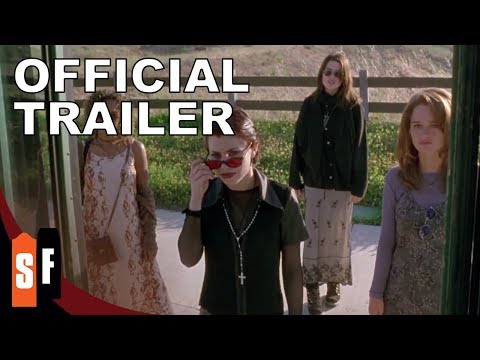
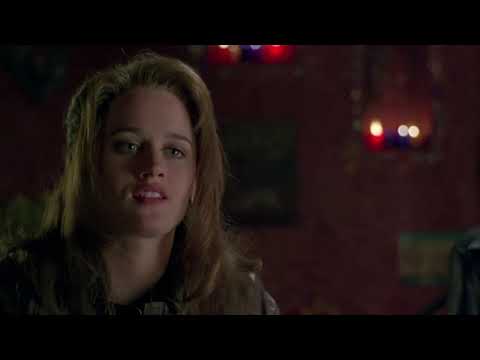
- Trailer Video ID: SxEqB--5ToI
Questions & Answers
- Who composed the score?
- Graeme Revell, whose 15-cue album covers the rituals, levitation, and the final confrontation.
- What’s the song everyone associates with the movie?
- Love Spit Love’s cover of “How Soon Is Now?” — it outlived the film as Charmed’s theme.
- What plays during the slow-motion hallway walk?
- “Dangerous Type” by Letters to Cleo, underscoring the coven’s makeover swagger.
- Which track scores Bonnie’s “take my scars” moment?
- Siouxsie and the Banshees’ “Sick Child.”
- What’s the song on Sarah’s rooftop date with Chris?
- Jewel’s “Under the Water.”
Key Contributors
| Entity | Role / Relation |
|---|---|
| Graeme Revell | Composer — Original Motion Picture Score; cues align to rituals and final showdown |
| Ralph Sall | Executive music producer/supervisor — commercial soundtrack assembly |
| Love Spit Love | Artists — recorded “How Soon Is Now?” specifically for the film |
| Our Lady Peace | Artists — opening cut “Tomorrow Never Knows” (cover) |
| Letters to Cleo | Artists — “Dangerous Type” cover; hallway/strut montage ID |
| Jewel | Artist — “Under the Water,” rooftop date cue |
| Siouxsie and the Banshees | Artists — “Sick Child,” used under Bonnie’s ritual |
| Columbia Records | Label — released the song compilation |
| Varèse Sarabande | Label — released the original score |
| Andrew Fleming | Director — integrated diegetic/non-diegetic music with teen-horror tone |
| Douglas Wick | Producer — album/film coordination context |
Sources: label/retail listings and liner credits; soundtrack databases; film credits; interviews/retrospectives; fan-verified scene IDs; official trailers.
November, 28th 2025
A-Z Lyrics Universe
Cynthia Erivo Popular
Ariana Grande Horsepower
Post Malone Ain't No Love in Oklahoma
Luke Combs Good Riddance (Time of Your Life)
Green Day Bye Bye Bye
*NSYNC You're the One That I Wan
John Travolta & Olivia Newton-John I Always Wanted a Brother
Braelyn Rankins, Theo Somolu, Kelvin Harrison Jr. and Aaron Pierre The Power of Love
Frankie Goes to Hollywood Beyond
Auli’i Cravalho feat. Rachel House MORE ›