
"The Great Debaters" Soundtrack Lyrics
Movie • 2007
Track Listing
Alvin Youngblood Hart & Sharon Jones
Sharon Jones, Teenie Hodges & Alvin Youngblood Hart
The Carolina Chocolate Drops & Alvin Youngblood Hart
Alvin Youngblood Hart & Teenie Hodges
Sharon Jones, Teenie Hodges & Alvin Youngblood Hart
Alvin Youngblood Hart & The Carolina Chocolate Drops
Alvin Youngblood Hart & The Carolina Chocolate Drops
Alvin Youngblood Hart with Billy Rivers & The Angelic Voices of Faith
David Berger & The Sultans of Swing
David Berger & The Sultans of Swing
Sharon Jones, Teenie Hodges & Alvin Youngblood Hart
Alvin Youngblood Hart & The Carolina Chocolate Drops
Alvin Youngblood Hart
Sharon Jones with Billy Rivers & The Angelic Voices of Faith
Sharon Jones with Billy Rivers & The Angelic Voices of Faith
Art Tatum
Marian Anderson
"The Great Debaters (Music From & Recorded For the Motion Picture)" – Album Guide to Tracks and Key Scenes
Overview
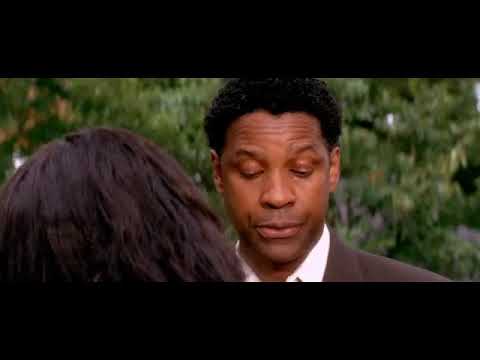
How do you score a debate? With groove and grit. The Great Debaters sets its 1935 Texas story to pre-war blues, gospel shouts, and ballroom swing — music that moves bodies and stiffens spines. The album isn’t a museum piece; it’s performance-forward, cut by present-day torchbearers (Sharon Jones, Alvin “Youngblood” Hart, the Carolina Chocolate Drops, David Berger’s band) who make the past feel live.
On screen, that sound does double duty. Church-borne spirituals and field-born blues anchor the Wiley College team to community; juke-joint stomp underscores joy as resistance; society-band cues sketch rooms where decorum hides inequality. A separate score album by James Newton Howard and Peter Golub threads quiet tension between these songs — low strings for surveillance, small ensembles for private cost — so victories feel earned rather than preordained.
Genres & themes in phases: Delta blues — persistence and protest; gospel call-and-response — solidarity and moral fire; swing/ballroom jazz — etiquette vs. exclusion; restrained modern score — fear, consequence, resolve.
How It Was Made
Denzel Washington personally sifted through more than a thousand pre-1935 titles to find the film’s on-camera songs, then recorded fresh versions with a handpicked ensemble of contemporary roots artists. The companion compilation (Music From & Recorded For the Motion Picture) arrived November 20, 2007 on Atlantic — 17 tracks of blues, gospel, jazz, and period pieces performed for the film. In parallel, Varèse Sarabande issued an Original Motion Picture Score album by James Newton Howard and Peter Golub the following spring, capturing the film’s hushed dramatic spine.

Tracks & Scenes
“My Soul Is a Witness” (Alvin ‘Youngblood’ Hart & Sharon Jones)
- Where it plays:
- Opens the film over a kinetic montage (~00:00–00:02). A fast gospel vamp pushes us from a juke-joint night into Wiley College dawn — drums snapping, congregation-style refrains riding the cut. On-screen it functions as source-adjacent energy: the sound of a community waking up and getting to work.
- Why it matters:
- It declares the movie’s stance in two minutes — faith, groove, and forward motion as fuel for intellect and courage.
“That’s What My Baby Likes” (Sharon Jones, Alvin ‘Youngblood’ Hart & Teenie Hodges)
- Where it plays:
- Juke-joint set piece in the early reels (~00:07–00:12). Fiddle and slide guitar chatter while couples weave through the floor; the camera cuts between banter, local politics, and the band tearing into call-and-response licks. Fully diegetic: band on stage, sweat on lamps.
- Why it matters:
- Shows what’s at stake culturally — the joy that the debate room is trying to protect.
“I’ve Got Blood in My Eyes for You” (The Carolina Chocolate Drops & Alvin ‘Youngblood’ Hart)
- Where it plays:
- A porch-to-parlor transition (first act). Fiddle drones and banjo roll under talk of hardship; close-ups of hands and faces make the lyric’s hurt literal. Source performance, used as texture across edits.
- Why it matters:
- Plants the region’s string-band DNA in the film — not just blues but Black old-time traditions.
“It’s Tight Like That” (Sharon Jones, Alvin ‘Youngblood’ Hart & Teenie Hodges)
- Where it plays:
- Later juke-joint interlude as tensions cool (~mid-film). The bawdy classic gets a wink-heavy, dance-floor read; extras trade steps while principals regroup at the bar.
- Why it matters:
- Comic relief with history — a 1928 hit reborn, reminding us that laughter and flirtation survive pressure.
“We Shall Not Be Moved” (Sharon Jones with Billy Rivers & the Angelic Voices of Faith)
- Where it plays:
- Church-meeting montage tied to community organizing (second act). A congregational swell, handclaps, and stomps under speeches and plans; the camera finds faces in the pews and on porches as resolve hardens.
- Why it matters:
- Turns the film’s thesis into a refrain — persistence as a moral rhythm.
“Up Above My Head” (Sharon Jones with Billy Rivers & the Angelic Voices of Faith)
- Where it plays:
- Paired with a hopeful reset after a setback — a brief, radiant church burst bridging to renewed study. Diegetic choir sound bleeding into non-diegetic lift.
- Why it matters:
- Gives the team a breath — a musical exhale before the next round.
“Delta Serenade” / “Rock n’ Rye” (David Berger & The Sultans of Swing)
- Where it plays:
- Society-band cues at campus dances and receptions. Clarinet, muted brass, and brushed drums glide behind polite conversation, all smiles and subtext. Strictly diegetic — musicians visible in-scene.
- Why it matters:
- Polite rooms, impolite realities. These cues score the film’s “decorum versus dignity” tension.
“The Shout” (Art Tatum)
- Where it plays:
- A virtuoso needle-drop that punctuates a music-lover’s moment — lightning-quick stride runs cut against sober plotting. Non-diegetic sparkle; a love letter to Black pianism.
- Why it matters:
- Tatum’s fire reminds us what excellence looks like outside the classroom — an echo of the team’s own virtuosity.
Score cues — James Newton Howard & Peter Golub
- Where they play:
- Threaded through debates, late-night prep, and the Harvard climax: low strings and piano sketches (“Harvard Debate”), tense woodwind pulses for danger beats, and quiet elegy around the team’s personal costs.
- Why they matter:
- They keep the film intimate and suspenseful between the big, communal songs.
Notes & Trivia
- Denzel Washington hand-picked the pre-1935 repertoire for the film’s on-camera performances.
- The compilation album features new recordings by Sharon Jones, Alvin “Youngblood” Hart, the Carolina Chocolate Drops, and David Berger’s swing orchestra.
- A separate Original Motion Picture Score by James Newton Howard and Peter Golub was issued after the film’s release.
- Ballroom cues by Vince/David Berger’s band provide historically correct dance-floor textures; sacred selections frame community scenes.
Reception & Quotes
Reviewers praised the curation and performances — modern players carrying vintage repertoire with bite — and singled out the way music grounds the drama in place and people.
“Hand-picked pre-war blues, gospel, and jazz… performed with living heat.” Jambands review
“Muted, character-first score from Howard & Golub… the songs do the rallying.” Film-music press
Availability: The song compilation (Atlantic) and the score album (Varèse Sarabande) are both widely streamable; original CDs remain in print via catalog outlets.
Interesting Facts
- Two-album approach: one disc for songs performed/recorded for the film; one for the original score.
- Ardent Studios glue: much of the song album was cut in Memphis, tapping that city’s soul/blues pedigree.
- Choir power: Sharon Jones is flanked by Billy Rivers & the Angelic Voices of Faith on the gospel sides — instant lift.
- String-band spotlight: The Carolina Chocolate Drops foreground Black old-time traditions, broadening the period palette beyond 12-bar blues.
- Piano lightning: Art Tatum’s “The Shout” drops in like a virtuosic grin — a century-spanning flex.
Technical Info
- Title: The Great Debaters (Music From & Recorded For the Motion Picture)
- Year: 2007 (film), album released Nov 20, 2007
- Type: Film soundtrack — newly recorded period songs + vintage selections; separate original score album
- Key performers: Sharon Jones; Alvin “Youngblood” Hart; The Carolina Chocolate Drops; David/Vince Berger & The Sultans of Swing; Billy Rivers & the Angelic Voices of Faith; Art Tatum (catalog master)
- Composers (score): James Newton Howard; Peter Golub
- Labels: Atlantic Recording Corporation (songs compilation); Varèse Sarabande (original score)
- Selected notable placements: “My Soul Is a Witness” — opening montage; “That’s What My Baby Likes” — early juke-joint; “We Shall Not Be Moved” & “Up Above My Head” — church/organizing sequences; “Delta Serenade”/“Rock n’ Rye” — campus socials; “The Shout” — virtuosic needle-drop; score cues — preparation and Harvard climax.
Key Contributors
| Entity | Relation | Notes |
|---|---|---|
| Denzel Washington | Director & Producer → Film | Personally curated pre-1935 repertoire |
| James Newton Howard | Composer → Original Score | With Peter Golub |
| Peter Golub | Composer → Original Score | With James Newton Howard |
| Sharon Jones | Vocalist → Gospel/Blues performances | Lead vocals on multiple tracks |
| Alvin “Youngblood” Hart | Guitarist/Vocalist → Blues performances | Core bandleader on several cuts |
| The Carolina Chocolate Drops | String Band → Old-time selections | Banjo/fiddle textures |
| David/Vince Berger & The Sultans of Swing | Orchestra → Ballroom cues | Period-authentic swing band |
| Atlantic Recording Corporation | Record Label → Songs Compilation | 17 tracks, 55 minutes |
| Varèse Sarabande | Record Label → Original Score | CD release (2008) |
Questions & Answers
- Is this a vintage-songs compilation or newly recorded performances?
- Mostly newly recorded performances of pre-1935 blues, gospel, and jazz — cut by modern artists specifically for the film.
- Who wrote the original score?
- James Newton Howard and Peter Golub co-composed the score, issued by Varèse Sarabande as a separate album.
- What’s the song at the very beginning?
- “My Soul Is a Witness,” a fast gospel burner that powers the opening montage.
- Where do the ballroom cues come in?
- At campus socials and receptions — clarinet-and-brass dance music performed on screen by a period swing orchestra.
- Is the soundtrack streaming?
- Yes. The Atlantic compilation and the Varèse score album are available on major platforms (Apple Music/Spotify) and on CD.
Sources: Apple Music album page (Atlantic; 17 tracks; 55:00 runtime; 2007-11-20); Wikipedia (film & soundtrack overview; hand-picked songs; separate score); Jambands review; IMDb Soundtracks (song roster); Spotify listing (album availability); Varèse Sarabande catalog page for the score album; trailer IDs on YouTube.
November, 28th 2025
A-Z Lyrics Universe
Cynthia Erivo Popular
Ariana Grande Horsepower
Post Malone Ain't No Love in Oklahoma
Luke Combs Good Riddance (Time of Your Life)
Green Day Bye Bye Bye
*NSYNC You're the One That I Wan
John Travolta & Olivia Newton-John I Always Wanted a Brother
Braelyn Rankins, Theo Somolu, Kelvin Harrison Jr. and Aaron Pierre The Power of Love
Frankie Goes to Hollywood Beyond
Auli’i Cravalho feat. Rachel House MORE ›