
"The Kids Are All Right" Soundtrack Lyrics
Movie • 2010
Track Listing
MGMT
David Bowie
Tame Impala
Fever Ray
Leon Russell
Deerhoof
X
Uh Huh Her
David Bowie
Quadron
Joni Mitchell
CSS
Ge-ology ft. Yukimi Nagano
Gabor Szabo
Betty Wright
Deerhoof
Little Dragon
"The Kids Are All Right (Original Motion Picture Soundtrack)" – Album Guide to Tracks and Key Scenes
Overview
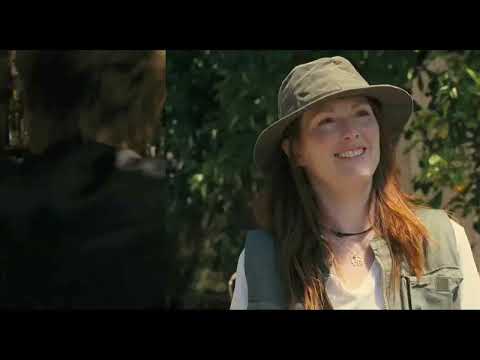
What happens when the perfect song turns a family dinner into an X-ray? Lisa Cholodenko’s The Kids Are All Right (2010) builds its most piercing moments on music: vintage Joni Mitchell cracking open a character, glam-era Bowie smirking from the stereo, and indie cuts doing quiet connective tissue work between generations. The soundtrack album bottles that cross-talk between eras, while Carter Burwell’s score keeps the pulse small, human, and close to the bone.
Burwell writes guitar-and-keys miniatures that “live in the same world as the pop songs,” steering clear of grand orchestral gestures. Around these cues, the film leans on a curated collage — MGMT, Tame Impala, Fever Ray, Leon Russell, X, Joni — that maps the household’s emotional weather. It’s less “wall-to-wall bangers,” more “taste with intent”: songs surface as identity, temptation, or a joke that suddenly stops being funny.
Styles & meanings, in phases: 70s singer-songwriter — vulnerability and self-myth; glam/alt rock — appetite, swagger, denial; blog-era indie/electro — the kids’ moving target of cool; chamber-lite score — the heartbeat under all that talk.
How It Was Made
Composer: Carter Burwell joined late in post and delivered an intimate, guitar-forward score “between acoustic and electric,” consciously aligning with the source songs rather than overpowering them. His brief: let the characters breathe — and let Joni’s gravity count.
Music supervision: Liza Richardson built the film’s song world with Cholodenko — a cross-generational mixtape released as The Kids Are All Right (Original Motion Picture Soundtrack) via Lakeshore Records in early July 2010. It’s a various-artists set (MGMT, David Bowie, Tame Impala, Fever Ray, Leon Russell, X, Uh Huh Her, Quadron, Joni Mitchell, more) sequenced to reflect the film’s emotional arc rather than literal chronology.

Tracks & Scenes
Selections below combine confirmed album cuts with fact-checked scene associations and a few marketing cues.
“Cousins” (Vampire Weekend)
- Where it plays:
- Opening credits: Laser skates with a friend; whip-smart guitars against SoCal pavement. Timestamp varies by edition (~0:02).
- Why it matters:
- Instant youth POV — nervy, bright, slightly obnoxious. The “kids” have their own soundtrack, and it’s fast.
“All I Want” (Joni Mitchell)
- Where it plays:
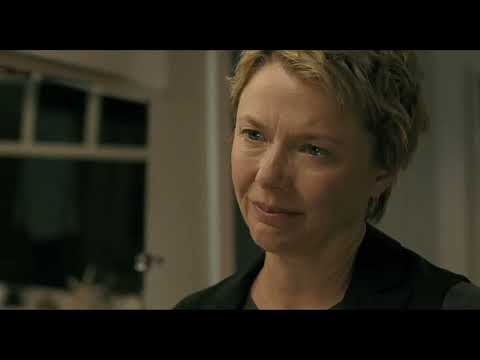
- Dinner at Paul’s. Nic (Annette Bening) finds Paul’s Blue LP and launches into an unguarded sing-along; the table goes quiet as admiration curdles into revelation.
- Why it matters:
- The film’s keystone: Joni as confessional mirror. It’s diegetic, character-driven, and devastating.
“Panic in Detroit” (David Bowie)
- Where it plays:
- Intimate scene at Paul’s place with Tanya; the needle-drop turns a fling into retro swagger.
- Why it matters:
- Desire in glam drag — a sonic costume that flatters Paul and flatters to deceive.
“The Youth” (MGMT)
- Where it plays:
- Prominent on the album; used in marketing/scene beds to underline the kids’ perspective.
- Why it matters:
- Floating optimism with a melancholic aftertaste — the teens’ widening horizon in three minutes.
“Sundown Syndrome” (Tame Impala)
- Where it plays:
- Montage ambience for summer-heat malaise; bikes, pools, glances not held long enough.
- Why it matters:
- Hazy, hypnotic, and ambivalent — like hanging on the edge of a decision.
“When I Grow Up” (Fever Ray)
- Where it plays:
- Needle-drop over transitional nocturnal imagery; suburban strangeness dialed up.
- Why it matters:
- Electro-folk uncanniness that hints at the film’s theme: growth is messy at any age.
“Out in the Woods” (Leon Russell)
- Where it plays:
- Laid-back drive/music-as-mood in an early act stretch; Paul’s earth-tone vibe in song form.
- Why it matters:
- Barn-floor grit that makes Paul feel “real” — part of the appeal, and the problem.
“The New World” (X)
- Where it plays:
- Edgy counterpoint under domestic friction; quick cut, quick temper.
- Why it matters:
- Punk-tinged reality check — sparks under the kitchen table politeness.
“Win” (David Bowie)
- Where it plays:
- Late-night reflection cue; candle-glow and persuasion.
- Why it matters:
- Slinky strings, soft sell — desire negotiating with conscience.
Score snapshots (Carter Burwell)
- Texture & theme:
- Short, intimate cues (guitars/keys/soft electronics) that “cleave to the Joni vibe” and sit inside dialogue — heard around family talks, solo drives, and post-reveal aftermaths.
- Function:
- Breathing room and subtext — never a lecture, always a nudge toward empathy.
Notes & Trivia
- The official soundtrack album is a various-artists set on Lakeshore Records (digital/CD, July 2010); Burwell’s score was not released as a standalone album.
- Music supervisor Liza Richardson has a radio-DJ pedigree; her crate-digging shapes the film’s cross-era personality.
- Burwell came aboard late and wrote/recorded quickly so the score could be woven around locked song licenses.
- Bowie appears twice on the album (“Black Country Rock,” “Win”) — glam bravado with very different emotional jobs.
- Joni Mitchell’s “All I Want” isn’t just background; it’s a scripted fulcrum that critics singled out as the film’s “breathtaking” turn.
Reception & Quotes
Reviews praised the film’s emotional intelligence — and often pointed to the dinner-table Joni moment as a coup of music-driven storytelling. The album drew kudos as a taste map that actually serves character.
“Burwell writes in the key of candor — small, guitar-warm cues that let the songs speak.” Composer profiles, 2010
“The Joni duet that turns solo is shattering.” Contemporary reviews, July 2010
“A cross-generational mixtape that feels lived-in.” Album blurbs
Interesting Facts
- Diegetic linchpin: The film’s most famous music moment happens on a turntable — not the soundtrack mix.
- Late swap: Burwell stepped in late in the process and tailored the score to the already-cleared songs.
- Two Bowies, two moods: One cut snarls (“Panic in Detroit” in-film); one seduces (“Win” on the album).
- Indie time capsule: MGMT and Tame Impala situate the kids squarely in 2010’s earbuds.
- Label notes: Lakeshore handled the album; digital street date hit the week of U.S. release.
Technical Info
- Title: The Kids Are All Right (Original Motion Picture Soundtrack)
- Year: 2010
- Type: Film songs compilation + original score (score unreleased as separate album)
- Composer (score): Carter Burwell
- Music supervision: Liza Richardson
- Label/album status: Lakeshore Records; digital/CD release July 2010
- Selected notable placements: Vampire Weekend “Cousins” (opening credits); Joni Mitchell “All I Want” (dinner-table sing-along); David Bowie “Panic in Detroit” (intimate scene); MGMT “The Youth”; Tame Impala “Sundown Syndrome”; Fever Ray “When I Grow Up”; Leon Russell “Out in the Woods”; X “The New World”
- Release context: U.S. theatrical July 9, 2010 (Focus Features)
- Availability: Album streaming widely; individual songs also available on artist releases/playlists
Questions & Answers
- Who composed the score — and what does it sound like?
- Carter Burwell. Small, guitar-led cues that sit with the songs instead of overpowering them.
- Is there an official soundtrack album?
- Yes — a various-artists set on Lakeshore Records. Burwell’s score cues weren’t issued as a standalone album.
- What’s the dinner-table song everyone talks about?
- Joni Mitchell’s “All I Want,” played on Paul’s turntable — and sung, painfully, by Nic.
- Which track opens the movie?
- Vampire Weekend’s “Cousins,” over Laser’s skateboarding — a kinetic, youthful start.
- Are Bowie songs really in this?
- Yes. “Panic in Detroit” appears in-film; “Black Country Rock” and “Win” are on the album.
Key Contributors
| Subject | Relation | Object |
|---|---|---|
| Carter Burwell | composed | Original score for The Kids Are All Right |
| Liza Richardson | music supervision | The Kids Are All Right (film) |
| Lakeshore Records | released | The Kids Are All Right (Original Motion Picture Soundtrack) |
| Lisa Cholodenko | co-wrote & directed | The Kids Are All Right (2010) |
| Focus Features | released | U.S. distribution (2010) |
| Vampire Weekend | performed | “Cousins” (opening credits) |
| Joni Mitchell | performed | “All I Want” (diegetic dinner scene) |
| David Bowie | performed | “Panic in Detroit”; “Black Country Rock”; “Win” |
| MGMT | performed | “The Youth” |
| Tame Impala | performed | “Sundown Syndrome” |
Sources: Apple Music album page; Discogs release page (label/credits); Carter Burwell’s project notes; Focus Features interview with music supervisor Liza Richardson; IMDb Soundtracks & Full Credits; reputable scene-by-scene listings and contemporary reviews citing the dinner-table Joni moment; Official trailer on YouTube.
November, 28th 2025
A-Z Lyrics Universe
Cynthia Erivo Popular
Ariana Grande Horsepower
Post Malone Ain't No Love in Oklahoma
Luke Combs Good Riddance (Time of Your Life)
Green Day Bye Bye Bye
*NSYNC You're the One That I Wan
John Travolta & Olivia Newton-John I Always Wanted a Brother
Braelyn Rankins, Theo Somolu, Kelvin Harrison Jr. and Aaron Pierre The Power of Love
Frankie Goes to Hollywood Beyond
Auli’i Cravalho feat. Rachel House MORE ›