
"The Majestic" Soundtrack Lyrics
Movie • 2001
Track Listing
The Spencer Wyatt Big Band
Nat King Cole
The Spencer Wyatt Big Band
The Spencer Wyatt Big Band
Jim Cox
The Mills Brothers
Jim Cox
The Spencer Wyatt Big Band
Jim Cox
Chet Baker
Nat King Cole
Mark Isham
Mark Isham
And the Magic
"The Majestic (Original Motion Picture Soundtrack)" – Album Guide to Tracks and Key Scenes
Review
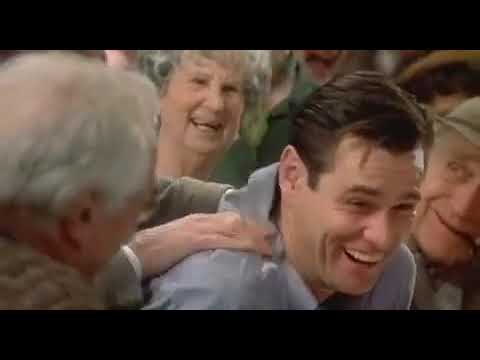
Can a movie about a movie theater make you hear America? Frank Darabont’s The Majestic answers by draping a small-town fable in mid-century songs and Mark Isham’s silvery brass/strings — nostalgic yet alert, like a marquee buzzing back to life. The story follows blacklisted screenwriter Peter Appleton (Jim Carrey), who washes ashore with amnesia and is embraced by Lawson, California, as a long-lost war hero. The soundtrack becomes the town’s pulse: jukebox swing, crooner warmth, and gentle jazz standards soften suspicion and make space for decency.
Isham’s score doesn’t grandstand. It glides — muted trumpet, lyrical winds, tender piano — building a moral arc from doubt to conviction. Vintage sides — Nat King Cole, The Mills Brothers, Chet Baker — do character work: they sell the era’s optimism while hinting at its denial. When the theater reopens and the community gathers, the music functions like civic glue; when politics intrudes, Isham’s themes turn steadier, almost devotional. The album plays like a memory being restored.
Genres & themes, in phases: big-band swing — community ritual; traditional pop — romance and home; cool-jazz ballads — introspection and moral weather; orchestral Americana — idealism under trial. That blend is the film’s secret: sentiment with a spine.
How It Was Made
Composer Mark Isham wrote the original score to sit beside licensed period tracks rather than compete with them, selecting spare motifs (“The Bridge,” “Luke and Adele,” “The Majestic and the Magic”) that could thread between radio cues and diegetic music in the theater. Hollywood Records issued the soundtrack in December 2001, mixing Isham’s cues with standards like “Orange Colored Sky,” “Paper Doll,” and Chet Baker’s “Over the Rainbow.” Clearance favored recordings that felt like what small-town California might spin in 1951; the album sequencing mirrors the film’s move from bustle to reflection.

Tracks & Scenes
“Orange Colored Sky” (Nat King Cole)
- Where it plays:
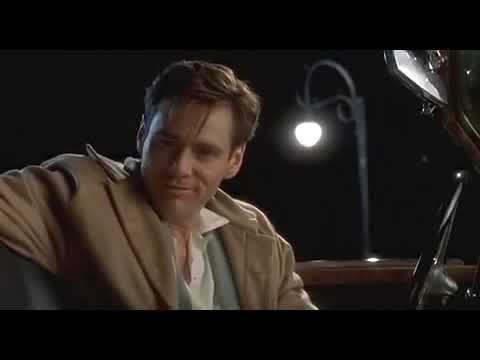
- Opening stretch in Hollywood: Peter cruises in his convertible at night with the radio on. Neon, studio talk, and a career on the cusp; the tune crackles through the dash speaker — fully diegetic — before fate swerves him toward Lawson. Approx. early minutes, brief needle-drop.
- Why it matters:
- Effervescent swing sets a confident “pre-fall” mood. The lyric’s comic shock (“flash, bam, alakazam!”) foreshadows the accident and his identity shake-up.
“Boogie Woogie Stomp” (Jim Cox, after Albert Ammons)
- Where it plays:
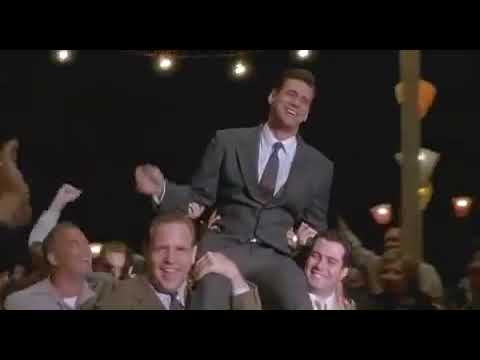
- Town festivities and theater-revival energy. Peter hammers a roadhouse boogie on piano — diegetic performance — as Lawson rallies around the Majestic. The piece’s rolling left hand spills into cheers and chatter; townsfolk clock how unlike “Luke” this style feels. Mid-film, a few minutes.
- Why it matters:
- It’s the musical “tell” that Peter isn’t Luke; rhythm and identity collide. The exuberant stride underscores a community waking up.
“Paper Doll” (The Mills Brothers)
- Where it plays:
- A period radio/lobby source during the Majestic’s bustling return, heard as diegetic ambience under greetings and popcorn scoops. It’s a soft-focus needle-drop that situates the audience in 1940s-50s harmony culture.
- Why it matters:
- Vocal blend equals communal blend — the lyric about safety and surface love mirrors Peter’s temptation to accept a convenient persona.
“Over the Rainbow” (Chet Baker)
- Where it plays:
- A reflective interlude edges into non-diegetic underscore as Peter weighs conscience versus comfort. Cool-jazz trumpet turns the Wizard of Oz staple into homesick longing — a bridge between golden-age fantasy and his adult reckoning.
- Why it matters:
- It reframes yearning: not for elsewhere, but for the courage to be seen truly. A classic dream-song becomes a moral compass.
Score cues: “The Bridge,” “Luke and Adele,” “The Majestic and the Magic” (Mark Isham)
- Where they play:
- Motivic pillars throughout: “The Bridge” introduces fragile connection; “Luke and Adele” warms into the love story; “The Majestic and the Magic” crowns the theater’s restoration and Peter’s stand. Non-diegetic, recurring.
- Why they matter:
- Economy and glow. Isham’s muted trumpet and strings let the licensed songs do period work while the score carries conviction.
Notes & Trivia
- “Orange Colored Sky” is a documented on-screen listen for Peter — an era-true radio bopper to start the story.
- Piano boogie at the Lawson festivities doubles as plot clue: Emmett remarks Luke wasn’t a boogie-woogie guy.
- Hollywood Records issued the soundtrack the week of the film’s premiere, pairing standards with Isham’s score selections.
- The Mills Brothers’ “Paper Doll” had an unusually long pop-culture tail and appears here to lock in the period vibe.
- Fans often ask about the trailer music; the film leans on standards rather than bespoke trailer cues.
Reception & Quotes
Critics split on the film’s earnest throwback tone, but most praised how music and setting cocoon the story. The album plays well on its own — a curated postcard of American popular song with a quietly luminous Isham core.
“It flies the flag… and evokes nostalgia for small-town movie palaces.” Roger Ebert
“Goodness and decency… turned into themes so tedious.” Kenneth Turan, Los Angeles Times
Availability: Original CD release by Hollywood Records (December 2001). Select cuts circulate on major services; complete physical editions surface via collectors and catalog retailers.
Interesting Facts
- Capra echo: Darabont wanted a modern Capraesque moral fable; the music follows suit — idealistic but not syrupy.
- Radio realism: Source cues are often “in-room” — radios, lobby speakers, and dance floors — to keep us grounded in Lawson.
- Trumpet as conscience: Isham’s muted trumpet motif stands in for Peter’s inner voice: soft, persistent, clarifying.
- Song as tell: Boogie-woogie phrasing is used as a plot device to question identity.
- Standard refresh: Chet Baker’s “Over the Rainbow” is deployed not as nostalgia, but as adult yearning.
Technical Info
- Title: The Majestic (Original Motion Picture Soundtrack)
- Year: 2001
- Type: Film Soundtrack & Score (album)
- Composer: Mark Isham
- Key licensed recordings: Nat King Cole (“Orange Colored Sky”, “I Remember You”); The Mills Brothers (“Paper Doll”); Chet Baker (“Over the Rainbow”); big-band cues; boogie-woogie piano features
- Label/album status: Hollywood Records, original CD release; catalog availability varies by territory
- Release context: Coincided with U.S. theatrical release (December 2001)
- Notable placements: Opening car-radio needle-drop; boogie-woogie festival performance; lobby/radio ambience during reopening; recurring Isham love theme
- Studios/production: Castle Rock Entertainment; Village Roadshow; Warner Bros. (distribution)
Key Contributors
| Entity | Relation |
|---|---|
| Mark Isham | Composer — scored the film and album cues (“The Bridge,” “Luke and Adele,” “The Majestic and the Magic”) |
| Nat King Cole | Recording artist — “Orange Colored Sky,” “I Remember You” licensed for the soundtrack |
| The Mills Brothers | Recording artists — “Paper Doll” licensed for the soundtrack |
| Chet Baker | Recording artist — “Over the Rainbow” licensed for the soundtrack |
| Frank Darabont | Director/Producer — guided music tone to Capra-style Americana |
| Hollywood Records | Label — issued the soundtrack album |
| Castle Rock Entertainment | Studio — produced the film |
| Warner Bros. Pictures | Distributor — released the film theatrically |
Questions & Answers
- Is the soundtrack mostly songs or score?
- A blend: vintage pop/big-band recordings plus Isham’s original cues that knit scenes together.
- Which song is playing when Peter is driving in Hollywood?
- Nat King Cole’s “Orange Colored Sky,” heard as an in-car radio needle-drop early on.
- What’s the boogie-woogie piano piece in the town festivities?
- “Boogie Woogie Stomp” (piano performance), used diegetically during Lawson’s revival energy.
- Are Isham’s themes available outside the film?
- Yes — selections like “The Bridge,” “Luke and Adele,” and “The Majestic and the Magic” appear on the album and in official score selections online.
- Was the album released with the movie?
- Yes — Hollywood Records issued it in December 2001 alongside the U.S. release.
Sources: AllMusic; Discogs; Hollywood Records catalog listings; Roger Ebert review; Los Angeles Times review; Wikipedia film & song entries; Jim Carrey fan archive; SoundtrackCollector; SoundCloud/official score selections.
November, 28th 2025
A-Z Lyrics Universe
Cynthia Erivo Popular
Ariana Grande Horsepower
Post Malone Ain't No Love in Oklahoma
Luke Combs Good Riddance (Time of Your Life)
Green Day Bye Bye Bye
*NSYNC You're the One That I Wan
John Travolta & Olivia Newton-John I Always Wanted a Brother
Braelyn Rankins, Theo Somolu, Kelvin Harrison Jr. and Aaron Pierre The Power of Love
Frankie Goes to Hollywood Beyond
Auli’i Cravalho feat. Rachel House MORE ›