
"The Mystery of Edwin Drood" Soundtrack Lyrics
Musical • 1995
Track Listing
"The Mystery of Edwin Drood (Original Broadway Cast Recording — 1995 Varèse Reissue)" – Album Guide to Tracks and Key Scenes
Review
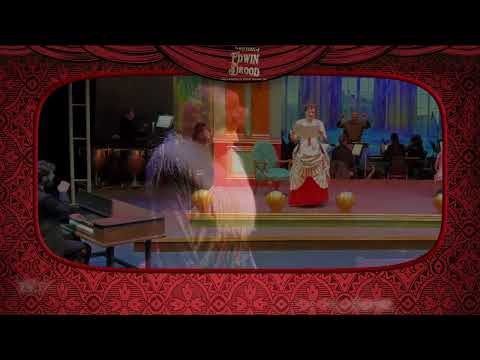
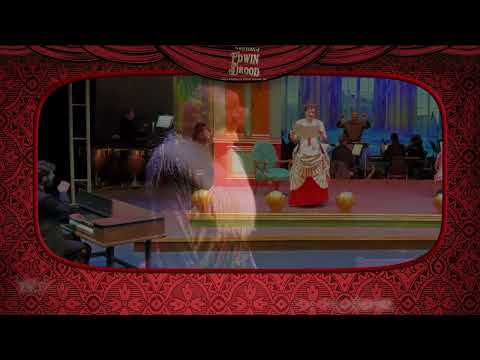
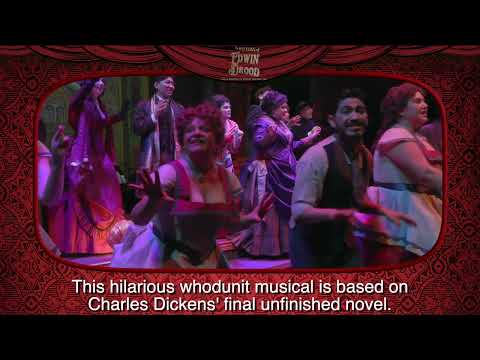
Whodunnit… on vinyl? Rupert Holmes’ The Mystery of Edwin Drood turns a Dickens fragment into a rollicking music-hall where the audience decides the ending. The 1995 Varèse Sarabande reissue distills that chaos into a brisk, theatrical listen — crisp patter, soaring ballads, and wink-heavy choruses that still invite you to “vote” in your head.
As an album, it sizzles: George Rose’s Chairman emcees with benevolent mischief; Howard McGillin’s Jasper slides from velvet baritone to fever; and the music hall company keeps the stomp going until the confessions land. Holmes’ score swings from parlor lyricism (“Moonfall”) to pub-bench rowdiness (“Off to the Races”) to tongue-twisting patter (“Both Sides of the Coin”). The reissue trims the choose-your-own sprawl of the 1986 CD but restores essential ensemble color — it plays like a tight night out at the Royale.
Genres & themes, in phases: music-hall pastiche — communal play; romantic Victorian ballad — yearning with bite; patter & counterpoint — puzzle-box storytelling; mock-grand finale — democracy with a drumroll.
How It Was Made
Holmes wrote book, music, and lyrics; the show premiered in 1985 and won the Tony for Best Musical. The original cast album first appeared on Polydor (1986) with multiple “alternates” (five Datchery reveals and seven murderer confessions). In 1995, Varèse Sarabande reissued the recording (catalog VSD-5597) as a 21-track program overseen by Holmes, restoring show pieces (“Ceylon,” “Moonfall Quartet”) while paring the alternates to a representative set (Bazzard’s “Out on a Limerick” and confessions by Jasper, Rosa, and Puffer). The reissue’s sequencing is album-friendly without losing the show’s vote-driven DNA.
Tracks & Scenes
“There You Are” (Company, led by The Chairman)
- Where it plays:
- House lights up on the Music Hall Royale. The troupe greets the audience and sets the rules: we’re all accomplices tonight.
- Why it matters:
- Instant contract — the Chairman’s charm and the music-hall stomp tell you this mystery will be solved with laughter.
“A Man Could Go Quite Mad” (John Jasper)
- Where it plays:
- Jasper’s private obsession cracks the veneer. He confesses a darkness under cathedral respectability.
- Why it matters:
- Holmes’ character sketch in patter and panic; McGillin makes menace seductive.
“Two Kinsmen” (Jasper & Edwin)
- Where it plays:
- Uncle and nephew pledge friendship before fate intervenes.
- Why it matters:
- The tune that makes the disappearance sting; the album’s warmth before the storm.
“Moonfall” → “Moonfall Quartet” (Rosa; then Rosa with ensemble)
- Where it plays:
- Rosa sings Jasper’s “lesson” song, feeling the trap inside its beauty; the later quartet wraps that melody in social pressure.
- Why it matters:
- Victorian romance bent into something uncomfortably intimate — the album’s most haunting set.
“The Wages of Sin” (Princess Puffer)
- Where it plays:
- Smoke and sawdust in Puffer’s den; warning masked as cabaret.
- Why it matters:
- A mezzo wallop that doubles as ethos: choices add up, darling.
“Ceylon” (Neville, Helena & Company)
- Where it plays:
- Entrance of the Landless twins, outsiders with heat and history.
- Why it matters:
- Exoticized by design — and restored on the 1995 CD after being absent from the earlier CD issue.
“Both Sides of the Coin” (Mayor Sapsea & Jasper)
- Where it plays:
- Patter duet of hypocrisy; civic pride meets private vice.
- Why it matters:
- Holmes’ Gilbert-and-Sullivan tilt — verbal fireworks with plot shrapnel.
“No Good Can Come from Bad” (Ensemble at the table d’hôte)
- Where it plays:
- Dinner becomes cross-examination; rivals circle.
- Why it matters:
- Counterpoint of suspicion — everyone looks guilty if you squint.
“An English Music Hall” → “Off to the Races” (Company)
- Where it plays:
- Act II romp that re-primes the audience; then a breakneck novelty turns the stage into a betting parlor.
- Why it matters:
- Pure pastiche joy — the album’s grin-widener.
“Don’t Quit While You’re Ahead” (Company)
- Where it plays:
- Right before voting. The Chairman nudges the crowd to choose carefully.
- Why it matters:
- Meta-musical suspense on record — you can almost hear the hands going up.
“Out on a Limerick” (Bazzard) — Dick Datchery reveal
- Where it plays:
- Bazzard finally gets his moment in the gaslight.
- Why it matters:
- The 1995 CD keeps one Datchery number (Bazzard’s), a tasteful nod to the show’s branching paths.
Murderer’s Confessions (Jasper / Rosa / Puffer)
- Where it plays:
- Depending on the audience vote, one culprit sings the truth (or a version of it).
- Why it matters:
- The reissue retains three confession tracks — a sampler of comic and serious resolutions.
Notes & Trivia
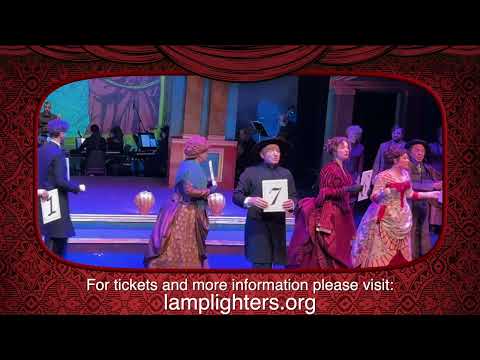
- The show (aka Drood) was Broadway’s first musical to let the audience pick the ending — murderer, Datchery, and the lovers.
- Polydor’s 1986 CD contained five Datchery alternates and seven confession tracks plus a Chairman “how-to” — essentially a home kit for “voting.”
- Varèse’s 1995 reissue (VSD-5597) restores “Ceylon” and “Moonfall Quartet” and pares the alternates to a representative set for better album flow.
- The cast album features George Rose (Chairman), Howard McGillin (Jasper), Betty Buckley (Alice Nutting/Edwin), Cleo Laine (Puffer), and more.
- Australian cast album (1994) exists with a different song complement — useful for collectors seeking cut/alternate material.
Reception & Quotes
The musical won five Tony Awards including Best Musical; the cast recording has remained a connoisseur favorite for its theater-of-the-mind gameplay and Holmes’ tuneful craft.
“Varèse’s 1995 CD… a smart, Holmes-approved program — restores color, keeps the fun.” The Second Disc
Availability: The 1995 Varèse CD appears regularly on the secondary market; digital availability today typically uses the earlier 1986 program. Libraries and cast-album dealers often list both.
Interesting Facts
- DIY finale: Early CDs literally instructed listeners to program the “right” tracks after voting at home.
- Counterpoint craft: Holmes writes gleeful patter and music-hall choruses with G&S sparkle.
- Role-swapping: Edwin is played by a woman (Betty Buckley on Broadway) — a built-in music-hall gag.
- Record-collector note: The 1986 and 1995 CDs differ notably; many fans keep both for alternates vs. restored ensemble cuts.
- Global curiosity: The 1994 Australian recording includes numbers not heard on the U.S. CD configurations.
Technical Info
- Title: The Mystery of Edwin Drood (Original Broadway Cast Recording) — 1995 Varèse Sarabande reissue
- Year: 1995 (reissue of the 1986 Polydor original)
- Type: Musical theatre cast recording
- Composer/Lyricist/Book: Rupert Holmes
- Principal performers: George Rose; Howard McGillin; Betty Buckley; Cleo Laine; Patti Cohenour; Jana Schneider; more
- Label: Varèse Sarabande (VSD-5597); original: Polydor (1986)
- Notable reissue choices: “Ceylon” and “Moonfall Quartet” restored; Bazzard’s “Out on a Limerick” retained; three murderer confessions (Jasper, Rosa, Puffer)
- Awards (show): Tony Awards — Best Musical, Best Book, Best Score (1986 season)
Key Contributors
| Entity | Relation |
|---|---|
| Rupert Holmes | Composer–Lyricist–Book; album producer on original issue; oversaw 1995 program notes |
| George Rose | The Chairman — master of ceremonies on recording |
| Howard McGillin | John Jasper — signature baritone turns |
| Betty Buckley | Alice Nutting/Edwin Drood — breeches-role star turn |
| Cleo Laine | Princess Puffer — cabaret gravitas |
| Varèse Sarabande | Label — 1995 reissue (VSD-5597) |
| Polydor | Label — 1986 original CD with alternates |
Questions & Answers
- What’s special about the 1995 Varèse reissue?
- Holmes supervised a leaner 21-track flow that restores “Ceylon” and “Moonfall Quartet” while keeping a sample of the choose-your-ending material.
- Does the album include all the audience-vote endings?
- No. The original 1986 CD had many alternates; the 1995 disc retains Bazzard’s Datchery song and three confessions (Jasper, Rosa, Puffer).
- Where should a new listener start?
- Play “There You Are,” “A Man Could Go Quite Mad,” “Moonfall,” “Both Sides of the Coin,” and the Confession tracks — you’ll get the show’s full flavor.
- Is there another notable recording?
- Yes — a 1994 Australian cast album with a different song selection; collectors often seek both.
- Is the musical really interactive?
- Yes. In performance, the audience votes on key plot points; the album nods to this with alternate confession/Datchery cuts.
Sources: Wikipedia (musical overview & recordings); The Second Disc (reissue history); CastAlbums database; Discogs master/pressings; library/catalog listings; Spotify/Apple listings; YouTube promotional trailers (for visual context).
November, 28th 2025
A-Z Lyrics Universe
Cynthia Erivo Popular
Ariana Grande Horsepower
Post Malone Ain't No Love in Oklahoma
Luke Combs Good Riddance (Time of Your Life)
Green Day Bye Bye Bye
*NSYNC You're the One That I Wan
John Travolta & Olivia Newton-John I Always Wanted a Brother
Braelyn Rankins, Theo Somolu, Kelvin Harrison Jr. and Aaron Pierre The Power of Love
Frankie Goes to Hollywood Beyond
Auli’i Cravalho feat. Rachel House MORE ›