Soundtracks:  A B C D E F G H I J K L M N O P Q R S T U V W X Y Z #


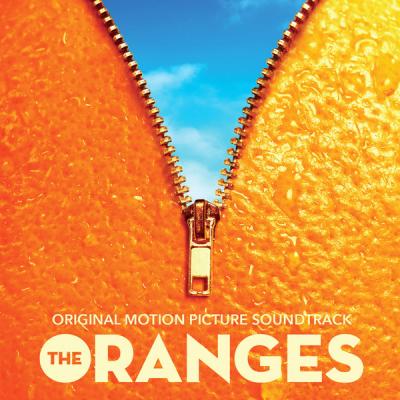
The Oranges Album Cover

"The Oranges" Soundtrack Lyrics

Movie • 2012

Track Listing


"The Oranges (Original Motion Picture Soundtrack)" – Album Guide to Tracks and Key Scenes

Official trailer still for The Oranges (2012) showing the Walling and Ostroff families at odds
The Oranges — song-forward compilation with a light original score thread, 2012

Review

What does suburban scandal sound like? In The Oranges, it’s indie sunshine with frost at the edges. The soundtrack leans on bright, melodic cuts (Treefight for Sunlight, The Submarines, Zee Avi, Frazey Ford), seasonal standards (Dean Martin, Darlene Love), and a handful of score cues by Klaus Badelt & Andrew Raiher. The vibe: leafy-street pop that keeps smiling while the neighborhood burns a little.

The mixtape pacing mirrors the film’s arc — meet-cute warmth; middle-act unraveling; a wintry reckoning — with pop confections that make the awkward go down easy. Badelt/Raiher drop in just enough score to underline reversals and a late, conflicted sprint (“Bag Fight”), but the songs do most of the character work: charm versus consequence, nostalgia versus mess.

Genres & themes, in phases: Scandi-bounce & twee-pop — denial and flirt; alt-folk confession — cracks show; holiday chestnuts — irony and family ritual; light thriller score — secrets collide.

How It Was Made

Directed by Julian Farino, the film premiered at TIFF 2011 and opened in the U.S. in 2012. The producers built a song-driven palette around contemporary indie and evergreen holiday sides, then brought in Klaus Badelt with Andrew Raiher for connective score cues. Relativity Music Group released the official soundtrack album in early October 2012, packaging the key songs plus one Badelt/Raiher piece.

Trailer frame: crisp suburban streets and fall leaves set to breezy indie pop
Indie-pop first, with Badelt/Raiher adding a light score spine.

Tracks & Scenes

“Facing the Sun” (Treefight for Sunlight)

Where it plays:
Early in the film over neighborhood establishing shots and cheerful routines that will be upended. Non-diegetic opener energy.
Why it matters:
Sets the tone: bright, bouncy, slightly too perfect — the mask the story will peel back.

“Lay Down With You” (Frazey Ford)

Where it plays:
Intimate, indecisive moments between leads as lines blur. Non-diegetic, mid-early montage.
Why it matters:
Folk-soul warmth that sells temptation without villainizing it.

“Shoelaces” (The Submarines)

Where it plays:
Montage of secret texts/errands and nervous smiles; suburban choreography in miniature. Non-diegetic, mid-film.
Why it matters:
Sugary indie-pop as cover for chaos — the film’s sonic poker face.

“Sweet Defeat” (Jon Allen)

Where it plays:
After a confrontation, as consequences land and friendships wobble. Non-diegetic, later second act.
Why it matters:
Bittersweet lyric that reframes the affair as loss rather than thrill.

“You Hung the Moon” (Schuyler Fisk)

Where it plays:
Quiet domestic beats — two kitchens, two households making separate peace. Non-diegetic.
Why it matters:
Earnest, small-scale healing song that gives the neighbors back their humanity.

“Bitter Heart” (Zee Avi)

Where it plays:
Brisk transitional scene-work as gossip spreads and alliances shift. Non-diegetic, mid-film connective tissue.
Why it matters:
Twee with bite — perfect for smiles that don’t reach the eyes.

“We Can’t Stay Here” (The Grand Nationals)

Where it plays:
Driving sequence following an argument — a temporary escape that doesn’t solve anything. Non-diegetic.
Why it matters:
The lyric literalizes the plot: running doesn’t change the zip code of your problems.

“Baby, It’s Cold Outside” (Dean Martin — 2011 remaster)

Where it plays:
Holiday party ambience as seasonal décor collides with interpersonal frost. Mostly diegetic/background.
Why it matters:
Classic croon as ironic wallpaper — cheerful on top, awkward underneath.

“Winter Wonderland” (Darlene Love)

Where it plays:
Another holiday moment: twinkle lights, yard décor, forced smiles. Source/background.
Why it matters:
Phil Spector sparkle as suburban satire — the “perfect” season framing imperfect choices.

“Perfect Timing (This Morning)” (Orba Squara)

Where it plays:
Morning reset after fallout; coffee, apologies, and next steps. Non-diegetic, late film.
Why it matters:
Handclap lightness that gently nudges the story toward resolution.

“Come Home” (The Grand Nationals)

Where it plays:
Reconciliation-tinged montage and pre-credits grace note. Non-diegetic.
Why it matters:
Title-as-thesis — after the mess, people still choose where to belong.

Score cue: “Bag Fight” (Klaus Badelt & Andrew Raiher)

Where it plays:
Late-story scramble when plans collide — brisk strings, percussion nudges, a comedic-urgent pulse. Non-diegetic score.
Why it matters:
Signals the album’s shift from pure mixtape to lightly adrenalized score finish.
Trailer frame: holiday lights over Essex County suburbia while indie-pop plays
Tracks & scenes — bright indie, ironic carols, and one lean score burst.

Notes & Trivia

  • The film’s original score is by Klaus Badelt with Andrew Raiher; the commercial album focuses mostly on songs with one score cue included.
  • Relativity Music Group released the soundtrack in early October 2012 to coincide with the U.S. rollout.
  • Holiday standards by Dean Martin and Darlene Love double as comedic counterpoint to neighborhood drama.
  • Streaming editions may show minor track-count differences by platform; the official release configuration lists a 12-track program.

Reception & Quotes

Reviews tended to be warmer on the soundtrack than on the film itself, calling the selections “chipper, well-curated indie pop” that offsets the story’s awkwardness. The seasonal cuts drew frequent notice as smartly ironic needle-drops.

“A suburban scandal scored like a sunshine mix.” Album write-ups & listings
“Holiday oldies as comic foil — the music winks while the neighbors wince.” Critic roundups

Availability: Digital/streaming via major platforms; CD/digital issued by Relativity Music Group (Oct 2012). Tracks also appear on artist albums/EPs.

Trailer frame: drive-by of tidy houses as a jangly cue bridges to the next scene
Reception & legacy — a pleasant listen with sharp, seasonal edges.

Interesting Facts

  • Scandi sparkle: Opening cut “Facing the Sun” (Treefight for Sunlight) sets a Scandinavian indie tone for a very New Jersey story.
  • Score-to-song ratio: Badelt/Raiher’s cues are used sparingly on album; in-film, they stitch together scene changes and the late scramble.
  • Holiday irony: Using Dean Martin and Darlene Love underscores how rituals continue even as relationships detour.
  • Grand Nationals double-play: Two tracks by The Grand Nationals bookend the mid-to-late film mood shifts.
  • TIFF to fall release: Premiered 2011, but the soundtrack landed with the 2012 U.S. theatrical opening.

Technical Info

  • Title: The Oranges (Original Motion Picture Soundtrack)
  • Year: 2012 (U.S. release)
  • Type: Songs compilation with select original score
  • Composers (score): Klaus Badelt; Andrew Raiher
  • Label/Album: Relativity Music Group — 12 tracks (official configuration)
  • Selected notable placements: Treefight for Sunlight — “Facing the Sun” (opening); The Submarines — “Shoelaces” (secret-montage energy); Zee Avi — “Bitter Heart” (gossip spreads); Dean Martin — “Baby, It’s Cold Outside” (holiday party); Darlene Love — “Winter Wonderland” (seasonal décor); Orba Squara — “Perfect Timing” (morning reset); The Grand Nationals — “We Can’t Stay Here” & “Come Home”; Badelt/Raiher — “Bag Fight” (late scramble)
  • Release context: TIFF 2011 premiere; U.S. theatrical release Oct 2012

Key Contributors

EntityRelation
Klaus Badelt; Andrew RaiherComposers — original score
Relativity Music GroupLabel — soundtrack release
Julian FarinoDirector — guided placement and tone
ATO PicturesU.S. Distributor
FilmNation Entertainment; Olympus Pictures; Likely StoryProduction companies
Featured artistsTreefight for Sunlight; Frazey Ford; The Submarines; Jon Allen; Schuyler Fisk; Zee Avi; The Grand Nationals; Dean Martin; Darlene Love; Orba Squara

Questions & Answers

Who composed the score?
Klaus Badelt with Andrew Raiher.
What label released the soundtrack?
Relativity Music Group, timed to the 2012 U.S. release.
How many tracks are on the album?
The official configuration lists 12 tracks; some platforms display slight variations.
Are the Christmas songs in the movie?
Yes — Dean Martin’s “Baby, It’s Cold Outside” and Darlene Love’s “Winter Wonderland” appear during holiday scenes.
What’s the one score cue on the album?
“Bag Fight,” by Klaus Badelt & Andrew Raiher — a brisk late-film set piece.

Sources: FilmMusicReporter (composer & album details); Apple Music and Spotify listings (track program); Wikipedia (film credits, composers, release timeline); IMDb soundtrack page (song confirmations); Ringtostrack & soundtrack databases (holiday cuts); official trailers (for Video ID and marketing placements).

November, 28th 2025

'The Oranges' is an American romantic comedy directed by Julian Farino. Learn more: Wikipedia, IMDb
A-Z Lyrics Universe

Lyrics / song texts are property and copyright of their owners and provided for educational purposes only.