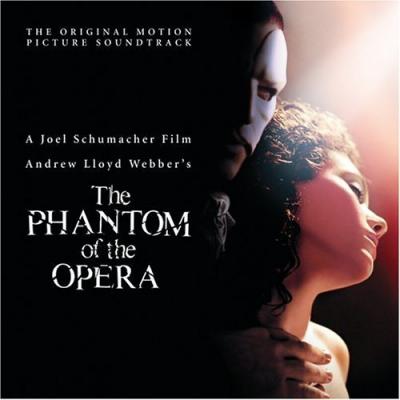
"The Phantom of the Opera" Soundtrack Lyrics
Musical • 2004
Track Listing
Phantom of the Opera Cast
Phantom of the Opera Cast
Phantom of the Opera Cast
Phantom of the Opera Cast
Phantom of the Opera Cast
Phantom of the Opera Cast
Phantom of the Opera Cast
Phantom of the Opera Cast
Phantom of the Opera Cast
Phantom of the Opera Cast
Phantom of the Opera Cast
Phantom of the Opera Cast
Phantom of the Opera Cast
Phantom of the Opera Cast
Phantom of the Opera Cast
"The Phantom of the Opera (Original Motion Picture Soundtrack)" – Album Guide to Tracks and Key Scenes
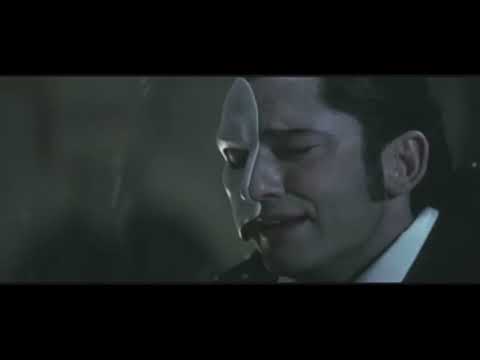
Review
How do you translate a stage-bound fever dream into cinema without losing its breath? The 2004 Phantom soundtrack answers by leaning into film-scale intimacy — close-mic voices, cavernous reverb, and a glossy orchestral bed that favors romance over horror. Andrew Lloyd Webber produces a version of his own score that’s smoother, slower, and camera-ready, spotlighting Emmy Rossum’s luminous soprano against Gerard Butler’s rock-rough baritone and Patrick Wilson’s classic leading-man tenor.
The album’s arc preserves the musical’s operatic push–pull: spectacle and secrecy, public performance and underground seduction. Orchestrations bloom wider than the pit-band tradition, choir shines in key tableaux, and the new end-credits single, “Learn to Be Lonely,” reframes the story’s ache in pop-miniature. Purists may miss stage bite; newcomers will hear a sumptuous, cinematic love triangle.
Genres & themes in phases: grand romanticism — velvet strings for obsession; gothic pop — rock grit as danger signal; operetta pastiche — the onstage world within the world; elegiac balladry — grief and goodbye. The result is a plush movie-musical canvas where melody carries the mask.
How It Was Made
Composer/producer: Andrew Lloyd Webber oversees and produces, with fresh film orchestrations (notably by David Cullen). Sessions feature Simon Lee conducting, and the London Oratory Boys Choir providing treble sheen. The soundtrack arrived via Sony in late November 2004 in two editions: a concise single disc and a two-disc deluxe set. Minnie Driver plays diva Carlotta on screen; her operatic vocals are dubbed by Margaret Preece, while Driver herself sings the brand-new credits song “Learn to Be Lonely.”
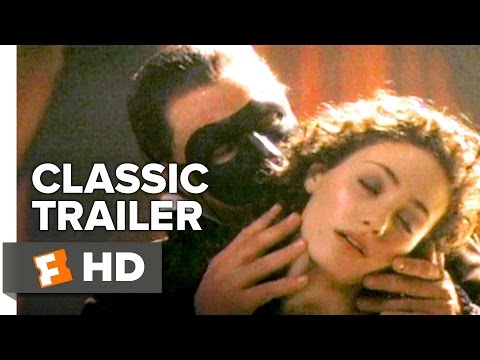
Tracks & Scenes
“Think of Me” (Christine, Company)
- Where it plays:
- Act I gala: after Carlotta storms off, Christine steps from chorus to star. The camera tracks from wings to footlights; Raoul watches, entranced. Non-diegetic performance-as-story inside the opera house; early film.
- Why it matters:
- Heroine revealed. Rossum’s clarity and the recording’s close-mic mix sell the transformation.
“Angel of Music” → “Little Lotte / The Mirror” (Christine, Meg, Raoul, Phantom)
- Where it plays:
- Backstage dressing room: whispers about Christine’s mysterious tutor gather into a mirror-lit visitation. The Phantom’s voice folds into the room like fog. Diegetic-to-non-diegetic bleed; early act I.
- Why it matters:
- Sets the film’s intimate horror-romance tone — close vocals, breath, and hush.
“The Phantom of the Opera” (Christine, Phantom)
- Where it plays:
- Iconic descent to the lair by candlelit gondola. The camera floats as organ, synth, and choir ascend. Non-diegetic musical fantasy anchored in physical movement; first third.
- Why it matters:
- Gothic pop at peak voltage — rock undercurrent meets operatic line.
“The Music of the Night” (Phantom)
- Where it plays:
- In the lair: seduction-by-song. The arrangement leans warmer than stage tradition; strings cradle a close vocal take. Late act I.
- Why it matters:
- Defines the film’s Phantom — more brooding crooner than bel canto terror.
“Notes / Prima Donna” (Firmin, André, Carlotta, Company)
- Where it plays:
- Managerial crisis aria: letters from the Opera Ghost, diva ultimatums, and comic polyphony in the office’s gold filigree. Mid act I.
- Why it matters:
- Shows the movie’s ensemble machine — overlapping lines cleanly captured on a wide stereo stage.
“All I Ask of You” (Christine, Raoul) & Reprise (Phantom)
- Where it plays:
- Rooftop of the Opéra Populaire: moonlit vows; later the Phantom, hidden among statues, answers with a wounded reprise as the chandelier flares. Late act I.
- Why it matters:
- One of the score’s evergreen melodies; the reprise is the character dagger.
“Masquerade” (Company)
- Where it plays:
- Grand staircase tableau on New Year’s: monochrome masks and mirrored choreography. Camera cranes through dancers, then shatters the mood with a red-cloaked intruder. Early act II.
- Why it matters:
- Spectacle track — chorus, percussion, and spatial recording flex.
“Wishing You Were Somehow Here Again” (Christine)
- Where it plays:
- Cemetery in winter: Christine pleads at her father’s tomb; snow and statuary frame the aria. Mid act II.
- Why it matters:
- Rossum’s lyric soprano + lush strings = the film’s emotional fulcrum.
“The Point of No Return” (Phantom, Christine)
- Where it plays:
- Onstage within the Phantom’s Don Juan: masked seduction becomes public unmasking as Raoul closes in and the audience panics. Late act II.
- Why it matters:
- Where diegesis and danger fuse — performance turns confession.
“Down Once More / Track Down This Murderer” (Company)
- Where it plays:
- Final pursuit: mob with torches; lair showdown; mercy and release. Finale sequence.
- Why it matters:
- Gives the album its narrative finish before the modern coda.
New for the film — “Learn to Be Lonely” (Minnie Driver)
- Where it plays:
- End credits single, written specifically for the movie. Pop-tinged ballad over the roll-out.
- Why it matters:
- Original song addition (Oscar/Golden Globe–nominated) that reframes the Phantom’s solitude in a contemporary register.
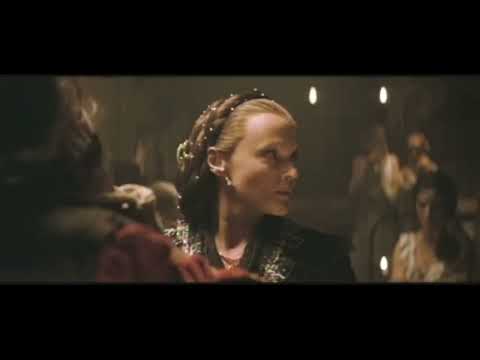
Notes & Trivia
- Two soundtrack editions: a 14-track single disc and a two-disc deluxe set; the latter adds more of the film’s numbers and cues.
- Vocal casting twist: Minnie Driver acts Carlotta, but the operatic singing is by Margaret Preece; Driver sings the credits-only “Learn to Be Lonely.”
- New song lineage: The end-credits melody echoes the film-deleted “No One Would Listen” (recorded by Gerard Butler for bonus features/editions).
- Charts: The album topped Billboard’s Soundtracks chart and reached the U.S. Billboard 200 top 20; it later earned RIAA Platinum.
- Boys’ choir: The London Oratory Boys Choir colors key set-pieces with treble lines.
Reception & Quotes
Critics were split on the film but often singled out the recording’s sweep and Rossum’s voice; fans embraced the lush treatment and the new single’s awards run.
“Conducted by Simon Lee; orchestrations by David Cullen — a grand, plush filmization of the stage score.” — MovieMusicUK capsule
“A pop-ballad coda (‘Learn to Be Lonely’) written for the screen.” — Filmtracks overview
Availability: Sony’s soundtrack released November 23, 2004 (standard & deluxe). Global Sony Classical/Sony Music issues followed, with later repressings and digital availability.
Interesting Facts
- Film-first single: Unlike the stage score, only the credits song was newly written for 2004 — everything else is adapted from the musical.
- Deluxe extras: Expanded editions included more underscore and, in digital promos, club remixes of the title duet.
- Voice prep: Butler reportedly trained up from minimal prior vocal study for “Music of the Night.”
- Opera within the film: The onstage pastiches (Hannibal, Il Muto, Don Juan) are part of the diegesis — the album preserves that nested-theatre feel.
- Awards season moment: Beyoncé performed “Learn to Be Lonely” at the 77th Oscars with Lloyd Webber at the piano.
Technical Info
- Title: The Phantom of the Opera — Original Motion Picture Soundtrack
- Year: 2004 (album release Nov 23, 2004)
- Type: Film musical soundtrack (various artists) + original score elements
- Composer/Producer: Andrew Lloyd Webber
- Lyrics (film adaptation): Charles Hart & Richard Stilgoe; additional new song lyrics: Charles Hart (“Learn to Be Lonely”)
- Conductor: Simon Lee
- Orchestrations: David Cullen (with Lloyd Webber)
- Key vocalists: Emmy Rossum (Christine), Gerard Butler (Phantom), Patrick Wilson (Raoul), Margaret Preece (Carlotta singing voice), Minnie Driver (end-credits song)
- Choir: London Oratory Boys Choir
- Label/editions: Sony Classical / Sony Music — single-disc and 2-disc deluxe
Key Contributors
| Entity | Relation |
|---|---|
| Andrew Lloyd Webber | Composer–producer; co-screenwriter; created new end-credits song |
| Charles Hart; Richard Stilgoe | Lyricists (stage/film adaptation) |
| David Cullen | Orchestrations (film) |
| Simon Lee | Conductor; music direction (film sessions) |
| Emmy Rossum; Gerard Butler; Patrick Wilson | Lead vocalists — Christine, Phantom, Raoul |
| Minnie Driver; Margaret Preece | Carlotta on-screen; operatic singing voice (Preece); Driver sings end-credits single |
| London Oratory Boys Choir | Treble choir on the soundtrack |
| Sony Classical / Sony Music | Label & worldwide distribution |
| Joel Schumacher | Film director; co-screenwriter |
Questions & Answers
- Is the 2004 soundtrack different from the Broadway cast album?
- Yes — it’s newly recorded for the film with expanded orchestration, different tempos, and the movie’s cast (Rossum/Butler/Wilson).
- Who actually sings Carlotta’s operatic parts?
- Margaret Preece dubs the operatic vocals for Carlotta; Minnie Driver performs only the credits song “Learn to Be Lonely.”
- Was any music newly written for the film?
- “Learn to Be Lonely” was composed for the movie and plays over the end credits.
- How many editions of the album exist?
- At release: a single disc and a two-disc deluxe edition. Later reissues and digital editions mirror these.
- Who conducted the sessions?
- Simon Lee conducted the film recording sessions; David Cullen handled orchestrations with Andrew Lloyd Webber.
Sources: Wikipedia (film & soundtrack pages); Discogs (multiple release credits & choir/conductor listings); MovieMusicUK review; Filmtracks overview; IMDb Soundtracks & Full Credits; Playbill on the new song; Metacritic credits roster; official trailer upload.
November, 29th 2025
A-Z Lyrics Universe
Cynthia Erivo Popular
Ariana Grande Horsepower
Post Malone Ain't No Love in Oklahoma
Luke Combs Good Riddance (Time of Your Life)
Green Day Bye Bye Bye
*NSYNC You're the One That I Wan
John Travolta & Olivia Newton-John I Always Wanted a Brother
Braelyn Rankins, Theo Somolu, Kelvin Harrison Jr. and Aaron Pierre The Power of Love
Frankie Goes to Hollywood Beyond
Auli’i Cravalho feat. Rachel House MORE ›