
"The Preacher's Wife" Soundtrack Lyrics
Movie • 1996
Track Listing
Whitney Houston
Whitney Houston
Whitney Houston
Whitney Houston
Whitney Houston
Whitney Houston
Whitney Houston
Whitney Houston
Whitney Houston
Whitney Houston
Whitney Houston
Whitney Houston
Whitney Houston
"The Preacher’s Wife (Original Soundtrack Album)" – Album Guide to Tracks and Key Scenes
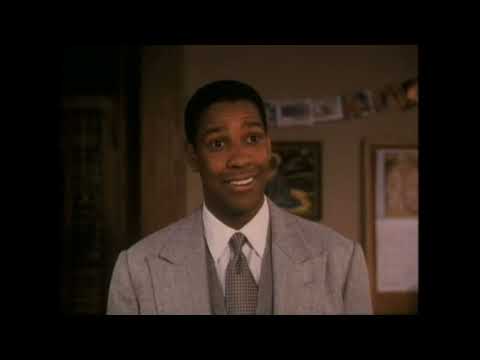
Review
How do you make a studio Christmas movie feel like Sunday morning and Saturday night? Whitney Houston’s soundtrack does both — gospel with the Georgia Mass Choir that shakes pews, and sleek R&B/pop that carries romance and doubt. It reads like a testimony and a date-night mix tape at once, and it turns a gentle fantasy into a lived-in church musical.
The arc is smart: jubilant choir numbers bookend the story of Julia Biggs, a harried choir director and pastor’s wife, while club-set torch songs open windows on her private longing. Babyface-grade polish sits beside handclaps and Hammond; Mervyn Warren’s choral production keeps the roof steady when emotions surge. The album never treats “gospel” as décor — it’s the heart of the drama.
Genres & themes in phases: traditional gospel — community, assurance; urban contemporary — resilience; adult-pop ballad — fidelity and second chances; holiday repertory — hope through ritual. The soundtrack is both a character and a congregation.
How It Was Made
Producers & sessions: Whitney Houston co-produced the album with Mervyn Warren, Babyface, David Foster, Steve Lipson and others. Recording split between New York/Los Angeles studios and a church capture with the Georgia Mass Choir to keep the choral power honest. Arista/BMG issued the album November 26, 1996.
Concept & collaborators: Houston wanted a true gospel record inside a film soundtrack — hence traditional pieces (“I Go to the Rock,” “I Love the Lord,” “Joy to the World”) alongside pop/R&B singles (“I Believe in You and Me,” “Step by Step,” “My Heart Is Calling”). Cameos include Cissy Houston, Shirley Caesar, and the Georgia Mass Choir; Lionel Richie appears on screen as the jazz-club owner (the club sequence doubles as a showcase for Houston’s torch-singer side).

Tracks & Scenes
“I Believe in You and Me” (Whitney Houston)
- Where it plays:
- Julia (Houston) returns to a familiar jazz club with Dudley (Denzel Washington). Lights low, band tucked in, she sings from the stage — a confession wrapped as a standard. The club’s warmth contrasts the winter streets outside. Mid-film; diegetic performance that threads into non-diegetic reprise later.
- Why it matters:
- It’s Julia speaking plainly at last. The film uses a love ballad to surface vows, regret, and resolve without sermonizing.
“I Go to the Rock” (Whitney Houston & The Georgia Mass Choir)
- Where it plays:
- Sunday service erupts: full choir, brass punches, stomping rhythm. The camera sweeps from choir loft to congregation as Julia leads. Late first half; diegetic worship sequence.
- Why it matters:
- Testimony in motion. The lyric becomes the film’s spine — when life shakes, the church holds.
“Joy to the World” (Whitney Houston & The Georgia Mass Choir)
- Where it plays:
- Holiday service montage — kids in coats, ushers grinning, choir parts stacked like garland. The arrangement is up-tempo, with handclaps pushing the groove. Mid/late film; diegetic church performance.
- Why it matters:
- Seasonal ritual reframed as communal joy — it’s story-world texture and spiritual release at once.
“Who Would Imagine a King” (Whitney Houston)
- Where it plays:
- At the church’s children’s Christmas pageant. Lines are shaky, costumes a little crooked; Julia rescues the moment by singing a gentle cradle song as the Nativity tableau steadies. Late film; diegetic lullaby-performance.
- Why it matters:
- Houston’s softest register carries the movie’s heart: parenthood, wonder, and quiet leadership.
“Step by Step” (Whitney Houston)
- Where it plays:
- Used as a needle-drop/credits lift (film version differs from single mix). It underlines forward motion after reconciliation — neighborhood sidewalks, family regrouping. End sequence/credits; non-diegetic.
- Why it matters:
- An Annie Lennox-penned mantra flipped into gospel-pop: faith-as-action.
“I Love the Lord” (Whitney Houston & The Georgia Mass Choir)
- Where it plays:
- Quiet sanctuary moment turned hymn of endurance — strings soften, choir answers from a distance. Mid/late film; diegetic worship extended into reflective underscore.
- Why it matters:
- Richard Smallwood’s hymn becomes Julia’s prayer — the plot’s lowest point needs a whispered psalm.
Also notable (album/film touches):
- “My Heart Is Calling” — Babyface-produced R&B single that bridges pop radio and the film’s romance thread.
- “Hold On, Help Is on the Way” — choir-forward encouragement cue used around church scenes.
- Pageant & church cues feature the Georgia Mass Choir and family voices (including Cissy Houston).
Notes & Trivia
- The soundtrack became the best-selling gospel album of all time, with multi-million worldwide sales and a record run atop Billboard’s Gospel chart.
- Singles rollout: “I Believe in You and Me” (lead), “Step by Step,” and “My Heart Is Calling.”
- Lionel Richie appears as the club owner; the piano you hear in the scene was pre-recorded by producer/arranger Mervyn Warren.
- Traditional hymns sit beside rewrites and originals — a purposeful “Sunday + radio” design Houston pushed for.
Reception & Quotes
Critics praised the choir power and Houston’s vocal command; the album became a fixture on holiday and gospel rotations, and a blockbuster seller beyond church circles.
“A blockbuster gospel set crowned by a top-five pop hit.” — AFI notes (chart context)
“Houston’s sanctuary voice… the Georgia Mass Choir in full cry.” — album retrospectives
Availability: The album is widely streaming (Arista/BMG). Some digital editions include both film and single mixes; seasonal playlists resurface the pageant and service cuts every year.
Interesting Facts
- Church capture: Traditional tracks were cut with the Georgia Mass Choir in a real church space for authentic resonance and crowd response.
- Best-selling milestone: Industry bodies and Houston’s estate cite the soundtrack as the best-selling gospel album ever.
- Club cameo: The jazz-club scene features Lionel Richie on camera; Warren’s prerecorded piano is what you hear.
- Holiday perennial: “Who Would Imagine a King” returns every December in choral programs and broadcasts.
- Two mixes live: Film vs. single versions (“I Believe in You and Me,” “Step by Step”) — the movie favors warmer, scene-fit takes.
Technical Info
- Title: The Preacher’s Wife — Original Soundtrack Album
- Year: 1996 (album); film released 1996
- Type: Film soundtrack (gospel/R&B/pop)
- Lead artist: Whitney Houston
- Producers: Whitney Houston; Mervyn Warren; Babyface; David Foster; Steve Lipson; (select tracks with Ricky Minor)
- Key performances: Whitney Houston with The Georgia Mass Choir; Cissy Houston; Shirley Caesar
- Label: Arista Records / BMG
- Singles: “I Believe in You and Me”; “Step by Step”; “My Heart Is Calling”
- Chart notes: Record 26 weeks at #1 on Billboard Top Gospel Albums; multi-platinum U.S.; multi-million worldwide
Key Contributors
| Entity | Relation |
|---|---|
| Whitney Houston | Lead vocalist; album co-producer; co-star (Julia Biggs) |
| Mervyn Warren | Producer/arranger; choral production; song contributor (“Who Would Imagine a King”) |
| Babyface; David Foster; Steve Lipson; Ricky Minor | Producers on select tracks |
| The Georgia Mass Choir | Featured choir on church and holiday sequences |
| Cissy Houston; Shirley Caesar | Guest gospel voices |
| Penny Marshall | Film director shaping music placement |
| Arista Records / BMG | Label and distribution |
| Lionel Richie | On-screen club owner; scene features pre-recorded piano by Mervyn Warren |
Questions & Answers
- Is this really the best-selling gospel album ever?
- Yes — industry and estate sources cite it as the all-time best-seller in the gospel category, with a record run atop Billboard’s Gospel chart.
- Which songs happen in the movie world?
- Most do — church numbers like “I Go to the Rock,” “Joy to the World,” and “I Love the Lord,” plus the pageant lullaby “Who Would Imagine a King,” and the jazz-club performance of “I Believe in You and Me.”
- Are the single versions different from the film?
- Often, yes. “I Believe in You and Me” and “Step by Step” have film mixes that differ from radio/album single versions.
- Who produced the choir sound?
- Mervyn Warren helmed the choral arrangements and church sessions with the Georgia Mass Choir.
- Where can I hear it?
- Streaming on major platforms (Arista/BMG editions). Holiday playlists frequently surface the pageant and service cues.
Sources: WhitneyHouston.com discography & notes; Wikipedia film & soundtrack entries; AFI Movie Club notes; Discogs master page; Apple Music/Spotify listings; education/program note describing the pageant scene; producer Mervyn Warren’s site; trailer (Movieclips Classic Trailers).
November, 29th 2025
A-Z Lyrics Universe
Cynthia Erivo Popular
Ariana Grande Horsepower
Post Malone Ain't No Love in Oklahoma
Luke Combs Good Riddance (Time of Your Life)
Green Day Bye Bye Bye
*NSYNC You're the One That I Wan
John Travolta & Olivia Newton-John I Always Wanted a Brother
Braelyn Rankins, Theo Somolu, Kelvin Harrison Jr. and Aaron Pierre The Power of Love
Frankie Goes to Hollywood Beyond
Auli’i Cravalho feat. Rachel House MORE ›