
"The Princess Bride" Soundtrack Lyrics
Movie • 1990
Track Listing
Mark Knopfler
Mark Knopfler
Mark Knopfler
Mark Knopfler
Mark Knopfler
Mark Knopfler
Mark Knopfler
Mark Knopfler
Mark Knopfler
Mark Knopfler
Mark Knopfler
Willy DeVille
"The Princess Bride (Original Motion Picture Soundtrack) — 1987" – Album Guide to Tracks and Key Scenes
Review
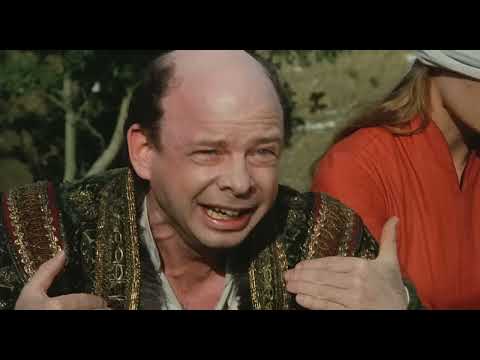
How do you score a fairy tale that keeps winking at you? Mark Knopfler answers with a gentle hybrid — storybook melodies and synth/folk textures that play sincerity straight while the film jokes around them. The music doesn’t elbow the comedy; it lets romance breathe, then pricks it with light, percussive wit.
The result is a soundtrack that’s both airy and specific: the Cliffs of Insanity climb crests on sequenced pulses; Inigo and Westley’s duel dances like lute-turned-lyric guitar; the Fireswamp injects rustic drones and heartbeat percussion; and the end-credits single, Willy DeVille’s “Storybook Love,” ties the whole film into one lullaby. It’s unabashedly pretty, but never syrupy — a rare late-80s score that wears synths like warm cloth, not chrome.
Genres & themes in phases: folk guitar & synth hymn — true love; Renaissance pastiche — courtly pomp undercut by jokes; action ostinato — cliff, sword, and swamp momentum; lullaby-pop — curtain call. It feels handmade, which is exactly right for a fairy tale read in a bedroom.
How It Was Made
Composer/producer: Dire Straits’ Mark Knopfler wrote and produced the score. He partnered closely with keyboardist Guy Fletcher, who performed extensive Synclavier parts; guitars are by Knopfler. The soundtrack album was released in 1987 (Vertigo internationally; Warner Bros. Records in the U.S.). It features “Storybook Love” — written and sung by Willy DeVille and arranged/produced by Knopfler — which earned an Academy Award nomination for Best Original Song.
Sound aesthetic: Knopfler blended folk guitar with mid-80s digital synths and reverberant string textures for a dreamy, earnest tone that fits Rob Reiner’s romantic-adventure comedy. The music leans intimate: small ensembles, close guitars, soft pads; when pomp is needed (wedding, castle), it’s lightly satirical rather than bombastic.

Tracks & Scenes
“Once Upon a Time… Storybook Love” (Mark Knopfler / Willy DeVille)
- Where it plays:
- Instrumental theme appears over early storybook transitions; the song version (DeVille vocal) plays over the end credits after Westley and Buttercup ride away. Non-diegetic; opening motif and full-song coda.
- Why it matters:
- The lullaby binds the film’s frame — bedtime cynicism gives way to wonder; the credits confirm the tone was sincere the whole time.
“The Cliffs of Insanity” (score cue)
- Where it plays:
- Vizzini, Fezzik, and Buttercup scale the sheer cliffs with the Man in Black in pursuit. Propulsive sequencer pulses climb and pause with the rope, then release as the crest is reached. Non-diegetic action cue.
- Why it matters:
- The cue sells vertical peril without heavy brass — climbing as heartbeat, not spectacle.
“The Swordfight” → “Guide My Sword” (score cues)
- Where it plays:
- Westley and Inigo’s gentlemanly duel: parries sync with nimble guitar/keys; the tone shifts from playful to respectful as Inigo admits he’s not left-handed. Non-diegetic; cliff-top duel sequence.
- Why it matters:
- Music that dances with the stuntwork — witty, light on its feet, and perfectly timed to reveal character.
“The Fireswamp & the Rodents of Unusual Size” (score cue)
- Where it plays:
- Into the swamp: crackling logs, lightning sand, and an ambush by a R.O.U.S. The cue alternates rustic drones and skittering rhythms, then eases as Westley soothes Buttercup. Non-diegetic; mid-film trial-by-wilderness.
- Why it matters:
- Adventure language without macho blare — perfect for a love story that keeps a straight face while it jokes.
“The Pit of Despair / Miracle Max” (score suite)
- Where it plays:
- After Westley’s torture, tones go hollow and cold; at Miracle Max’s, the harmony perks into klezmer-adjacent bounce with comedic woodwinds. Non-diegetic; late-mid film.
- Why it matters:
- Two colors, one palette — grief to farce without losing the film’s softness.
“Wedding Procession” (score cue)
- Where it plays:
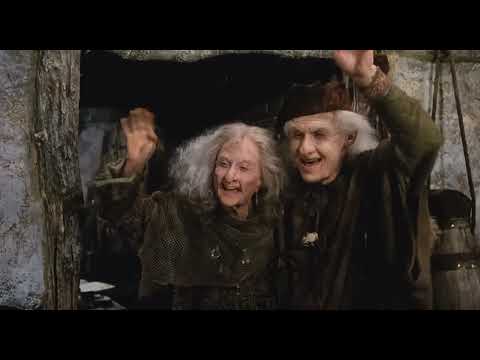
- Humperdinck’s castle ceremony (“Mawwiage!”). Processional pomp played with a wink: stately chords with gauzy reverb. Non-diegetic source-like pomp.
- Why it matters:
- Courtly pastiche that underlines the joke — it’s fancy because it’s empty.
“Take Me Out to the Ball Game” (Albert von Tilzer/Jack Norworth)
- Where it plays:
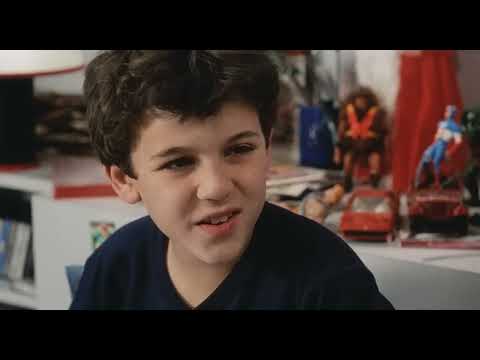
- A brief diegetic reference from the grandson’s baseball-obsessed world in the bedroom framing scenes.
- Why it matters:
- Reminds us the fairy tale is being read now — 20th-century kid, 18th-century romance.
Also heard / trailer:
- Trailer uses edited score and narration; DeVille’s “Storybook Love” headlines commercial releases of the soundtrack.
Notes & Trivia
- Willy DeVille’s “Storybook Love” was nominated for the 1988 Academy Award for Best Original Song.
- Rob Reiner sought Knopfler specifically; the composer jokingly asked for a nod to This Is Spinal Tap in return (a cap appears in the kid’s room).
- The recorded sound famously blends folk guitar with Synclavier textures — a digital/analog fairy-tale shimmer.
- U.S. album issued by Warner Bros.; Vertigo handled international release.
Reception & Quotes
Retrospective reviews praise the score’s warmth and restraint; fans treat “Storybook Love” as canon — the film’s lullaby.
“Knopfler captures the film’s varied tones with intimate, lyrical writing.” — AllMusic
“An important piece of late-’80s film-music history.” — Filmtracks
Availability: The original album (LP/CD) has remained in print across reissues and is widely streaming. Typical digital editions present ~12–13 cues including “Cliffs of Insanity,” “Swordfight,” and the end-credits song.
Interesting Facts
- Lullaby provenance: “Storybook Love” appears on Willy DeVille’s 1987 album Miracle and was repurposed/arranged for the film.
- Live-to-picture: Orchestras now perform the score in concert while the film plays — proof of its staying power.
- Minimal brass: The film’s biggest moments avoid wall-to-wall orchestral blasts, keeping the romance front and center.
- Soft satire: Wedding pomp is written just “too” grand — music as gentle mockery of Humperdinck’s vanity.
- Bedroom frame: Little musical stingers help bridge the 1980s bedroom and the fairy-tale world without breaking tone.
Technical Info
- Title: The Princess Bride — Original Motion Picture Soundtrack
- Year: 1987 (film and album)
- Type: Film (romance/adventure/comedy) — score + one original song
- Composer/Producer: Mark Knopfler
- Featured artists: Guy Fletcher (keyboards/Synclavier); Willy DeVille (vocal on “Storybook Love”)
- Labels: Vertigo (intl.); Warner Bros. Records (US)
- Selected placements: “Cliffs of Insanity”; “The Swordfight”; “Fireswamp & R.O.U.S.”; “Wedding Procession”; end-credits “Storybook Love”
- Awards: “Storybook Love” — Academy Award nominee (Best Original Song, 1988)
Key Contributors
| Entity | Relation |
|---|---|
| Mark Knopfler | Composer; producer; guitars |
| Guy Fletcher | Keyboards/Synclavier; programming |
| Willy DeVille | Songwriter/vocal — “Storybook Love” |
| Rob Reiner | Director — tone and music brief |
| Warner Bros. Records / Vertigo | Labels (US / international) |
| Bill Schnee; Bob Ludwig | Mixing; mastering (album) |
Questions & Answers
- Who composed the score?
- Mark Knopfler (Dire Straits), with Guy Fletcher on keyboards/Synclavier; Knopfler produced the album.
- What’s the end-credits song?
- “Storybook Love,” written and sung by Willy DeVille, arranged/produced by Knopfler — it was Oscar-nominated.
- Is the music mostly orchestral?
- No — it’s a synth/folk hybrid with guitars and keyboards, plus light orchestral colors for pomp.
- Which scenes have standout cues?
- The cliff climb, Inigo vs. Westley’s duel, the Fireswamp trial, Miracle Max, and the wedding procession.
- Wasn’t the movie from 1990?
- No — the film and soundtrack debuted in 1987; reissues and anniversary trailers may cause date confusion.
Sources: Mark Knopfler official discography; Warner/Vertigo album credits; AllMusic & Filmtracks reviews; IMDb Soundtracks; soundtrack collector discography; Variety/CSO features on the score’s Synclavier sound; official trailers.
November, 29th 2025
A-Z Lyrics Universe
Cynthia Erivo Popular
Ariana Grande Horsepower
Post Malone Ain't No Love in Oklahoma
Luke Combs Good Riddance (Time of Your Life)
Green Day Bye Bye Bye
*NSYNC You're the One That I Wan
John Travolta & Olivia Newton-John I Always Wanted a Brother
Braelyn Rankins, Theo Somolu, Kelvin Harrison Jr. and Aaron Pierre The Power of Love
Frankie Goes to Hollywood Beyond
Auli’i Cravalho feat. Rachel House MORE ›