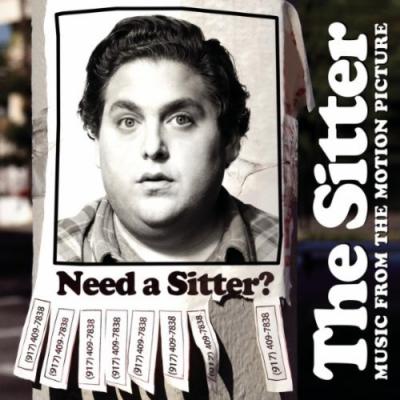
"The Sitter" Soundtrack Lyrics
Movie • 2011
Track Listing
The Sugarhill Gang
Slick Rick
Cults
Pharcyde
Kreayshawn
Slick Rick
The Jungle Brothers
Raphael Saadiq
Escort
Ohmega Watts feat. DJ DNA
Blahzay Blahzay
Raphael Saadiq
The Sitter
Biz Markie
2 Live Crew
“The Sitter (Music From the Motion Picture)” – Album Guide to Tracks and Key Scenes
Review
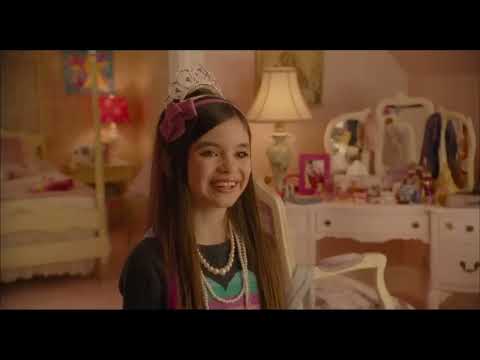
What happens when a David Gordon Green comedy gets a crate-digger’s ear? The Sitter turns a single-night babysitting disaster into a boom-bap road movie — hip-hop staples, club thumps, and sly pop cues steering Jonah Hill and three chaotic kids through New York misadventures. The compilation album doesn’t play like a random jukebox; it’s a purposeful playlist that nudges character beats as much as it sells jokes.
On screen, classics from Slick Rick, The Sugarhill Gang, and Biz Markie act as cultural shorthand — old-school swagger pasted over a very 2011 mess (Kreayshawn flashes by; Cults cool the room). In between, a handful of score textures from David Wingo and Jeff McIlwain keep the wheels on. The record mirrors that balance: recognizable bangers up front, deeper cuts and disco-funk in the back half, one score cue as connective tissue.
Genres → themes, in phases: golden-age hip-hop — bravado and forward momentum; late-night electro/disco — neon-lit temptation; indie/pop detours — distance and doubt; slow-jam soul — morning-after perspective. The set’s distinction is its sequencing: comedy needle-drops that still play like a cohesive mix.
How It Was Made
Director David Gordon Green leaned on his longtime composer David Wingo and electronic artist Jeff McIlwain (a.k.a. Lusine) for score textures, while music supervision corralled rights across old-school rap, alt-pop, and party staples. The commercial album arrived the week of release via Sony Music with 15 cuts — mostly licensed songs plus a brief cue (“Workin’ It Out”) from the score — a tidy snapshot rather than a full dump of every on-screen track.
Editorially, cues were placed to function as punchlines (Rupert Holmes in a gym while a drug deal unfolds), irony (kids vibing to 2 Live Crew in a minivan), or propulsion (Jungle Brothers for the clean-up sprint). It’s the rare R-rated studio comedy whose soundtrack feels DJ’d.
Tracks & Scenes
“Children’s Story” (Slick Rick)
- Where it plays:
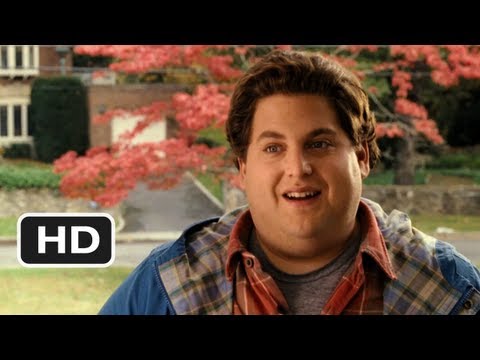
- Opening credits as Noah pedals home — a swaggering fairy-tale rap for a guy in way over his head (≈ 00:03). Non-diegetic.
- Why it matters:
- Writes the film’s thesis in sixteen bars: street-wise myth meets suburban reality.
“Gucci Gucci” (Kreayshawn)
- Where it plays:
- Marisa calls with the “errand” — grab cocaine before the party — while Noah is on the job (≈ 00:14). Non-diegetic.
- Why it matters:
- Planting the 2011 time-stamp; the cue frames his very bad decision with blog-era bravado.
“Apache” (The Sugarhill Gang)
- Where it plays:
- At a store, bystanders think Noah’s abducting a child; the breakbeat gallops as the misunderstanding explodes (≈ 00:20). Non-diegetic.
- Why it matters:
- Old-school party anthem + public fiasco = pure comic whiplash.
“Escape (The Piña Colada Song)” (Rupert Holmes)
- Where it plays:
- Blaring in the gym while Noah meets Karl the dealer — incongruously sunny while things get sketchy (≈ 00:23). Source from the gym speakers.
- Why it matters:
- Weaponized kitsch; the joke’s in the dissonance.
“Hoochie Mama” (2 Live Crew)
- Where it plays:
- The kids wait outside the deal in the car with the stereo pounding (≈ 00:27–28). Diegetic.
- Why it matters:
- Raunchy Miami bass undercuts a “babysitting” scenario — the film’s sense of wrongness in one cue.
“Workin’ It Out” (David Wingo) — score cue
- Where it plays:
- Karl gets comforted by a bodybuilder after Noah steals his stash (≈ 00:31). Non-diegetic.
- Why it matters:
- One of the few score moments — an elbow-nudge instead of a big theme.
“First Look” (Hasidic New Wave) → “Hava Nagila” (Greg Wall & the Simcha All-Stars)
- Where it plays:
- An upscale party stretch, then a cutaway gag with garlicky chaos and Karl asking for chili flakes (≈ 00:33–41). Source/party band.
- Why it matters:
- Shows the film’s fondness for hyper-specific cultural cues as punchlines.
“When We In The House” (Blahzay Blahzay)
- Where it plays:
- Noah drags the kids into a club to chase down a stolen car lead (≈ 00:54). Non-diegetic.
- Why it matters:
- Classic East-coast stomp — suddenly everyone’s moving with purpose.
“Where It All Started (feat. DJ DNA)” (Ohmega Watts)
- Where it plays:
- Bar aftermath once Noah has taken a deserved punch (≈ 00:58). Source vibe.
- Why it matters:
- Slows the pulse for a beat — self-recalibration in groove form.
“Go Outside (Menahan Street Band Remix)” (Cults)
- Where it plays:
- Marisa’s party glow — Noah on the phone, still delusional about priorities (≈ 1:00). Non-diegetic drifting into source.
- Why it matters:
- Dreamy distance; the remix’s horns make the moment feel out of reach.
“Cocaine Blues” (Escort) → “Boom Ha” (Small Town Romeo feat. Shad K) → “Come On” (Nice & Smooth)
- Where it plays:
- Inside the party run — Noah hunts Marisa, the kids splinter: Rodrigo bickers with Slater; Blithe ends up dancing on a table (≈ 1:03–1:05). Mostly diegetic.
- Why it matters:
- Three tracks paint one meltdown — disco-funk flash, blog-rap snap, old-school bounce.
“Sometimes” (Raphael Saadiq)
- Where it plays:
- After the fracas and bruised egos, Noah shepherds the kids home (≈ 1:14). Non-diegetic.
- Why it matters:
- A warm exhale — the movie finally lets itself be a hangout film for a minute.
“Because I Got It Like That” (Jungle Brothers)
- Where it plays:
- “We gotta fix everything now” montage — house, car, and alibis before the parents show (≈ 1:17). Non-diegetic.
- Why it matters:
- Golden-age confidence for a last-minute scramble — irresistible.
End-credits buttons: “Just a Friend” (Biz Markie) → “Need Some Bad” (Slick Rick)
- Where it plays:
- Roll credits — the classic sing-along first, then a Rick deep-cut swagger (≈ 1:22–1:24).
- Why it matters:
- Leaves you humming; the album smartly includes both.
Notes & Trivia
- The film credits David Wingo and Jeff McIlwain for music; music supervision is credited to Mark Wike.
- The retail album focuses on licensed songs plus one brief score cue; several on-screen cues don’t appear on the CD/streaming editions.
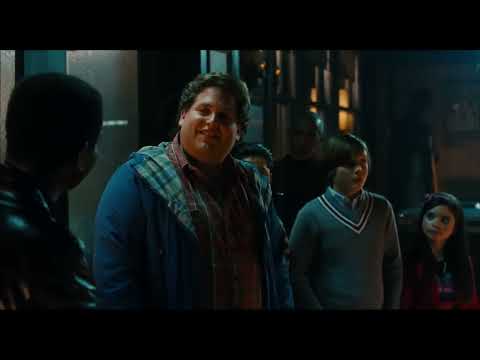
- Placement irony is a running gag: “Piña Colada” in a gym drug meet, kid-waiting scenes scored to 2 Live Crew.
- Release timing: the album dropped the same week as the film’s U.S. theatrical opening in December 2011.
Reception & Quotes
The film drew mixed-to-negative reviews, but the soundtrack’s crate-digging mixtape vibe earned notice — even detractors cited the song choices as a silver lining.
“A hip-hop heavy needle-drop strategy that adds propulsion and punchlines.” — trade review capsule
“From Slick Rick to Pharcyde to Biz — the music is the movie’s pulse.” — retrospective blog note

Interesting Facts
- One-night arc: The score avoids big themes; short connective cues leave room for songs to drive momentum.
- Mixtape logic: Album sequencing mirrors the plot — classics up front, party cluster mid-album, reflective cool-down near the end.
- Deep cuts: Disco-revivalists Escort and indie duo Cults keep the set from being a pure nostalgia tour.
- Credits sing-along: “Just a Friend” is your final earworm; it works every time.
Technical Info
- Title: The Sitter — Music From the Motion Picture
- Year: 2011 (film & album)
- Type: Film soundtrack — compilation with one score cue
- Composers: David Wingo; Jeff McIlwain
- Music supervision: Mark Wike
- Label/album status: Sony Music Entertainment; 15 tracks on commercial release
- Selected notable placements: “Children’s Story” (opening); “Apache” (store fiasco); “Escape (The Piña Colada Song)” (gym meet); “When We In The House” (club); “Cocaine Blues” / “Boom Ha” / “Come On” (party run); “Sometimes” (homebound glow); “Because I Got It Like That” (clean-up montage); “Just a Friend” / “Need Some Bad” (credits)
- Release context: U.S. theatrical release December 9, 2011; album streeted same week
- Availability: Streaming (Apple Music/Spotify) and digital retail; track listings may vary slightly by territory
Questions & Answers
- Who composed the score?
- David Wingo and Jeff McIlwain; the album includes one of their cues (“Workin’ It Out”).
- Is this mostly a songs album?
- Yes — it’s primarily licensed tracks; the movie leans on needle-drops for tone and pacing.
- What’s the opening-credits track?
- Slick Rick’s “Children’s Story,” underscoring Noah’s cocky bike ride home.
- Which cue scores the final scramble?
- Jungle Brothers’ “Because I Got It Like That” powers the “fix everything now” montage.
- Does the album include everything heard in the film?
- No. It captures the essentials, but a few on-screen moments aren’t on the retail release.
Key Contributors
| Entity | Relation |
|---|---|
| David Gordon Green | Director — sets single-night chaos the soundtrack turbocharges |
| David Wingo; Jeff McIlwain | Composers — original score textures |
| Mark Wike | Music Supervisor — clearances/needle-drop strategy |
| Sony Music Entertainment | Label — released the 2011 soundtrack |
| Slick Rick; The Sugarhill Gang; Biz Markie; Jungle Brothers | Key artists — classic hip-hop placements |
| Rupert Holmes; Cults; Escort; Blahzay Blahzay; Ohmega Watts | Artists — comic counterpoints and party-sequence anchors |
| 20th Century Fox | Studio/Distributor — film release context |
Sources: Apple Music album page; Spotify album listing; Variety review credits; Wikipedia (film & credits); Moviefone crew page; Soundtrakd scene-by-scene song placements & timestamps; Ringostrack/Last.fm supplemental listings; official trailers on YouTube.
Jonah Hill stars in situation comedy that has almost normally paid off at the box office. It brought its creators USD 34.5 million against of USD 25 million expenditures on its production. Business is business, and there are inevitable risks when you invest your money into something. Especially into something with Jonah Hill, who isn’t particularly shiny in his actor's talent and not a charming pudge. Jonah had better outward appearance when he was not as thick – in 2011, as an example. Besides him, Sam Rockwell stars in the movie among the famous personalities, who is more grown wise and can play completely different roles. But we like him most in roles of charming loonies, totally wacking all his minds. Jonah films approximately 3-4 times less than a tough guy Sam. But he produces and writes also. He was producer, writer and actor of last two large commercially successful films – Jump Street. Three-in-one person! The plot of the film is quite simple: a bummer finally pushed to the outside world by his mother and becomes a babysitter. While he looks after the children, who do not like him, a girlfriend calls him and offers to make love. He rushes to her, taking the children along. And getting into various kinds of funny situations. Usually, simple stories collect a lot of money, but if you do them with wit and mischief. Not as here – being just funny Jonah. Music compilation is not very diverse. Rap dominates here. Second place goes to R’n’B. Apart from them, it is interesting to mention Apache/Jump On It, Children’s Story and Go Outside (Menahan Street Band Remix). These songs are the most interesting pieces of other genres. Mentioning the performers, we must admit that Slick Rick and Cults made very interesting pieces.November, 29th 2025
'The Sitter': IMDb, WikipediaA-Z Lyrics Universe
Cynthia Erivo Popular
Ariana Grande Horsepower
Post Malone Ain't No Love in Oklahoma
Luke Combs Good Riddance (Time of Your Life)
Green Day Bye Bye Bye
*NSYNC You're the One That I Wan
John Travolta & Olivia Newton-John I Always Wanted a Brother
Braelyn Rankins, Theo Somolu, Kelvin Harrison Jr. and Aaron Pierre The Power of Love
Frankie Goes to Hollywood Beyond
Auli’i Cravalho feat. Rachel House MORE ›