
"The Talented Mr. Ripley" Soundtrack Lyrics
Movie • 1999
Track Listing
Matt Damon/Jude Law/Fiorello/The Guy Barker Internation
Matt Damon/The Guy Barker International Quintet
Gabriel Yared
Sinead O'Connor
Gabriel Yared
Charlie Parker
Miles Davis
Gabriel Yared
Gabriel Yared
Guy Barker/Pete King/Iain Dixon/Robin Aspland/Arne Somogyi/Clark
Marino Marini
The Guy Barker International Quintet
Gabriel Yared
Guy Barker/Pete King/Iain Dixon/Robin Aspland/Arne Somogyi/Clark Tracey
Gabriel Yared
Dizzy Gillespie
Gabriel Yared
Clifford Gurdin/The London Metropolitan Ensemble
John Martyn/The Guy Barker International Quintet
“The Talented Mr. Ripley — Music from the Motion Picture (1999)” – Album Guide to Tracks and Key Scenes
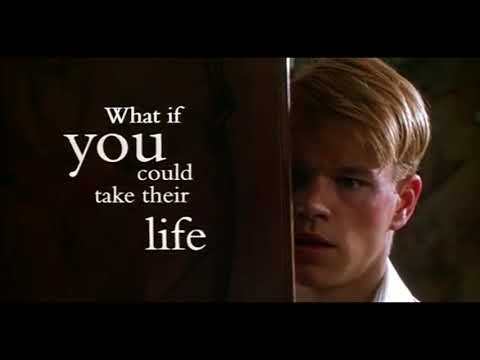
Review
Can a movie be both a sun-drenched vacation and a moral fever? The Talented Mr. Ripley pulls off that paradox — and its soundtrack makes it irresistible. Gabriel Yared’s score whispers guilt and longing while 1950s jazz burns bright on the surface. The songs embody the life Tom wants; the score tells us he’ll never own it without becoming someone else.
On album, the split is delicious. Yared’s “Italia,” “Ripley,” and “Syncopes” sketch tender obsession and elegant menace. Around them swirl impeccably curated period pieces — bop (Charlie Parker’s “Ko-Ko”), cool (Miles Davis’s “Nature Boy”), hard-bop swagger (Guy Barker Quintet on “Moanin’”), Neapolitan pop (Marino Marini’s “Guaglione”). The killer move: keeping music in-world. When Tom sings, or when a club band purrs through standards, the movie lets desire be audible — then Yared slides the knife.
Genres & themes in phases: cool jazz — charm and class performance; Neapolitan song — sunlit ease, local identity; sacred Baroque — conscience and reckoning; lyrical strings — the ache of wanting; noir harmonies — the price of pretending.
How It Was Made
Composer: Gabriel Yared’s score anchors the film; the official albums mix his cues with source jazz and Italian pop. Signature original: “Lullaby for Cain,” performed by Sinéad O’Connor over the opening, sets the fatalistic tone in one haunted breath. Supervised source palette: mid-century jazz greats (Parker, Miles, Dizzy) sit beside in-film performances by Matt Damon, Jude Law and TV star Fiorello on “Tu Vuò Fà L’Americano,” plus John Martyn closing with “You Don’t Know What Love Is.”
Editing the music into story: Director Anthony Minghella reshaped the opening and, late in prep, built the pivotal Mongibello jazz-club sequence around “Tu Vuò Fà L’Americano” and “My Funny Valentine,” fusing character beats with live performance. The commercial album (Sony Music, 1999) presents 19 cuts; an expanded anniversary edition later surfaced with additional Yared cues.

Tracks & Scenes
Selected placements (diegetic = heard by the characters). Timestamps vary by release cut; the descriptions focus on context and function.
“Lullaby for Cain” (Sinéad O’Connor)
- Where it plays:
- Opening titles. A wordless, mournful vocal drifts over credits and first images, framing Tom’s confession-like narration. Non-diegetic but thematic, it returns as a ghost in later cues.
- Why it matters:
- Establishes the film’s fatalism before the sun comes up — Ripley as a lullaby you shouldn’t trust.
“Tu Vuò Fà L’Americano” (Fiorello, with Matt Damon & Jude Law; The Guy Barker International Quintet)
- Where it plays:
- Mongibello seaside jazz club. The room is smoke and laughter; Dickie jumps on sax, Tom’s coaxed to the mic, the crowd claps in three. Purely diegetic, filmed like a live set.
- Why it matters:
- Tom’s dream life becomes sound — flirtation, glamour, belonging. It’s the most ecstatic few minutes he ever earns.
“My Funny Valentine” (Matt Damon, vocal)
- Where it plays:
- Same club, later that night. Dickie eggs Tom on; he sings shy, intimate, eyes mostly on Dickie. The band lays back; the room hushes. Diegetic performance.
- Why it matters:
- Confession disguised as a standard. The lyric becomes Tom’s mask and mirror — love as imitation.
“Stabat Mater, RV 621: I. Stabat Mater” (Vivaldi)
- Where it plays:
- Venice rehearsal with Peter. In a candle-cool church, voices bloom as Tom watches. Diegetic sacred music; the sequence slows time and stains the romance with sorrow.
- Why it matters:
- Conscience, briefly. Baroque lament pierces the charade — a chill of consequence inside paradise.
“You Don’t Know What Love Is” (John Martyn with The Guy Barker International Quintet, feat. Chris Botti)
- Where it plays:
- End credits. After the final, suffocating choice, Martyn’s bruised vocal and muted-horn lines take over. Non-diegetic; the perfect curtain.
- Why it matters:
- A weary verdict on Tom’s idea of affection — desire without empathy.
Jazz & source needle-drops
- “Ko-Ko” (Charlie Parker) — bebop flash anchoring the club ambience; its velocity underlines how quickly Tom is out of his depth.
- “Nature Boy” (Miles Davis) — cool, distant trumpet over travel/interstitials; longing made elegant.
- “The Champ” (Dizzy Gillespie) — brassy bravado for la dolce vita flourishes.
- “Moanin’” (The Guy Barker International Quintet) & “Four”/“Pent-Up House” (Guy Barker & co.) — in-club sets that blur party and performance, keeping the film inside music’s spell.
- “Guaglione” (Marino Marini) — postcard-bright Neapolitan pop for street and seaside bustle.
Score spotlights (Gabriel Yared)
- “Italia” — a tender postcard motif that flips bittersweet as Tom’s duplicity grows.
- “Mischief / Ripley / Promise” — the cat-and-mouse cues: plucked strings, watch-ticking percussion, and aching oboe lines.
- “Syncopes” — strings that heave and stall — Ripley’s heartbeat in a guilt spiral.
Notes & Trivia
- The retail album is a various artists set (Sony Music, 1999) mixing Yared’s score with diegetic performances and period jazz; Damon is credited on two vocal cuts.
- “Tu Vuò Fà L’Americano” was so indelible that the film earned an MTV Movie Award nomination for Best Musical Sequence for that scene.
- Renato Carosone’s 1956 original of “Tu Vuò Fà L’Americano” spiked in cultural visibility again after the film’s release.
- An expanded 25th-anniversary edition later surfaced, assembling more of Yared’s underscoring, including alternates of the main motifs.
Reception & Quotes
Critics praised the soundtrack’s double life — jazz as seduction, score as dread — and the way Minghella staged music as character.
“Joy and longing pulsate through the jazz-club sequence — it unlocks a more human dimension of Tom.” Vanity Fair (25th anniversary)
“The album smartly juxtaposes 1950s jazz classics with Yared’s introspective, Italian-flavored score.” Film music reviews
Availability: The 19-track commercial album streams widely; key cuts include Damon’s “My Funny Valentine,” the club-recorded “Tu Vuò Fà L’Americano,” O’Connor’s “Lullaby for Cain,” and John Martyn’s end-title rendition of “You Don’t Know What Love Is.”
Interesting Facts
- Live-set feeling: The film’s club numbers were cut and mixed to feel like on-the-night performances, not studio miming.
- End-credit sting: John Martyn’s vocal closes the film; trumpeter Chris Botti and bandleader Guy Barker shape the torch-jazz mood.
- Church acoustics: The Vivaldi scene uses the space as instrument — a sonic contrast to the sweaty clubs.
- Plot through music: Each step deeper into crime is shadowed by Yared’s strings; each brush with belonging is a standard or a pop tune.
- Ripley’s mask: Standards let Tom “perform” sincerity — a dangerous talent the film keeps testing.
Technical Info
- Title: The Talented Mr. Ripley — Music from the Motion Picture
- Year: 1999
- Type: Film soundtrack (score + diegetic/jazz selections)
- Composer: Gabriel Yared; featured performers include Matt Damon (vocals), Jude Law (sax), Fiorello (vocals), John Martyn (vocals), The Guy Barker International Quintet, Miles Davis, Charlie Parker, Dizzy Gillespie, Marino Marini
- Key placements: “Lullaby for Cain” (main titles); “Tu Vuò Fà L’Americano” & “My Funny Valentine” (Mongibello club, live diegesis); Vivaldi “Stabat Mater” (Venice rehearsal); “You Don’t Know What Love Is” (end credits)
- Label / album status: Sony Music (19-track release; later expanded score edition)
Questions & Answers
- Who composed the original score?
- Gabriel Yared, whose themes trace Tom’s yearning and guilt between the jazz set-pieces.
- Is “Lullaby for Cain” part of the story or just a theme?
- It’s an opening-titles piece sung by Sinéad O’Connor — not performed onscreen but woven into the score’s mood.
- Do the actors sing/play in the film?
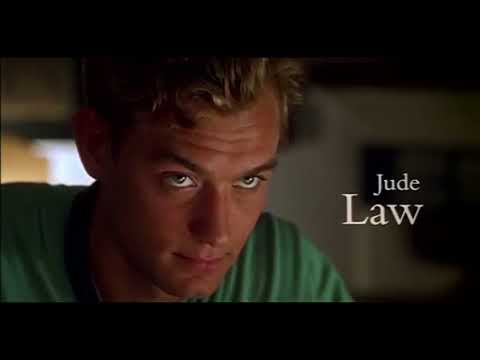
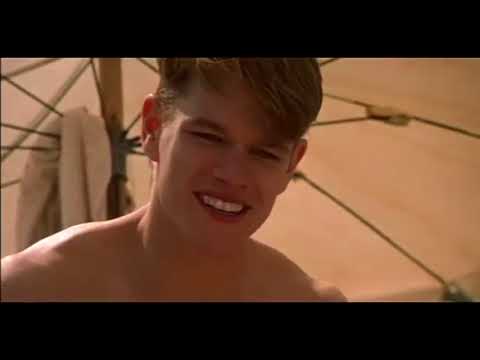
- Yes. Matt Damon sings “My Funny Valentine”; Jude Law joins the club band; both appear in the “Tu Vuò Fà L’Americano” scene with TV star Fiorello.
- What song closes the movie?
- John Martyn’s “You Don’t Know What Love Is,” featuring Chris Botti and the Guy Barker International Quintet.
- Where does the sacred music fit?
- Vivaldi’s “Stabat Mater” appears during a Venice rehearsal with Peter — a solemn, diegetic counterpoint to the jazz.
Key Contributors
| Subject | Relation | Object |
|---|---|---|
| Gabriel Yared | Composed score for | The Talented Mr. Ripley (1999) |
| Sinéad O’Connor | Performed | “Lullaby for Cain” (main titles) |
| Matt Damon | Sang | “My Funny Valentine”; appears on “Tu Vuò Fà L’Americano” |
| Jude Law | Performed in | “Tu Vuò Fà L’Americano” (club sequence) |
| Fiorello | Vocalist on | “Tu Vuò Fà L’Americano” (with Damon & Law) |
| John Martyn | Sang | “You Don’t Know What Love Is” (end credits) |
| The Guy Barker International Quintet | Backed | club standards; featured on “Moanin’,” “Four,” “Pent-Up House,” end-title track |
| Miles Davis | Performed | “Nature Boy” (album/film source) |
| Charlie Parker | Performed | “Ko-Ko” (album/film source) |
| Dizzy Gillespie | Performed | “The Champ” (album/film source) |
| Marino Marini | Performed | “Guaglione” (album/film source) |
| Sony Music Entertainment | Released | The Talented Mr. Ripley — Music from the Motion Picture (1999) |
| Paramount / Miramax | Distributed | The Talented Mr. Ripley (film) |
Sources: Soundtrack album listings and credits; film music reviews; expanded-edition notes; Vanity Fair’s 25th-anniversary feature; Wikipedia (film and soundtrack); Apple Music/Spotify credits; library catalog credits; jazz track documentation; official trailer.
November, 29th 2025
A-Z Lyrics Universe
Cynthia Erivo Popular
Ariana Grande Horsepower
Post Malone Ain't No Love in Oklahoma
Luke Combs Good Riddance (Time of Your Life)
Green Day Bye Bye Bye
*NSYNC You're the One That I Wan
John Travolta & Olivia Newton-John I Always Wanted a Brother
Braelyn Rankins, Theo Somolu, Kelvin Harrison Jr. and Aaron Pierre The Power of Love
Frankie Goes to Hollywood Beyond
Auli’i Cravalho feat. Rachel House MORE ›