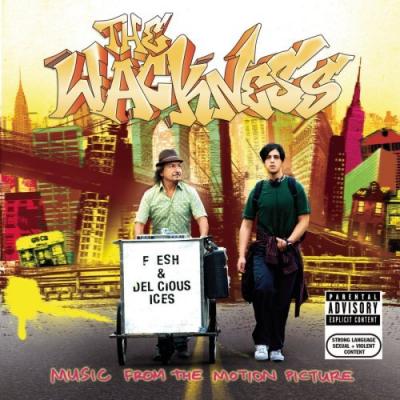
"The Wackness" Soundtrack Lyrics
Movie • 2008
Track Listing
The Notorious B.I.G. feat. Method Man
Faith Evans
Craig Mack
DJ Jazzy Jeff and The Fresh Prince
Total featuring Notorious B.I.G.
KRS-One
Nas
A Tribe Called Quest
Raekwon
R. Kelly
Biz Markie
Wu-Tang Clan
The Pioneers
"The Wackness (Music From the Motion Picture)" – Album Guide to Tracks and Key Scenes
Review
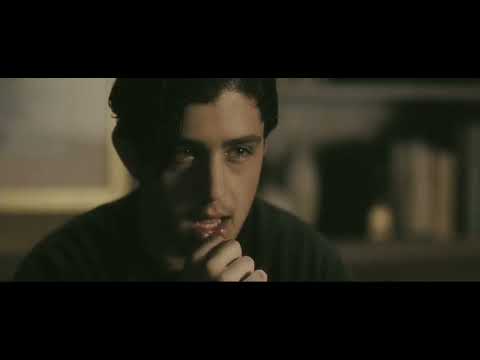
What does nostalgia sound like when it isn’t soft? The Wackness answers with needle-drops that punch — a wall-to-wall love letter to 1994 New York where golden-era hip-hop scores a coming-of-age summer. It’s not background; it’s worldview. Nas, Tribe, Raekwon, Biggie — the tracks are characters with agendas, pushing Luke (Josh Peck) through heat, hustle, and heartbreak.
The compilation plays like a perfect pause-and-rewind tape: boom-bap grit and R&B sheen for first loves and small hustles; David Torn’s vapor-warm score cues for reflection and aftermath. When the movie gets funny, the songs grin; when it gets honest, they tell the truth. It’s the rare soundtrack where the era is the theme.
Phases, mapped: classic East-Coast hip-hop (identity, bravado), R&B radio (seduction and doubt), reggae oldies (street-corner humor), and ambient-leaning score (quiet reckoning). The mix says: the city is loud; growing up is louder.
How It Was Made
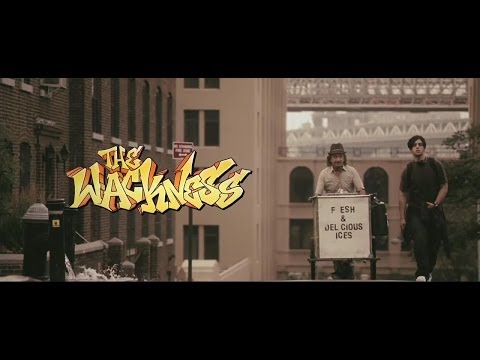
Writer-director Jonathan Levine anchored the story to 1994 and cleared era-defining cuts to make the city feel lived-in. The soundtrack album (Zomba/Sony) arrived summer 2008 with a tight, 13-track set of licensed classics; a deluxe digital edition adds a couple more staples. Composer David Torn supplied the original score — gauzy guitars, textural drones — to glue the emotional beats between needle-drops. Music supervision was handled in-house by veterans who chased rights across multiple labels, a minor miracle given how many A-list artists appear.
Tracks & Scenes
“The World Is Yours” (Nas)
- Where it plays:
- Early statement of purpose as Luke drifts through summer streets, hustling and daydreaming. Non-diegetic; the piano loop turns the sidewalk into a rite of passage.
- Why it matters:
- Ambition as mantra — the film frames Luke’s small-time sales and big-time longing with Illmatic’s certainty.
“Heaven & Hell” (Raekwon)
- Where it plays:
- Water-tower scene: Luke looks down over the city, weighing who he is against who he wants to be. The track rides the wind; questions hang in the air.
- Why it matters:
- The lyric’s moral teeter-totter mirrors Luke’s: is this summer heaven or hell? The cue says, “both.”
“Can I Kick It?” (A Tribe Called Quest)
- Where it plays:
- Doc Squires (Ben Kingsley) tries to swear off vices; the cut sneaks under his stop-start resolve. Non-diegetic with wink-level irony.
- Why it matters:
- Wordplay meets willpower — a comic counterpoint that underlines the film’s rehab-as-relapse loop.
“Can’t You See” (Total feat. The Notorious B.I.G.)
- Where it plays:
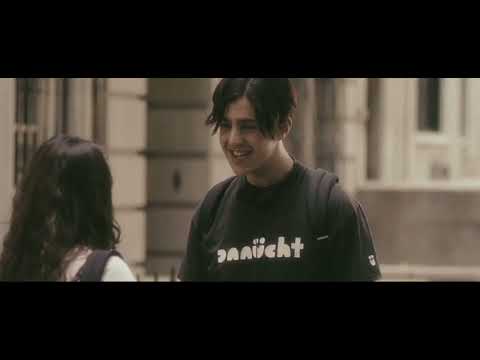
- Central Park hang: Luke and Stephanie share beers and flirt in the shade while this slow-burn favorite bleeds from a nearby radio/boombox.
- Why it matters:
- Soundtrack as chemistry — the groove sells a crush before anyone says a word.
“The What” (The Notorious B.I.G. feat. Method Man)
- Where it plays:
- Used as an early energy spike over Luke’s delivery rounds; Method Man also turns up on screen as his supplier, blurring the soundtrack’s world with the film’s.
- Why it matters:
- Cred in one move: B.I.G. on the speakers, Wu-Tang in the cast.
“Summertime” (DJ Jazzy Jeff & The Fresh Prince)
- Where it plays:
- Montage of sticky days and city stoops — passing time, passing blunts, passing glances. Non-diegetic; pure vibe.
- Why it matters:
- Sun-bleached nostalgia with zero irony — the season itself becomes a character.
“The World Is Yours (reprise cue)” / Score: David Torn
- Where it plays:
- Torn’s ambient textures pick up where the classics leave off — late-night subway solitude, aftermath of a misstep, the quiet in Luke’s bedroom.
- Why it matters:
- Gives the movie its breath between bangers — a reflective counter-voice that keeps the story human.
“Gimme Some Truth”–style beat (editorial needle-drop ethos)
- Where it plays:
- During newsy montages and voice-over confessionals, the film favors tracks that underline theme over plot mechanics; the mix is purposeful, not random jukebox.
- Why it matters:
- Levine’s selections are lyric-literate; they comment on scenes instead of just decorating them.
“Just a Friend” (Biz Markie)
- Where it plays:
- Luke’s romantic expectations collide with reality; the hook lands like a joke everyone’s heard before.
- Why it matters:
- Comic relief with sting — the chorus is a shrug you can dance to.
“Bump n’ Grind” (R. Kelly)
- Where it plays:
- House-party/sweaty-club beat — bodies close, emotions confused; Luke watches, learns, pretends he belongs.
- Why it matters:
- Shows the movie’s willingness to be era-accurate, mess and all.
“Tearz” (Wu-Tang Clan)
- Where it plays:
- Post-fight cool-down and bad news in the neighborhood. The sample-sadness doubles the hurt.
- Why it matters:
- Consequences arrive; the soundtrack drops bravado for grief.
“Long Shot Kick De Bucket” (The Pioneers)
- Where it plays:
- Street-corner laugh to break tension — a reggae oldie floats through an open bodega door.
- Why it matters:
- A New York truth: someone’s always playing something, even on your worst day.

Notes & Trivia
- The film is set in 1994 and leans hard on period-correct hip-hop — by design, per the director.
- Method Man appears as Luke’s supplier; Biggie’s “The What” (featuring Method Man) leads off the retail album — a neat meta-touch.
- The soundtrack was issued in a standard 13-track edition with a later deluxe digital variant adding bonus cuts.
- Composer David Torn’s airy, guitar-forward score never got a wide standalone commercial release, but cues circulate among fans.
- Some songs in early festival edits shifted for the final cut — a common fate when clearances finalize late.
Reception & Quotes
Reviewers called the album a time-capsule triumph and the movie’s not-so-secret weapon. Hip-hop press and indie outlets alike praised the curation and how tightly lyrics track the plot.
“A prime selection of early ’90s hip-hop and R&B — more than nostalgia, it’s narrative.” Album review
“Even the obvious pick — ‘Summertime’ — hits exactly right.” Rap capsule
“We hoped Torn’s sun-stroked score would get its own release; it stitches the film together.” Festival-season note
Interesting Facts
- Sundance to sidewalk: The film won Sundance’s Audience Award and doubled down on its needle-drop identity on the way to theaters.
- Label puzzle: The album credits Zomba (under Sony) — not trivial when you’re licensing across multiple legacy catalogs.
- Lyrics as commentary: Several placements are almost on-the-nose thematically (water tower with “Heaven & Hell”; sobriety with “Can I Kick It?”).
- Cast crossover: Method Man’s screen role + Wu/Biggie on the disc gives the movie extra-era credibility.
- Mixtape mood: Fans often circulate unofficial score/alt-mixes to “complete” what the retail album didn’t capture.
Technical Info
- Title: The Wackness — Music From the Motion Picture
- Year: 2008 (album streeted June 24, 2008)
- Type: Songs compilation + original score (in film)
- Composer (score): David Torn
- Music supervision: Gabe Hilfer (with additional supervision/clearances credited in press materials)
- Label: Zomba Recording LLC (Sony)
- Selected notable placements: “The World Is Yours” (city-as-ambition opener); “Heaven & Hell” (water-tower reflection); “Can I Kick It?” (Squires’ self-denial beat); “Can’t You See” (Central Park flirt); “Summertime” (season montage); “Tearz” (consequences)
- Availability: Standard and deluxe digital editions widely available on major platforms; physical CD released in 2008
Questions & Answers
- Who composed the original score?
- David Torn — his gauzy, guitar-textural cues bridge the needle-drops.
- Is the retail album all hip-hop?
- Mostly classic East-Coast hip-hop and R&B, with a reggae oldie for texture; Torn’s score is separate in-film.
- Which scene best sums up the soundtrack’s approach?
- The water-tower moment with Raekwon’s “Heaven & Hell” — lyric and image in perfect lock.
- Was the album expanded?
- Yes — a deluxe digital edition adds a couple of tracks beyond the 13-song standard release.
- Does anyone from Wu-Tang appear on screen?
- Yes — Method Man acts in the film; Wu-Tang tracks and Biggie’s collab appear on the album.
Key Contributors
| Entity | Relation | Entity |
|---|---|---|
| Jonathan Levine | wrote & directed | The Wackness (2008) |
| David Torn | composed original score for | The Wackness (2008) |
| Gabe Hilfer | music supervised | The Wackness (2008) |
| Zomba Recording LLC (Sony) | released | Soundtrack album (2008) |
| Sony Pictures Classics | distributed | the film |
| Nas; A Tribe Called Quest; Raekwon; The Notorious B.I.G.; Total; DJ Jazzy Jeff & The Fresh Prince; Wu-Tang Clan; Biz Markie; KRS-One | performed | featured soundtrack cuts |
| New York City (1994) | setting evokes | the era the music comes from |
| Central Park | onscreen location for | Luke & Stephanie bonding scene with “Can’t You See” |
Sources: album pages/credits; interviews and festival notes; soundtrack reviews; scene references in director commentary and summaries; official trailers.
November, 29th 2025
A-Z Lyrics Universe
Cynthia Erivo Popular
Ariana Grande Horsepower
Post Malone Ain't No Love in Oklahoma
Luke Combs Good Riddance (Time of Your Life)
Green Day Bye Bye Bye
*NSYNC You're the One That I Wan
John Travolta & Olivia Newton-John I Always Wanted a Brother
Braelyn Rankins, Theo Somolu, Kelvin Harrison Jr. and Aaron Pierre The Power of Love
Frankie Goes to Hollywood Beyond
Auli’i Cravalho feat. Rachel House MORE ›