
"This Is 40" Soundtrack Lyrics
Movie • 2012
Track Listing
Yoko Ono
Norah Jones
Graham Parker with Punch Brothers
Lindsey Buckingham
Paul Simon
Ryan Adams
Paul McCartney
Lindsey Buckingham Featuring Norah Jones
Jon Brion
Graham Parker & The Rumour
Loudon Wainwright
Lindsey Buckingham
Fiona Apple
Ryan Adams
Wilco
The Avett Brothers
Graham Parker & The Rumour
“This Is 40 — Original Motion Picture Soundtrack” – Album Guide to Tracks and Key Scenes
Review
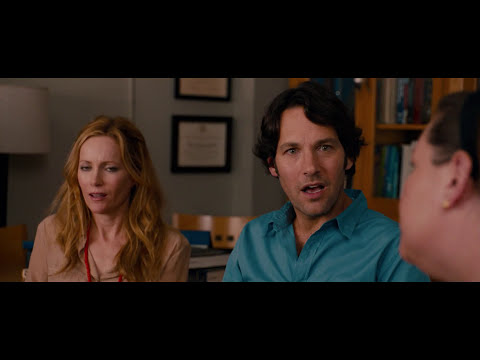
What if middle age sounds like your old vinyl shelf—only braver? This Is 40 leans on needle-drops and a warm Jon Brion score to turn domestic skirmishes into melodic confessionals. Judd Apatow builds the Whitman sampler of adulthood—kids, money, intimacy—and lets the soundtrack do the translating: wistful folk when denial cracks, power-pop when confidence returns, and club bangers when denial makes a comeback.
The movie’s musical spine is sly: Pete (Paul Rudd) literally works in independent music, so Graham Parker & The Rumour appear not as garnish but as plot. Around that, the album curates era-spanning names—Paul Simon, Paul McCartney, Lindsey Buckingham, Norah Jones, Wilco, Ryan Adams—with Brion’s cues as glue. The mix says: growing up hurts; growing older grooves.
Genres & themes in phases — jangly college rock & power-pop: stubborn optimism; singer-songwriter & Americana: reflective resets; classic rock: denial and escape; contemporary R&B/hip-hop: bravado and comic relief; Brion’s chamber-pop motifs: tenderness after the storm.
How It Was Made
Composer Jon Brion crafts understated motifs and produced the compilation’s original-material flow, while music supervisor Jonathan Karp wrangled a cross-label slate that ranges from Yoko Ono to Wilco. Capitol/Universal issued the album alongside release, with notable fresh contributions (Fiona Apple’s “Dull Tool”) and in-story performances by Graham Parker & The Rumour, who reunited on and around the film.

Tracks & Scenes
“Yes, I’m Your Angel” (Yoko Ono)
- Where it plays:
- Opening breaths of the film (~0:02). A whimsical wink over early-morning domestic bustle; sets an off-kilter, playful mood. Non-diegetic.
- Why it matters:
- Signals that this isn’t a syrupy holiday; it’s bittersweet, eccentric adulthood.
“Debaser” (Pixies)
- Where it plays:
- Pete car-sings with chaotic gusto (~0:10). Quick cuts between lanes and lyrics, kids cringing; diegetic via car stereo.
- Why it matters:
- Dad-rock catharsis; his rebellion is now traffic, volume, and a chorus yelled into the windshield.
“Roman’s Revenge” (Nicki Minaj)
- Where it plays:
- Debbie hits Sadie’s iPod and blasts it from the bath (~0:17). Everyone ends up dancing and goof-fighting around the house; diegetic.
- Why it matters:
- Parental control meets teenage energy; the track’s snarl refracts as comic chaos.
“Rooster” (Alice in Chains)
- Where it plays:
- Pete dials down noise, declares “good-mood music” for family time (~0:18). Diegetic; the joke’s in the mismatch.
- Why it matters:
- Grunge as dad’s self-care—perfectly, hilariously wrong for the room.
“Local Girls” (Graham Parker)
- Where it plays:
- Introduced by Pete at a live set (~0:15). Cuts between stage and Pete’s anxious pride. Diegetic performance.
- Why it matters:
- It’s Pete’s gamble as a label guy—and his nostalgia made flesh.
“Rewrite” (Paul Simon)
- Where it plays:
- Self-help montage (~0:29): junk purges, checkups, vows. Non-diegetic.
- Why it matters:
- On-the-nose title, perfect sentiment: revision is survival.
“Shining Through the Dark” — Live (Ryan Adams)
- Where it plays:
- Kid-free weekend getaway (~0:43). Hotel quiet, shared glances; the room softens around them. Non-diegetic.
- Why it matters:
- Tips the film from sarcasm toward vulnerability without speechifying.
“Lunch Box/Odd Sox” (Paul McCartney)
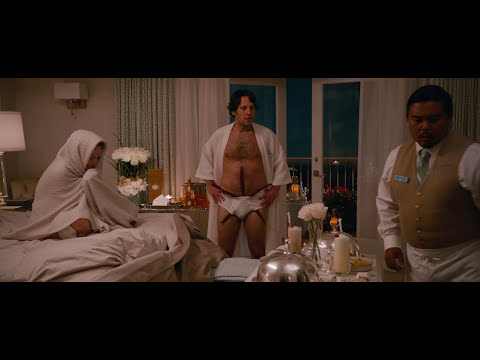
- Where it plays:
- Room-service high jinks (~0:47). The slap-happy rhythm underwrites mischievous intimacy. Non-diegetic.
- Why it matters:
- Deep-cut McCartney = crate-digger flex and marital sparkle.
“We Run This” (Missy Elliott) → “Shake Your Body (Down to the Ground)” (The Jacksons)
- Where it plays:
- Debbie and Desi’s club sequence (~1:08–1:10). Two-song flow; neon, banter with hockey players; diegetic in-venue.
- Why it matters:
- Confidence montage for Debbie; comic set-piece powered by rhythm.
“Where Them Girls At” (David Guetta feat. Flo Rida & Nicki Minaj)
- Where it plays:
- Club continues (~1:12), dance-floor escalation and cutaways. Diegetic.
- Why it matters:
- Turns the scene into a music-video-within-a-movie; pure propulsion.
“Watch the Moon Come Down” (Graham Parker & The Rumour)
- Where it plays:
- Pete sulks in his car; Parker drifts in (~1:16). Streetlights, doubt, and a veteran’s croon. Non-diegetic bleed from story world.
- Why it matters:
- Mirror song for a midlife comedown; the film’s thesis in one weary melody.
“Days That We Die” (Loudon Wainwright III)
- Where it plays:
- Post-fight grace note (~1:25). A note slipped under a door; a house exhales. Non-diegetic.
- Why it matters:
- Loudon’s fatalism reads like acceptance therapy.
“Paradise by the Dashboard Light” (Meat Loaf)
- Where it plays:
- Pete and his kids belt it in the car (~1:28). Joy, silliness, togetherness; diegetic sing-along.
- Why it matters:
- Rare full-family harmony—earned, messy, ecstatic.
“Fantine’s Death: Come to Me” (Les Misérables — Original London Cast)
- Where it plays:
- In Sadie’s room (~1:35). A teen’s dramatic soundtrack to teen drama; diegetic.
- Why it matters:
- Comic counterpoint: maximalist tragedy for very online angst.
“Sick of You” → “Live and Die” (Lindsey Buckingham; The Avett Brothers)
- Where it plays:
- Back-yard party run of songs (~1:40–1:42). Clinking glasses, wary smiles, neighbors drifting in. Non-diegetic.
- Why it matters:
- Two takes on partnership: Buckingham’s weary candor, Avetts’ hopeful lift.
“The Weight” (The Band)
- Where it plays:
- Fathers collide with pent-up grievances (~1:50). Non-diegetic classic eases a hard conversation.
- Why it matters:
- American songbook as conflict lubricant.
“Theme 1 (Debbie & Oliver)” (Jon Brion)
- Where it plays:
- Yard-front reckoning (~1:53). A gentle, cyclical figure under a small truth. Non-diegetic score cue.
- Why it matters:
- Brion’s motif reframes snark as tenderness.
“Dull Tool” (Fiona Apple)
- Where it plays:
- Pete pedals off, reset in motion (~1:58). Non-diegetic; a prickly, percussive push into epilogue.
- Why it matters:
- Original for the film; Apple’s thorns fit the film’s honest edges.
“Lucky Now” — Live (Ryan Adams) → “I Got You (At the End of the Century)” (Wilco)
- Where it plays:
- Concert glow and credits roll (~2:06–2:08). Non-diegetic into credits.
- Why it matters:
- From reflective to communal: the film lands on a sing-together, not a speech.
Notes & Trivia
- Graham Parker & The Rumour’s on-camera reunion threads through plot and album selections.
- Fiona Apple contributed the original “Dull Tool,” written for the film and ultimately released on the soundtrack after initial uncertainty.
- Wilco’s “I Got You” appears over credits; Apatow’s team even discussed a reworked feel to fit the film’s tone.
- Capitol issued the compilation; Brion produced elements and contributes a key score cue (“Theme 1”).
- Music supervisor Jonathan Karp is credited for navigating the cross-catalog clearances and sequencing.
Reception & Quotes
Critics were mixed on the movie’s sprawl, warmer on the soundtrack’s curatorial sweep—veterans beside contemporaries, with story-integrated performances.
“Funny and perceptive scenes… buried in aimless self-indulgence.” Rotten Tomatoes — Critics’ Consensus
“A soundtrack worth your time… big names alongside newer acts.” HeyUGuys (album review)
“Jones’ ‘Always Judging’ is a standout, bright piano against a cutting refrain.” AP/Yahoo review
Interesting Facts
- Label life on screen: Pete’s indie-label storyline lets the film stage real live sets—Parker isn’t a cameo, he’s a catalyst.
- Two Pauls, two moods: Simon’s “Rewrite” scores self-improvement; McCartney’s “Lunch Box/Odd Sox” scores mischief.
- Brion’s fingerprint: Beyond scoring, he helped the album feel like one conversation, not a jukebox.
- Credits sing-out: Wilco in the credits leans celebration over sentiment.
- Family car canon: The Meat Loaf sing-along became a fan-cited highlight every rewatch season.
Technical Info
- Type: Original Motion Picture Soundtrack (various artists + score cue)
- Title: This Is 40 — Original Motion Picture Soundtrack
- Year: 2012 (album streeted mid-December 2012; digital editions followed)
- Film: This Is 40 (2012), dir. Judd Apatow
- Composer (score): Jon Brion
- Music Supervisor: Jonathan Karp
- Label: Capitol Records (Universal Music)
- Selected placements: “Debaser” (car blast); “Roman’s Revenge” (bath dance); “Shining Through the Dark” (getaway); “Paradise by the Dashboard Light” (car sing-along); “Dull Tool” (late-film push); “I Got You” (credits).
- Availability: Streaming/download (Apple Music, Spotify); physical CD via Capitol.
Questions & Answers
- Who wrote the score for This Is 40?
- Jon Brion—his gentle motifs connect the big needle-drops and performances.
- Is the Graham Parker storyline real?
- It riffs on a real-life reunion; Parker & The Rumour reconvened and appear in the film and on the album.
- What brand-new song was written for the movie?
- Fiona Apple’s “Dull Tool,” created for the film and ultimately released on the soundtrack.
- What plays over the family sing-along?
- Meat Loaf’s “Paradise by the Dashboard Light,” a joyous car-karaoke peak.
- Where can I hear the soundtrack?
- On major services (Apple Music, Spotify) and on CD through Capitol Records.
Key Contributors
| Subject | Relation | Object |
|---|---|---|
| Judd Apatow | directed | This Is 40 (2012) |
| Jon Brion | composed score for | This Is 40 (film) |
| Jon Brion | produced/curated elements of | This Is 40 — Original Motion Picture Soundtrack |
| Jonathan Karp | music supervised | This Is 40 (film & album assembly) |
| Graham Parker & The Rumour | performed in | Film narrative & soundtrack selections |
| Fiona Apple | wrote/performed | “Dull Tool” (original for film) |
| Wilco | performed | “I Got You (At the End of the Century)” (credits) |
| Ryan Adams | performed | “Shining Through the Dark” (live) |
| Capitol Records | released | This Is 40 — Original Motion Picture Soundtrack (2012) |
| Universal Pictures | distributed | This Is 40 (theatrical) |
Sources: AllMusic; Discogs; Apple Music; Spotify; Variety review credits; Metacritic credits; Pitchfork; Billboard; The Atlantic; SoundtrackRadar (timestamps); ScreenRant; Rotten Tomatoes; Universal/YouTube trailer.
November, 29th 2025
Read about an American comedy film 'This Is 40': Wikipedia, IMDbA-Z Lyrics Universe
Cynthia Erivo Popular
Ariana Grande Horsepower
Post Malone Ain't No Love in Oklahoma
Luke Combs Good Riddance (Time of Your Life)
Green Day Bye Bye Bye
*NSYNC You're the One That I Wan
John Travolta & Olivia Newton-John I Always Wanted a Brother
Braelyn Rankins, Theo Somolu, Kelvin Harrison Jr. and Aaron Pierre The Power of Love
Frankie Goes to Hollywood Beyond
Auli’i Cravalho feat. Rachel House MORE ›