
"Tinker Bell and the Legend of the Neverbeast" Soundtrack Lyrics
Movie • 2014
Track Listing
Joel McNeely
Float
Joel McNeely
Joel McNeely
Joel McNeely
Joel McNeely
KT Tunstall
Joel McNeely
Joel McNeely
Joel McNeely
Joel McNeely
Joel McNeely
Joel McNeely
Joel McNeely
Joel McNeely
Joel McNeely
Joel McNeely
Joel McNeely
Joel McNeely
Joel McNeely
Joel McNeely
Joel McNeely
KT Tunstall
Joel McNeely
Bleu
"Tinker Bell and the Legend of the NeverBeast (Original Soundtrack)" – Album Guide to Tracks and Key Scenes
Review
What if friendship sounded like thunder gathering… and a pop melody choosing trust over fear? This soundtrack answers with a gentle one–two: Joel McNeely’s expansive, storm-haunted score and KT Tunstall’s trio of songs that humanize a myth.
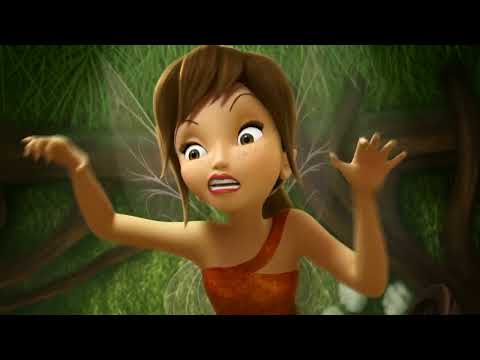
The film pivots from Tink to Fawn, the animal fairy who befriends a giant “NeverBeast.” McNeely writes with weather in mind — horns like distant thunder, airy woodwinds for Pixie Hollow’s innocence, and a choral hue that blooms when the millennium storm crests. Threaded through: Tunstall’s “Float,” “Strange Sight,” and the credits duet “1000 Years” (with Bleu). The songs are unashamedly sincere, yet the production is modern and light on its feet, giving the score room to roar when towers rise and lightning strikes.
Across the album, phases do story work: acoustic pop — curiosity, play; modal strings & horn chorales — ancient cycles; motoric percussion — scouting pursuit; hymn-like codas — farewell and renewal. It’s compact, emotive, and sturdier than you expect from a “direct-to-video” entry — because the music treats Fawn and Gruff like myth, not merch.
How It Was Made
DisneyToon tapped Joel McNeely — veteran of the Fairies series — to score Fawn’s story; sessions took place at the Newman Scoring Stage with a large orchestra and choir. Pop songwriter–producers KT Tunstall and Bleu contributed original songs, joined by a film version of “Strange Sight” penned by Rob Cantor. Walt Disney Records released the album digitally in December 2014 ahead of international rollouts; the U.S. home release followed in March 2015.

Tracks & Scenes
Key placements with cinematic context. Times are described by story beat (home releases vary).
“Float” (KT Tunstall)
- Where it plays:
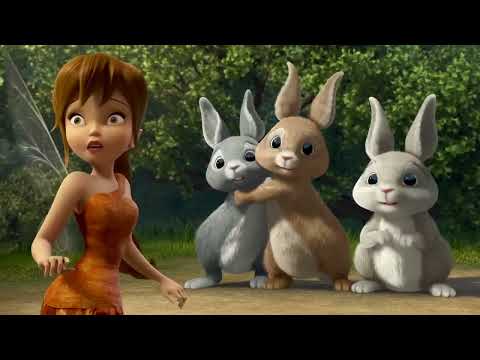
- Opens the film over Fawn’s day-in-the-life — tending critters, joy-flying, and getting in just enough trouble to worry Queen Clarion. Buoyant guitars ride aerial cuts of Pixie Hollow; it functions as Fawn’s signature.
- Why it matters:
- Establishes tone: curious, kind, impulsive. Pop warmth invites younger listeners in before the myth gets heavy.
“Strange Sight” (KT Tunstall; written by Rob Cantor)
- Where it plays:
- Discovery/bonding montage when Fawn finds the hulking creature in the ruins and chooses compassion. As she studies his habits and shields him from the Scouts, the lyric refrains over soft percussion; daylight narrows to lantern glow.
- Why it matters:
- Musically reframes “the monster” as misunderstood. The song’s tender POV becomes the movie’s moral compass.
“Strange Sight (Reprise)” (KT Tunstall)
- Where it plays:
- Late in the film as trust fractures then heals — a brief emergent reprise when Gruff’s purpose is revealed and Fawn stakes her faith publicly.
- Why it matters:
- The reprise carries the emotional receipt: Fawn read him right; the town didn’t.
“The 1000 Year Comet” (score — Joel McNeely)
- Where it plays:
- Prologue and lore beats setting the millennium cycle. Wide, noble horn lines and hushed choir chart the comet’s arc across painted night skies.
- Why it matters:
- Plants the myth engine — every leitmotif will bend back to this cosmic clock.
“Fawn Discovers Gruff” → “Becoming Friends” (score)
- Where it plays:
- From the thorn-in-paw cave scene through measured observations. Clarinet and pizzicato sketch caution; the harmony warms as Gruff accepts help.
- Why it matters:
- Shows how orchestration mirrors behavior — guarded low strings relax into open-voiced chords as trust builds.
“Naming Gruff” (score)
- Where it plays:
- Fawn, giddy, christens the creature “Gruff.” A small, two-note motif becomes his identity tag, echoed later by horns at heroic scale.
- Why it matters:
- Motif economy — a nickname becomes a theme, then a hymn.
“The Scouts Hunt for Gruff” → “Nyx Chases Gruff” (score)
- Where it plays:
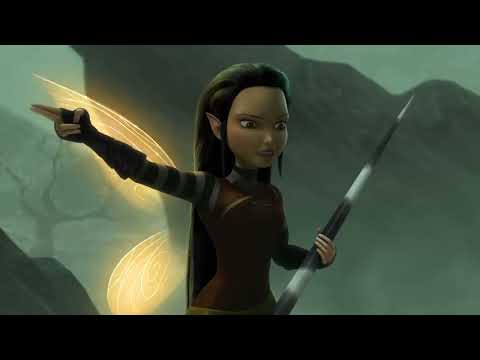
- Scout Fairy Nyx pieces together the prophecy and mobilizes. Snare ostinati and angular brass cut through foliage as pursuit tightens; intercut library research and field chases.
- Why it matters:
- Turns duty into rhythm — you feel Nyx’s certainty even as the audience doubts it.
“Building the Towers” (score)
- Where it plays:
- Gruff stacks stone spires at cardinal points while clouds bank overhead. Low brass pedal + crystalline upper strings = purpose without menace.
- Why it matters:
- Ambiguity cue: are these pylons for destruction or protection? The harmony refuses to answer — yet.
“Collecting Lightning” → “Into the Eye of the Storm” (score)
- Where it plays:
- Climactic storm. Gruff channels bolts through the towers; fairies race to help. Choir swells; percussion slams like rain on slate. A brass chorale tips from dread to awe.
- Why it matters:
- The reveal: he’s guarding, not dooming. The music turns the prophecy inside out in real time.
“Fawn & Gruff Fall from the Sky / Mourning Fawn” (score)
- Where it plays:
- After the last surge, silence — then the rescue costs Fawn dearly. Strings thin to solo lines; woodwinds tremble; a single bell marks breath.
- Why it matters:
- Unusually raw for the series — grief is allowed to sit before the epilogue’s light returns.
“Saying Goodnight” (score) → “1000 Years” (KT Tunstall & Bleu)
- Where it plays:
- Epilogue. Pixie Hollow rebuilds; Gruff returns to slumber. The end-credits duet enters with a lullaby lilt — hopeful, cyclical, true to the film’s long-view heart.
- Why it matters:
- The pop melody seals the myth with human-scale warmth — a promise to meet again when the comet returns.
Notes & Trivia
- The album pairs three KT Tunstall songs with a full McNeely score — a generous 25-track program for a family feature.
- “Strange Sight” was written by Rob Cantor (of Tally Hall) specifically for Fawn’s first encounter with Gruff.
- Bleu produced the pop material and co-sings the end-credits duet “1000 Years.”
- Tracking the myth: the score’s horn chorales return each time the comet or towers are foregrounded.
- Sessions were photographed at the Newman Scoring Stage — an orchestral home for many Disney projects.
Reception & Quotes
Reviewers called the music warm and surprisingly weighty for a Fairies entry. Family outlets singled out the KT Tunstall cues; film-music watchers praised McNeely’s storm architecture.
“Tunstall’s songs provide a perfect backdrop; McNeely’s cues swell when it counts.” GeekDad
“Bouncy pop (‘Strange Sight’) and a robust 7.1 mix — a cut above DTV expectations.” The Morton Report (Blu-ray)
“Recorded with full orchestra and choir — big heart, bigger weather.” ScoringSessions.com
Interesting Facts
- Three-song arc: “Float” (opening), “Strange Sight” (bonding), “1000 Years” (farewell) mirror the plot.
- Myth math: The comet’s millennial cycle drives the harmony: chorales pivot to minor when the storm nears.
- Scout rhythm: Nyx’s chase motifs use snare ostinati and clipped brass — duty as groove.
- Reprise with purpose: A short “Strange Sight” reprise lands right as Gruff’s intent is understood.
- Album-first generosity: 57 minutes of music — unusually long for a kids’ spin-off.
Technical Info
- Title: Tinker Bell and the Legend of the NeverBeast (Original Soundtrack)
- Year: 2014 (album); U.S. home release March 2015
- Type: Animated film soundtrack (score + songs)
- Composer: Joel McNeely
- Songs (selected): “Float” (KT Tunstall), “Strange Sight” & reprise (KT Tunstall; written by Rob Cantor), “1000 Years” (KT Tunstall & Bleu)
- Label: Walt Disney Records
- Recording: Orchestra/choir sessions at the Newman Scoring Stage
- Album length: ~57 minutes; 25 tracks (digital)
- Availability: Streaming (Apple Music/Spotify) and digital stores; CD editions circulated regionally.
Questions & Answers
- Who wrote and performed the songs?
- KT Tunstall performs all three featured songs; “Float” and “1000 Years” were written/produced by Bleu, while “Strange Sight” was written by Rob Cantor.
- Which song opens the movie?
- “Float.” It introduces Fawn and her free-spirited routine across Pixie Hollow.
- What plays over the end credits?
- “1000 Years,” a duet by KT Tunstall and Bleu.
- Is “Strange Sight” heard in a specific scene?
- Yes — during Fawn’s discovery and early bonding with the NeverBeast; it returns briefly as a reprise near the resolution.
- Is there a full score album?
- Yes — Walt Disney Records released a 25-track digital album mixing score cues with the three songs.
Key Contributors
| Entity | Relation (S–V–O) |
|---|---|
| Joel McNeely | Composer — scored the film with orchestra/choir; weather-and-myth leitmotifs. |
| KT Tunstall | Performer — sang “Float,” “Strange Sight,” and “1000 Years.” |
| Bleu (William James McAuley III) | Songwriter/Producer — wrote/produced “Float”; co-wrote/performed “1000 Years.” |
| Rob Cantor | Songwriter — wrote “Strange Sight” (and its reprise) for the film. |
| Steve Loter | Director — shaped placement and tone of songs and score. |
| DisneyToon Studios | Studio — produced the feature. |
| Walt Disney Records | Label — released the soundtrack (digital/CD). |
| Newman Scoring Stage | Venue — hosted the orchestral recording sessions. |
Sources: Apple Music; Spotify; ScoringSessions.com; Film Music Reporter; Disney Wiki; Shazam album listing; Bleu official credits; Laughing Place interview; GeekDad; The Morton Report; Official trailers on YouTube.
Cartoon received so much positive feedbacks that you wonder – what for? Let's try to find out. Firstly, it is a good fairytale. Yes, a little corny, yes, unpretentious, but it was very kind one. Secondly, it teaches very important things, although they have long been known for now: you cannot judge a book by its cover, and a person (in this case the monster) by his appearance. Of course, we all know the truth, but how often do we use this knowledge? It is very important to repeat such good wisdom, but even more so to give it in such an accessible and understandable way, as to explain to a child. Another main point, which extends through the whole story – the importance of not only reasonable, cold calculation, but it is also about feelings. Classic once wrote: "You cannot see the main things with eyes" and he was right at all sides. Thirdly, the film pleases with its graphics. Yes, some do not like this kind of canon of beauty of fairies – some having waists beginning from the neck – but they have awfully nice muzzles, spouts-winged noses, long eyelashes and bright dresses. What is interesting – not only girls are attractive characters – maybe it's a monster, around which the story revolves, but the boys watch a cartoon with pleasure also. As for the musical accompaniment, it can also be attributed to the unquestionable advantages: light music, pleasant singing, unobtrusive design, which only helps to improve the perception of the story. The main part of the songs performed by Joel McNeely, beginning from the title The 1000 Year Comet, including the most popular from the rating Rebuilding Pixie Hollow. Collection ends by Blue with his song named 1000 Years. Of course, a rare adult chooses this cartoon for a lone watch, but that's a good idea of making the company to own kid, nephew, godchild, and others like them.November, 29th 2025
Learn more about "Tinker Bell and the Legend of the Neverbeast" on Wikipedia, find movie profile on IMDbA-Z Lyrics Universe
Cynthia Erivo Popular
Ariana Grande Horsepower
Post Malone Ain't No Love in Oklahoma
Luke Combs Good Riddance (Time of Your Life)
Green Day Bye Bye Bye
*NSYNC You're the One That I Wan
John Travolta & Olivia Newton-John I Always Wanted a Brother
Braelyn Rankins, Theo Somolu, Kelvin Harrison Jr. and Aaron Pierre The Power of Love
Frankie Goes to Hollywood Beyond
Auli’i Cravalho feat. Rachel House MORE ›