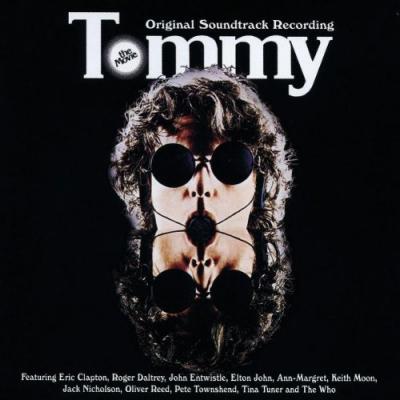
"Tommy" Soundtrack Lyrics
Movie • 1975
Track Listing
"Tommy (Original Soundtrack Recording)" – Album Guide to Tracks and Key Scenes
Review
How do you make a rock opera louder than cinema? You let The Who rebuild their 1969 epic with film-sized synths, guest-star pyrotechnics, and Ken Russell’s fever-dream visuals. The 1975 Original Soundtrack Recording is not a simple lift from the stage album — it’s a reimagining: Pete Townshend supervises, the band re-records, and a parade of icons (Tina Turner, Elton John, Eric Clapton) step into character like soloists in a wild mass.
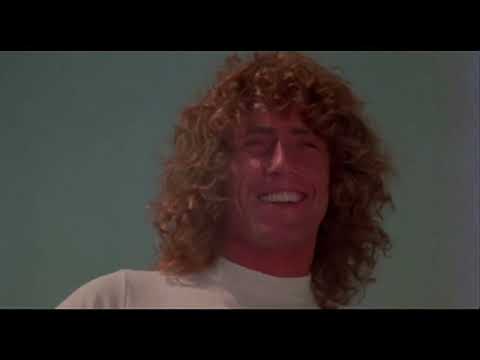
On screen, the music narrates almost everything: Ann-Margret and Oliver Reed sing their domestic spiral; Roger Daltrey’s Tommy travels from trauma to sainthood to backlash, with choruses that turn into crowds. Sonically it’s a new alloy — Moog and ARP shine where an orchestra might have, brass overdubs thicken riffs, and the mix aims for Quintaphonic impact. The album captures that scale without losing the grit.
In phases: synth-laced hard rock — prophecy and spectacle; R&B/Gospel cameos — earthly temptation (“Acid Queen,” “Eyesight to the Blind”); music-hall & glam — satirical shine (“Cousin Kevin,” “Pinball Wizard”); hymn-like codas — “Listening to You / See Me, Feel Me” as spiritual afterglow.
How It Was Made
Pete Townshend oversaw the double-LP film soundtrack sessions at Ramport and Eel Pie (London), bringing in heavy session talent (Nicky Hopkins, Caleb Quaye, Phil Chen) and drafting friends for character songs. Elton John’s “Pinball Wizard” was produced by Gus Dudgeon with Elton’s own band; otherwise The Who produced, with Townshend layering synths to realize orchestral colors he’d imagined back in ’69. Ken Russell’s film reordered several numbers and added new ones (“Champagne,” “Mother and Son”) to fit the screen narrative.
Tracks & Scenes
Major songs and where they land. Scene timings vary by cut; descriptions follow the film order.
“Overture from Tommy” (The Who)
- Where it plays:
- Stylized prologue: wartime romance, V-E Day, and the birth of Tommy. Themes we’ll hear later flicker through as images of sky, sand, and sea establish a mythic home movie.
- Why it matters:
- Frames the saga — memory scored like destiny.
“Captain Walker / It’s a Boy” (Ann-Margret, Oliver Reed & ensemble)
- Where it plays:
- Nora and Frank’s life after the war; the presumed death of Captain Walker; Tommy’s birth on V-E Day.
- Why it matters:
- Sets up the secret that will break Tommy’s senses later.
“Bernie’s Holiday Camp” → “1951 / What About the Boy?” (Oliver Reed, Ann-Margret)
- Where it plays:
- Cheery camp veneer for a new “uncle” figure; New Year’s Eve confrontation when Captain Walker returns and is killed by Frank as Tommy witnesses in a mirror.
- Why it matters:
- Trauma encoded in pop brightness — the film’s cruelest cut.
“Eyesight to the Blind (The Hawker)” (Eric Clapton)
- Where it plays:
- Inside a kitsch Marilyn-Monroe faith-healing church: neon statues, conveyor-belt devotion, and Clapton leading a gospel-blues plea as the family searches for a cure.
- Why it matters:
- Satire of quick-fix religion; introduces the film’s carnival of “saviors.”
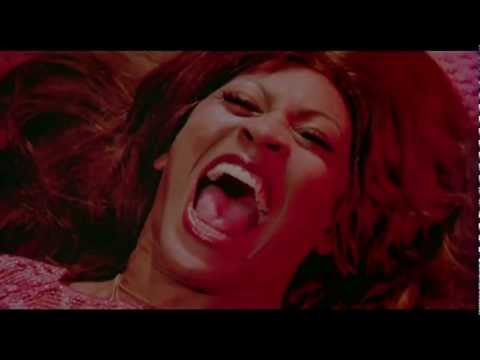
“The Acid Queen” (Tina Turner)
- Where it plays:
- Frank delivers Tommy to a chrome-and-needle ritual; Turner prowls a hall of mirrors that turns into an iron-maiden sensory overload.
- Why it matters:
- Temptation as therapy; Turner’s vocals scorch the screen.
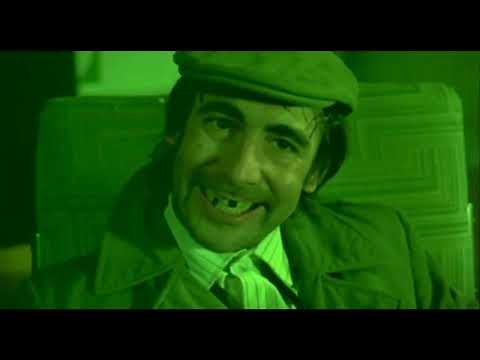
“Cousin Kevin” (Paul Nicholas) → “Fiddle About / Do You Think It’s Alright?” (Keith Moon & company)
- Where it plays:
- Bullying and abuse vignettes — a cruel swimming-pool game; leering Uncle Ernie’s night at the Walkers’ flat.
- Why it matters:
- The show’s darkest beat, staged as bitter music-hall.
“There’s a Doctor / Go to the Mirror!” (Jack Nicholson, Roger Daltrey & ensemble)
- Where it plays:
- Nicholson’s suave specialist offers a thin science; Tommy’s inner chorus presses through glass.
- Why it matters:
- The mirror motif hardens — cure will come from within.
“Smash the Mirror!” → “I’m Free” (Ann-Margret, Roger Daltrey)
- Where it plays:
- Nora’s outburst shatters the mirror; Tommy staggers into a psychedelic rebirth sequence and, finally, sensation.
- Why it matters:
- Awakening scored like sunrise through a prism.
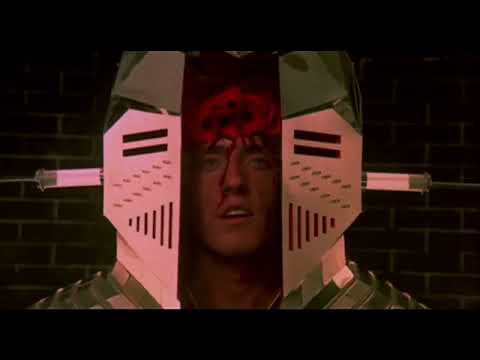
“Pinball Wizard” (Elton John)
- Where it plays:
- Showdown in a gaudy hall; Elton — on towering Doc-Marten boots — fronts a glam army as Tommy trounces him on the machines.
- Why it matters:
- Pure pop-opera spectacle; a cameo turned cultural fossil.
“Champagne” (Ann-Margret & ensemble)
- Where it plays:
- Fame montage after the pinball victory: television blitz, endorsements, and the infamous bean-and-chocolate catharsis in a white room.
- Why it matters:
- Celebrity as overflow — grotesque and weirdly tender.
“Sally Simpson” (The Who & ensemble)
- Where it plays:
- A teenager’s crush on the new messiah ends in stage-rush injury; a church-hall gig turns chaos.
- Why it matters:
- Idolatry meets gravity; the myth starts to crack.
“Sensation” → “Welcome” → “T.V. Studio / Mother and Son” (Daltrey, Reed, Ann-Margret)
- Where it plays:
- Tommy founds a pinball faith, then rejects its material trappings; talk-show smiles hide fractures at home.
- Why it matters:
- Belief curdles when packaged — the film’s thesis in three songs.
“We’re Not Gonna Take It” → “Listening to You / See Me, Feel Me” (Company)
- Where it plays:
- Followers revolt and destroy Tommy’s Holiday Camp; he returns to the mountains and the sea for a final vision as the chorus ascends.
- Why it matters:
- Transcendence with blisters — still one of rock cinema’s great endings.
Notes & Trivia
- The film famously used Quintaphonic exhibition — a five-channel theatrical system designed to showcase the mix.
- Elton John’s “Pinball Wizard” was produced by Gus Dudgeon with Elton’s band; The Who produced the rest, with Townshend adding synths across cues.
- Several numbers shift order from the 1969 album; new songs (“Champagne,” “Mother and Son”) were added for narrative flow.
- The “Pinball Wizard” scene used modified 1965 Gottlieb machines on the Kings Theatre stage in Southsea; Elton performed on towering custom boots.
Reception & Quotes
Contemporary reviews called the film a battering, exact synthesis of music and image; the soundtrack became a hit in its own right, with the guest turns cementing the movie’s pop-opera legend.
“A battering but exact synthesis of sound and images… some of it extraordinary.” 1975 press archive
“The Pinball Wizard, Acid Queen, and babysitter numbers feel perfectly matched to Russell’s audacity.” retrospective
Interesting Facts
- Synth as orchestra: Townshend leaned on ARP/Moog layers to realize colors he’d imagined for the original album.
- Guest star grammar: Casting singers in diegetic cameos (Turner, Elton, Clapton) lets each “temptation” arrive with its own genre.
- Fire on set: A South Parade Pier fire during filming left real smoke in some “Bernie’s Holiday Camp” shots and appears during the Holiday Camp riot montage.
- Credits quirks: Nicky Hopkins receives special thanks for arrangement help; session aces Caleb Quaye and Phil Chen are all over the band tracks.
Technical Info
- Title: Tommy (Original Soundtrack Recording)
- Year: 1975
- Type: Film soundtrack — rock opera (re-recorded/expanded from The Who’s 1969 work)
- Primary songwriter/producer: Pete Townshend (with The Who credited as producers; Gus Dudgeon produced Elton John’s “Pinball Wizard”)
- Artists featured: The Who; Ann-Margret; Oliver Reed; Tina Turner; Elton John; Eric Clapton; Paul Nicholas; Keith Moon; Jack Nicholson (cameo vocal)
- Studios: Ramport & Eel Pie, London
- Label: Polydor (double-LP; 90:35)
- Selected notable placements: “Eyesight to the Blind” (Marilyn chapel); “Acid Queen” (chromed ritual); “Pinball Wizard” (Elton’s showdown); “Champagne” (fame/TV delirium); “We’re Not Gonna Take It” → “Listening to You” (finale)
- Exhibition: Mixed and promoted for Quintaphonic theatrical sound
- Availability: Widely streaming; multiple CD/vinyl editions in print
Questions & Answers
- Is the 1975 soundtrack just the 1969 album?
- No. It’s a film-specific re-record with new arrangements, guests, and a revised song order (plus a few added numbers).
- Who actually produced the music?
- The Who (with Pete Townshend overseeing). Elton John’s “Pinball Wizard” was produced separately by Gus Dudgeon.
- Where does Elton John appear?
- In “Pinball Wizard,” staged as a glam-arena duel with Tommy — Elton on massive boots, backed on screen by The Who.
- Was Tina Turner really the Acid Queen?
- Yes. She performs the title number in a chrome-and-needle sequence that tries — and fails — to “cure” Tommy.
- What is Quintaphonic sound?
- A bespoke 5-channel theatrical system used to premiere the film with a more immersive mix than standard stereo.
Key Contributors
| Entity | Relation (S–V–O) |
|---|---|
| Pete Townshend | Songwriter–producer — supervised recording; added synthesizers/arrangements. |
| The Who (Roger Daltrey, John Entwistle, Keith Moon, Pete Townshend) | Band — re-recorded core score; performed character vocals (Tommy, Uncle Ernie, Narrator). |
| Ken Russell | Director — reordered/added songs for film narrative. |
| Ann-Margret; Oliver Reed | Performers — sang principal roles (Nora; Frank). |
| Tina Turner | Performer — “The Acid Queen.” |
| Elton John | Performer — “Pinball Wizard”; track produced by Gus Dudgeon. |
| Eric Clapton | Performer — “Eyesight to the Blind (The Hawker).” |
| Nicky Hopkins; Caleb Quaye; Phil Chen | Session players — keys/guitars/bass across multiple cues. |
| Polydor Records | Label — released the 1975 double-LP soundtrack. |
Sources: Polydor/Discogs credits; Wikipedia (film & soundtrack); contemporary/retrospective reviews; production notes on locations and Quintaphonic mix; IMDb trailer listing; Amazon catalog copy.
November, 29th 2025
A-Z Lyrics Universe
Cynthia Erivo Popular
Ariana Grande Horsepower
Post Malone Ain't No Love in Oklahoma
Luke Combs Good Riddance (Time of Your Life)
Green Day Bye Bye Bye
*NSYNC You're the One That I Wan
John Travolta & Olivia Newton-John I Always Wanted a Brother
Braelyn Rankins, Theo Somolu, Kelvin Harrison Jr. and Aaron Pierre The Power of Love
Frankie Goes to Hollywood Beyond
Auli’i Cravalho feat. Rachel House MORE ›