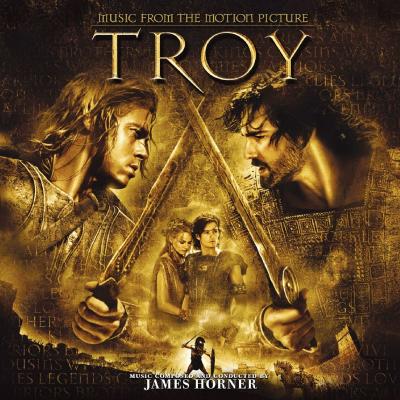
"Troy" Soundtrack Lyrics
Movie • 2004
Track Listing
Josh Groban with Tanja Tzarovska
“Troy (Music From the Motion Picture)” – Album Guide to Tracks and Key Scenes
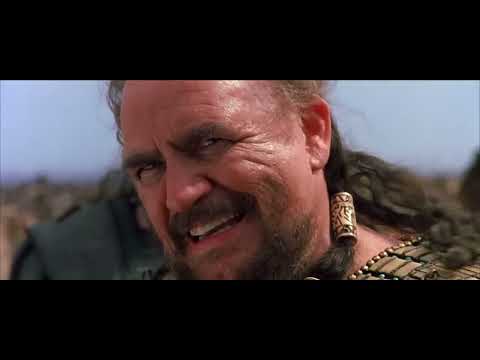
Review
What does myth feel like when it’s rebuilt with drums, brass, and a lone voice? James Horner’s Troy score answers with ritual pulse and smoke-plume melody. Wolfgang Petersen’s film reframes the Iliad as political spectacle and tragic rivalry; the music supplies the ache between heroism and doom — low toms for armies, burnished horns for destiny, and Tanja Tzarovska’s keening vocal to cut through bronze.
The writing is deliberately elemental: repeating ostinati that gather like marching feet, modal themes that bend toward lament, and sudden fanfares that flare and die. The album arcs cleanly — prologue & muster (“3200 Years Ago,” “Troy”) → shock & surge (“Achilles Leads the Myrmidons,” “The Greek Army and Its Defeat”) → intimacy & elegy (“Briseis and Achilles,” “Hector’s Death”) → ruin & remembrance (“The Wooden Horse and the Sacking of Troy,” “Through the Fires… and Immortality”). It’s a big-canvas action score that keeps returning to a human-sized grief.
How It Was Made
Two scores, one release. Gabriel Yared originally composed and recorded a full orchestral/choral score, later rejected after a test screening. Warner Bros. then hired James Horner, who wrote a new score in roughly four weeks, retaining Tanja Tzarovska’s featured vocals and crafting an end-credits song, “Remember Me,” with Josh Groban and lyricist Cynthia Weil. The commercial album (Reprise/Warner) arrived May 11, 2004; in 2017 Intrada issued an expanded 2-CD edition of Horner’s score for collectors.
Horner’s production emphasizes war-drum cadences, Eastern Mediterranean colors, and long-line themes that can swing from swagger to sorrow. Recording and album production were led by Horner with engineer/producer Simon Rhodes; David Foster produced the end-credits single.

Tracks & Scenes
Key cues and how they play on screen (times are approximate to the theatrical cut). “Diegetic” means characters hear it on screen.
“3200 Years Ago” (James Horner)
- Where it plays:
- Prologue/top titles (~00:00–00:04). Low drums roll under maps and invocations of the coming war; Tanja Tzarovska’s voice threads in as a distant omen (non-diegetic).
- Why it matters:
- Sets the mythic scale in a few bars — history as heartbeat.
“Troy”
- Where it plays:
- Early assembly of Greek forces (~00:10). Horn banners and choral weight as Agamemnon rallies kings; cutaways to Menelaus and Paris establish stakes (non-diegetic).
- Why it matters:
- Introduces the brass motto that will shadow every march and council.
“Achilles Leads the Myrmidons”
- Where it plays:
- Beach assault sequence (~00:30). Percussive ostinato and snarling brass as Achilles sprints the sand, shields crash, and the temple is taken (non-diegetic).
- Why it matters:
- Signature action writing — momentum without clutter; the score’s most quoted set-piece.
“The Temple of Poseidon”
- Where it plays:
- After the beachhead (~00:34). A reverent interlude under the looted sanctuary and a tense stand-off between Achilles and Hector (non-diegetic).
- Why it matters:
- Lets silence and space into a movie of clangor — sacredness violated.
“The Greek Army and Its Defeat”
- Where it plays:
- Daytime clash on the plain (~00:55). Martial tread swells to brass fanfares; the cue pivots mid-stream as Ajax falters and Trojan tactics bite (non-diegetic).
- Why it matters:
- Battle writing with narrative turns — triumph teased, then yanked away.
“Briseis and Achilles”
- Where it plays:
- Night-tent intimacy (~01:10). Harp and voice over muted strings as captor and captive disarm each other (non-diegetic).
- Why it matters:
- Humanizes the demigod — a love theme etched in restraint.
“Hector’s Death”
- Where it plays:
- Duel outside Troy’s gate (~01:45). Drums tighten, then fall away to aching vocal lines as the killing blow lands; grief floods the walls (non-diegetic).
- Why it matters:
- The score’s emotional summit — heroism curdles into elegy.
“The Wooden Horse and the Sacking of Troy”
- Where it plays:
- Night infiltration and firestorm (~01:58–02:10). Low, stalking patterns bloom into choral catastrophe as gates open and the city burns (non-diegetic).
- Why it matters:
- Horner’s talent for long crescendos pays off — inevitability becomes tragedy.
“Through the Fires, Achilles… and Immortality”
- Where it plays:
- Finale suite (~02:12–end of film). Themes cycle — love, war, sorrow — into the last image of Achilles and the flight from Troy (non-diegetic).
- Why it matters:
- A summation cue that functions like an end-credits overture.
End-Credits Song — “Remember Me” (Josh Groban & Tanja Tzarovska)
- Where it plays:
- End credits (immediately after the score’s coda). A vocal version built from the love theme.
- Why it matters:
- Gives the epic an intimate farewell — melody becomes lyric.
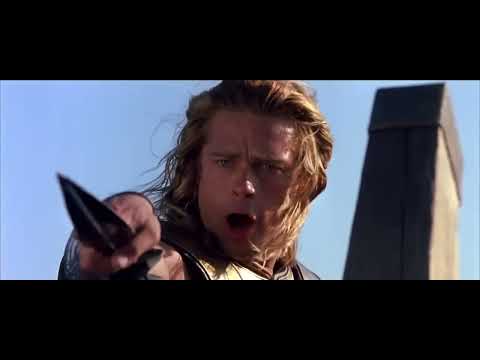
Notes & Trivia
- Gabriel Yared’s completed score was rejected after a test screening; his music later circulated unofficially among fans and critics.
- Horner wrote the replacement score in ~4 weeks, retaining Tanja Tzarovska’s vocals and adding the Josh Groban end-credits single.
- The 2017 Intrada 2-CD expands Horner’s material and restores film versions/alternates; it’s a collector favorite.
- Critics debated similarities between some Horner passages and classical works; the album nevertheless became the de-facto musical identity of the film worldwide.
- Drums dominate the Achilles/Hector duel — a stark contrast to the choral weight used during the city’s fall.
Reception & Quotes
Reception was split — many praised the album’s sweep and set-pieces, while others preferred Yared’s shelved score and called out classical echoes. The expanded Intrada release helped rehabilitate the score’s reputation among fans.
“The replacement score… written in about four weeks.” Wikipedia (Soundtrack overview)
“A highlight… ‘The Greek Army and Its Defeat’ — pounding ostinato, brass fanfares, dramatic strings.” Movie Music UK
“Yared’s work… the pinnacle of his career.” Filmtracks
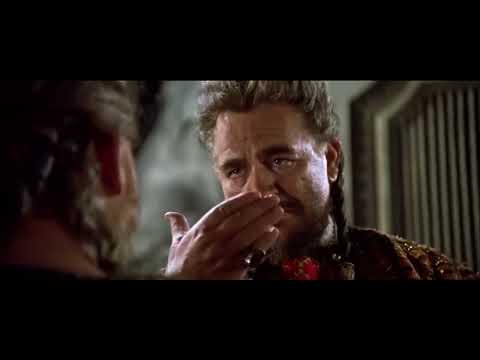
Interesting Facts
- Two voices: Macedonian vocalist Tanja Tzarovska is the score’s sonic soul and also supports Josh Groban on the single.
- Album vs. film: The credits “Remember Me” features a slightly different intro than the CD version.
- Director’s Cut note: Alternate cue edits surface in the extended cut; Intrada’s set documents several film versions.
- Percussion grammar: Horner’s war-drum language (tight, dry, forward) becomes a character of its own in combat scenes.
- Legacy debate: Fans continue to A/B Yared vs. Horner — a rare case where a rejected score built its own mythology.
Technical Info
- Title: Troy (Music From the Motion Picture)
- Year: 2004
- Type: Original score album; separate end-credits song
- Composer: James Horner (replacement score); original rejected score by Gabriel Yared
- Featured vocal: Tanja Tzarovska (score); Josh Groban with Tzarovska (“Remember Me”) — lyrics by Cynthia Weil
- Label/Release: Reprise/Warner Sunset — May 11, 2004 (12 tracks, ~75 minutes); Intrada expanded 2-CD (2017)
- Selected notable cues: “Achilles Leads the Myrmidons”; “The Greek Army and Its Defeat”; “Hector’s Death”; “The Wooden Horse and the Sacking of Troy”; “Through the Fires… and Immortality”
- Availability: Streaming (Apple Music/Spotify); physical CD (original & Intrada expansion)
Questions & Answers
- Who actually scored Troy?
- Gabriel Yared wrote the original score, which was rejected; James Horner composed the replacement score used in the film and album.
- What song plays over the end credits?
- “Remember Me,” performed by Josh Groban with Tanja Tzarovska, based on the score’s love theme.
- Which battle cues do fans talk about most?
- “Achilles Leads the Myrmidons” (beach assault) and “The Greek Army and Its Defeat” (plain of Troy march-to-clash).
- Is the expanded edition worth it?
- Collectors prize Intrada’s 2-CD for film versions and alternates, including material not on the 2004 album.
- What’s special about the vocals?
- Tanja Tzarovska’s wails and language-less syllables act like an ancient chorus, binding action and grief across the score.
Key Contributors
| Entity | Relation (S–V–O) |
|---|---|
| Wolfgang Petersen | Director → oversaw music shift from Yared to Horner |
| James Horner | Composer/Producer → wrote replacement score; produced the album with Simon Rhodes |
| Gabriel Yared | Composer → wrote the original (rejected) score |
| Tanja Tzarovska | Vocalist → featured voice across the score; supports the end-credits song |
| Josh Groban; Cynthia Weil | Singer/Lyricist → co-created and performed “Remember Me” |
| Reprise Records / Warner Sunset | Labels → released the 2004 soundtrack album |
| Intrada Records | Label → issued the 2017 expanded 2-CD edition |
| Simon Rhodes | Engineer/Producer → album engineering/production |
| Warner Bros. Pictures | Studio → released the film (2004) |
Sources: Wikipedia (Soundtrack); Apple Music & Spotify album pages; Discogs (tracklist); Movie Music UK; Filmtracks; JamesHorner-FilmMusic.com (Intrada/artist interviews); moviesost & scene guides; Official trailer on YouTube.
November, 29th 2025
A-Z Lyrics Universe
Cynthia Erivo Popular
Ariana Grande Horsepower
Post Malone Ain't No Love in Oklahoma
Luke Combs Good Riddance (Time of Your Life)
Green Day Bye Bye Bye
*NSYNC You're the One That I Wan
John Travolta & Olivia Newton-John I Always Wanted a Brother
Braelyn Rankins, Theo Somolu, Kelvin Harrison Jr. and Aaron Pierre The Power of Love
Frankie Goes to Hollywood Beyond
Auli’i Cravalho feat. Rachel House MORE ›