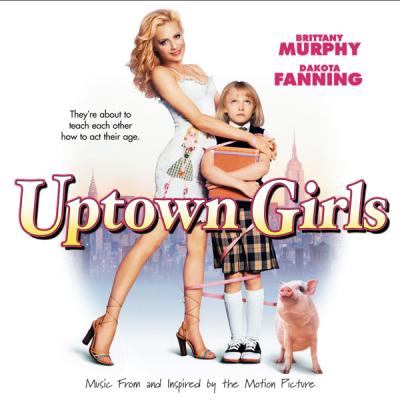
"Uptown Girls" Soundtrack Lyrics
Movie • 2003
Track Listing
Leigh Nash
Chantal Kreviazuk
Erin McKeown
Martina Sorbara
The Weekend
Sense Field
Cooler Kids
Jesse Spencer
Jesse Spencer
Toby Lightman
Keram Malicki-Sanchez
Jesse Spencer
Joely McNeely
"Uptown Girls (Music From and Inspired by the Motion Picture)" – Album Guide to Tracks and Key Scenes
Overview
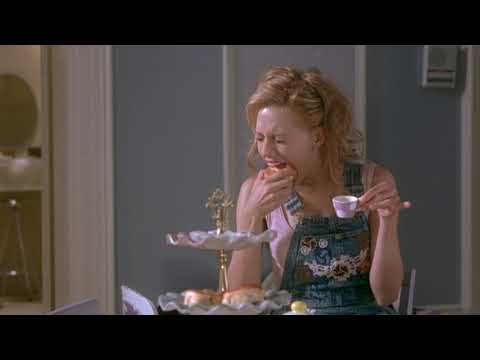
What if a coming-of-age story wasn’t just about a child — but also her nanny? Uptown Girls scores that double-growth arc with glossy early-2000s pop, coffeehouse indie, and a handful of diegetic songs performed by the film’s musician love interest. The music follows Molly (Brittany Murphy) and Ray (Dakota Fanning) from chaotic birthdays to ballet recitals, toggling between fizzy bops and fragile ballads.
The official album gathers radio-friendly tracks (Leigh Nash, Chantal Kreviazuk, Erin McKeown), plus three tunes sung on-screen by Jesse Spencer (“Molly Smiles,” “Sheets of Egyptian Cotton,” “Night of Love”). Joel McNeely’s score peeks in with a brief piano closer. The mix is distinct for a studio rom-com of its moment: several songs live inside the story world (rehearsals, showcases, the final recital), so the soundtrack often is the scene.
Genres & themes in phases: sparkly pop — wish-fulfillment and denial; indie/folk-pop — self-doubt with a backbone; retro soul/disco sprinkles — party masks; diegetic singer-songwriter — vulnerability you can’t dodge; classical ballet cues — discipline vs. joy.
How It Was Made
Director Boaz Yakin leaned on music supervisor Maureen Crowe to thread needle-drops through New York set-pieces while composer Joel McNeely provided light, lyrical score support (the album includes a brief solo-piano cue). The soundtrack was packaged as a compact 13-track release to mirror the film’s pop polish; meanwhile, diegetic performances by Jesse Spencer were tracked so they could function both on camera and on the album.
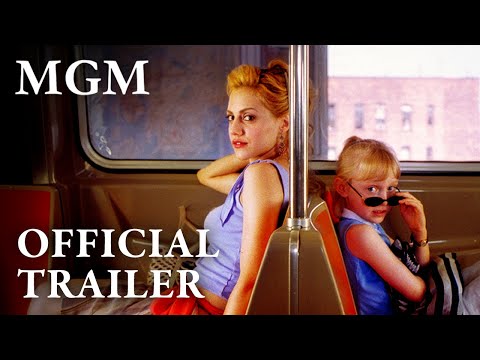
Licensing favored female-led pop and adult-contemporary acts of the era for tone cohesion, with a classical Swan Lake nod reserved for Ray’s ballet world. Trailer marketing leaned on a 2002-03 radio staple to telegraph mood to audiences.
Tracks & Scenes
Exact minute-marks can vary by edition; the placements below align with credited listings, album notes, and widely cited scene pairings. Diegetic (in-world) vs. non-diegetic is noted.
“Charmed Life” (Leigh Nash)
- Where it plays:
- An early upbeat montage frames Molly’s pampered routine and birthday chaos — a bright, radio-ready opener. Non-diegetic.
- Why it matters:
- Introduces the fairy-tale bubble the movie will poke holes in; tonic-sweet melody vs. messy reality.
“Time” (Chantal Kreviazuk)
- Where it plays:
- Quiet reset after a setback — city drift, late-night introspection. Non-diegetic.
- Why it matters:
- Lets the film breathe; adult-contemporary warmth under Molly’s first stabs at responsibility.
“Slung-Lo” (Erin McKeown)
- Where it plays:
- Daylight bustle as Molly pivots into a job she’s hilariously unqualified for. Non-diegetic.
- Why it matters:
- Quirky pulse = Molly’s chaotic charm; a nudge toward growth, not mastery.
“E Is for Everybody (Edit)” (Cooler Kids)
- Where it plays:
- Party vibe/retail montage energy — boutique-bright textures around Manhattan scenes. Mostly diegetic-feeling ambience.
- Why it matters:
- Gives the film its glitter — sparkly, superficial, irresistibly fun.
“On Your Own” (Sense Field)
- Where it plays:
- A turning-point transition when Molly realizes help won’t just appear. Non-diegetic.
- Why it matters:
- Guitar-forward resolve under a character finally choosing agency.
“Sheets of Egyptian Cotton” (Jesse Spencer) — diegetic performance
- Where it plays:
- Neal’s gig/rehearsal setting; he workshops the romantic earworm that keeps Molly on the hook. Diegetic on-stage/studio.
- Why it matters:
- Shows how charm and craft seduce — and why Molly keeps believing.
“Night of Love” (Jesse Spencer) — diegetic performance
- Where it plays:
- Another showcase moment for Neal — slicker, bigger-room energy. Diegetic.
- Why it matters:
- Contrasts “intimate songwriter” Neal with “careerist” Neal; Molly hears what she wants.
“Molly Smiles” (Jesse Spencer) — centerpiece performance
- Where it plays:
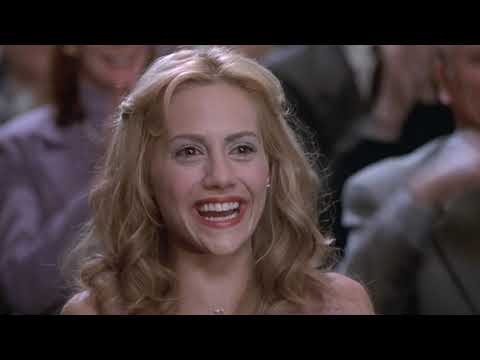
- The recital finale: Ray frees her ballet from rigid steps while Neal performs the lullaby Tommy wrote for Molly. Guitars glint under stage lights; tears all around. Diegetic (on-stage performance).
- Why it matters:
- Emotional crux — found family, grief acknowledged, joy chosen. The song’s diegetic power collapses the distance between characters and audience.
Swan Lake selections (Pyotr Ilyich Tchaikovsky) — classical needle-drop
- Where it plays:
- Ray’s ballet world — class and rehearsal snatches surface as disciplined counterpoint. Diegetic/source-style.
- Why it matters:
- Embodies Ray’s need for control; later, pop invades ballet space and melts the armor.
Trailer cue: “Complicated” (Avril Lavigne)
- Where it plays:
- Used in film marketing/trailers, not on the official album. Non-diegetic (promo only).
- Why it matters:
- Signals the era’s teen-pop frankness and the movie’s messy-heart tone in 30 seconds.
Notes & Trivia
- Three on-screen songs — “Sheets of Egyptian Cotton,” “Night of Love,” and “Molly Smiles” — are performed by Jesse Spencer, who plays Neal in the film.
- Classical Swan Lake snippets anchor Ray’s ballet discipline and contrast the finale’s loosen-up explosion.
- The commercial album is songs-led; McNeely’s score peeks in as a short solo-piano coda.
- Marketing leaned on Avril Lavigne’s “Complicated” — era-perfect — though it isn’t in the feature or album.
- The official soundtrack arrived a few days ahead of U.S. theatrical release, typical of early-2000s studio rollouts.
Reception & Quotes
While critics split on the movie, the soundtrack found its audience as a warm, radio-ready time capsule with a memorable diegetic finale.
“A fizzy pop mix with a heart-on-sleeve closer — the recital performance lands.” Retail/editorial notes
“Diegetic songs that actually move the plot? It works.” Soundtrack blogs
Availability: The album streams widely (Apple Music/Spotify). A separate score album was not issued; the film includes only a brief piano cue on the main release.
Interesting Facts
- Diegetic backbone: The love interest is a musician, so several pivotal scenes unfold as performances.
- Pop & ballet: The soundtrack’s pop polish deliberately trespasses into Ray’s classical world.
- Nostalgia alert: Leigh Nash’s opener and Kreviazuk’s ballad place the album squarely in 2003 radio space.
- Guitar motif: Story beats around Molly’s inherited guitars mirror the film’s music-as-memory theme.
- Marketing vs. movie: The trailer’s hit single isn’t in the film — common practice then, less so now.
Technical Info
- Title: Uptown Girls — Music From and Inspired by the Motion Picture
- Year: 2003 (album & film)
- Type: Song-driven soundtrack with one score cue
- Composer: Joel McNeely (film score; album includes “Solo Piano”)
- Music supervision: Maureen Crowe
- Selected notable placements: “Molly Smiles” (recital finale, diegetic); “Sheets of Egyptian Cotton” (on-stage/rehearsal, diegetic); “Charmed Life” (early montage); Swan Lake snippets (ballet class)
- Label/album status: 13-track release on major digital platforms (2003); widely streaming
- Trailer music: Avril Lavigne’s “Complicated” (promo use)
- Distribution (film): MGM (U.S./Canada); international by 20th Century Fox
Questions & Answers
- What song plays at the ballet recital finale?
- “Molly Smiles,” performed on-screen by Jesse Spencer; it doubles as the story’s emotional resolution.
- Are the Jesse Spencer songs on the official album?
- Yes — “Sheets of Egyptian Cotton,” “Night of Love,” and “Molly Smiles” appear alongside the pop cuts.
- Is there a separate score album?
- No. Only a short piano piece by composer Joel McNeely appears on the main soundtrack release.
- Does the film use any classical music?
- Yes — Swan Lake selections surface around Ray’s ballet scenes.
- What’s the trailer song everyone remembers?
- Avril Lavigne’s “Complicated,” used in marketing but not in the feature or album.
Key Contributors
| Entity | Relation |
|---|---|
| Boaz Yakin | Director — shaped pop-forward tone with diegetic performances |
| Joel McNeely | Composer — original score; “Solo Piano” appears on album |
| Maureen Crowe | Music Supervisor — sourced pop/indie cues and classical inserts |
| Jesse Spencer | Performer (Neal) — on-screen songs “Sheets of Egyptian Cotton,” “Night of Love,” “Molly Smiles” |
| Leigh Nash; Chantal Kreviazuk; Erin McKeown; Sense Field | Featured artists — key album cuts |
| Metro-Goldwyn-Mayer (MGM) | Distributor (U.S./Canada) |
| 20th Century Fox | International distribution |
| Uptown Girls (2003) | Primary work — feature film whose soundtrack is profiled here |
Sources: IMDb Soundtracks & credits; Apple Music & Spotify album pages; Discogs release credits; Wikipedia (film/credits); retail tracklists; soundtrack databases; official trailers and clips.
November, 19th 2025
A-Z Lyrics Universe
Cynthia Erivo Popular
Ariana Grande Horsepower
Post Malone Ain't No Love in Oklahoma
Luke Combs Good Riddance (Time of Your Life)
Green Day Bye Bye Bye
*NSYNC You're the One That I Wan
John Travolta & Olivia Newton-John I Always Wanted a Brother
Braelyn Rankins, Theo Somolu, Kelvin Harrison Jr. and Aaron Pierre The Power of Love
Frankie Goes to Hollywood Beyond
Auli’i Cravalho feat. Rachel House MORE ›