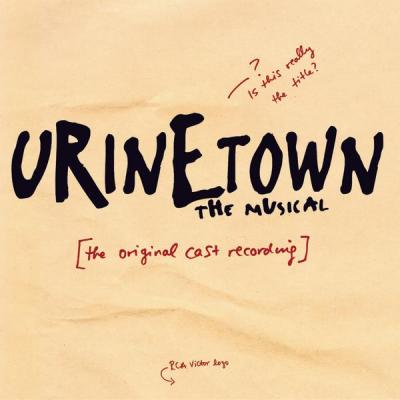
"Urinetown" Soundtrack Lyrics
Musical • 2001
Track Listing
"Urinetown (Original Cast Recording)" – Album Guide to Tracks and Key Scenes
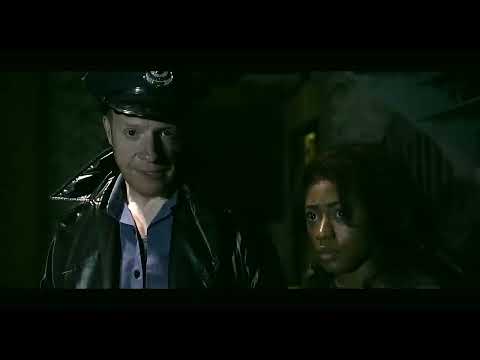
Overview
What if a big-hearted Broadway love story warned you about the end of civilization — and made you laugh anyway? Urinetown turns civic collapse into a showtune: brassy, Brechtian, self-mocking, and oddly tender. The Original Cast Recording bottles that mix, from pastiche patter to gospel blowouts, led by Mark Hollmann’s melody machine and Greg Kotis’s razor lyrics.
Onstage, a drought has privatized peeing; in the pit, styles ricochet — Weill-ish bite for the cops, corporate pep for Cladwell’s boardroom, doo-wop romance for the kids, and a hand-clapping revival when the revolt finds its voice. The album’s secret? It plays like a history of musical theatre in miniature — then winks and tells you it knows.
Style phases & meanings: Germanic cabaret — authority, corruption; golden-age balladry — sincerity on thin ice; doo-wop/soft-pop — hope (and denial); boardroom march — corporate menace; gospel revival — populist high…before the hangover.
How It Was Made
Composed by Mark Hollmann (music/lyrics) with Greg Kotis (book/lyrics), the show debuted Off-Broadway in spring 2001 and transferred to Broadway that fall. John Rando directed; John Carrafa choreographed. The Original Cast Recording was produced for RCA Victor Broadway and hit stores August 7, 2001, just before the Broadway opening; it features the Off-Broadway/Broadway principals and Bruce Coughlin’s tight, witty orchestrations.
From a sound standpoint, the album leans into clarity and satire: crisp reeds for comic patter, bite in the brass for corporate grind, and a roomy, churchy image for the Act II revival spoof so you can feel the audience clap along.
Tracks & Scenes
Exact minute-marks vary by production; placements follow the licensed synopsis and Broadway staging. Diegetic (heard by characters) vs. non-diegetic (underscoring/outer voice) is noted where useful.
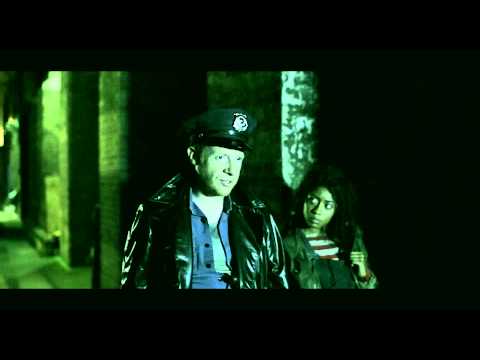
“Too Much Exposition”
- Where it plays:
- Officer Lockstock and Little Sally step out front at the filthiest public amenity in town, explaining the drought, the pay-to-pee laws, and the show’s own rules. Non-diegetic narration that becomes diegetic banter.
- Why it matters:
- The musical announces its Brechtian game: the narrators will spoil, tease, and still make you care.
“It’s a Privilege to Pee” — Penelope Pennywise’s showstopper
- Where it plays:
- At Public Amenity #9, Pennywise lays down the law as Old Man Strong begs to go for free; cops drag him away when he can’t pay. Diegetic performance that functions as policy anthem.
- Why it matters:
- Comic authoritarianism with a belt — Nancy Opel’s archetype made rules sound catchy and cruel.
“Cop Song” — Lockstock & Barrel
- Where it plays:
- Night patrol; the officers harmonize about the conveyor-belt to “Urinetown” and the screams it produces. Non-diegetic chorus with marching-song bite.
- Why it matters:
- Rhythm as repression — you can march to tyranny.
“Follow Your Heart” — Bobby & Hope
- Where it plays:
- After the arrest of Bobby’s father, Hope teaches him the soft skill of listening to his heart; a kiss follows. Non-diegetic ballad stylized as fairy-tale counsel.
- Why it matters:
- The show lets sincerity in — only to test it later.
“Look at the Sky” — the revolt begins
- Where it plays:
- Bobby throws open the amenity gates and lets the poor in for free; crowds surge as fee hikes hit. Non-diegetic anthem over chaotic, partly diegetic crowd noise.
- Why it matters:
- Revolution given a pop-hymn hook — irresistible and a little naïve.
“Mr. Cladwell” / “Don’t Be the Bunny” — corporate doctrine
- Where it plays:
- In UGC’s gleaming offices, executives praise their CEO, then Cladwell lectures Hope: the world is hunter vs. prey. Diegetic in-world (boardroom rally) with musical-comedy sheen.
- Why it matters:
- Perky harmonies weaponized — capitalism with a tap break.
Act One Finale — kidnapping Hope
- Where it plays:
- Cladwell arrives to crush the riot; the poor seize Hope and flee. Non-diegetic ensemble that advertises itself as “the Act One finale.”
- Why it matters:
- The score parodies big Broadway climaxes while absolutely delivering one.
“What Is Urinetown?” — Act II revelation
- Where it plays:
- In split scenes, everyone guesses at the myth; Lockstock slips the truth: “Urinetown” is just death. Non-diegetic irony chorus.
- Why it matters:
- Fancy title, simple end — the show’s darkest joke lands with a grin.
“Run, Freedom, Run!” — revival-meeting explosion
- Where it plays:
- Bobby steers the rebels away from vengeance and toward ideals; the room becomes a clap-along church. Non-diegetic gospel pastiche that invites diegetic hand-claps.
- Why it matters:
- Ear-to-ear joy that still knows it’s a spoof — the album’s most replayed lift.
“Why Did I Listen to That Man?” — doubt in the ranks
- Where it plays:
- As Cladwell plots, Pennywise and Senator Fipp second-guess their loyalty. Non-diegetic, noir-tinted ensemble.
- Why it matters:
- Shadows fall on the quips — satire grows teeth.
“Tell Her I Love Her” — the fallen hero’s message
- Where it plays:
- News of Bobby’s death reaches the hideout; Little Sally relays his last words to Hope. Non-diegetic lament with ghostly echoes.
- Why it matters:
- Simple, aching — proof the show can stop winking and just feel.
Finale: “I See a River”
- Where it plays:
- Hope opens the toilets to all; the river runs…out. The curtain falls on a cheerful catastrophe. Non-diegetic finale that contradicts itself while you hum along.
- Why it matters:
- Broadway uplift with a Malthusian punchline — the thesis in one earworm.
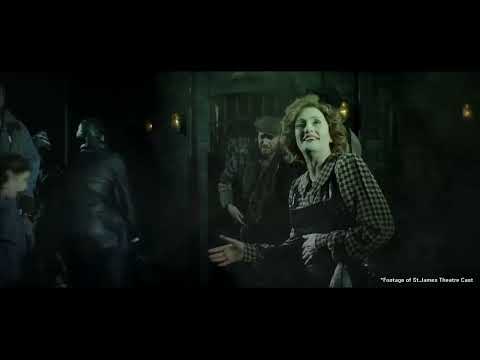
Notes & Trivia
- The Broadway opening planned for September 13, 2001 moved to September 20 after 9/11; only a single line was cut before opening.
- The show won three Tony Awards in 2002 — Book, Score, and Direction — while cheekily insisting it was “too little, too late.”
- Bruce Coughlin’s orchestrations pack cabaret brass and revival fire into a compact pit band — crucial to the album’s snap.
- “Run, Freedom, Run!” is staged like a church service — the cast often encourages house clapping right on the backbeat.
- The album preserves the Off-Bway/Broadway principals, including Hunter Foster, Nancy Opel, John Cullum, Jennifer Laura Thompson, and Spencer Kayden.
Reception & Quotes
Critics pegged the score as both parody and blood-pumping musical theatre — the rare satire you can belt in the shower.
“A spirited send-up of musical conventions — and a real musical, too.” The New Yorker
“Book, score, direction — this cheeky juggernaut earned them all.” Playbill/Tony season coverage
Availability: The Original Cast Recording (RCA Victor Broadway) streams widely; original 2001 CD in print. Licensed synopsis and production history via MTI; Broadway credits via IBDB.
Interesting Facts
- Fringe to Broadway: It jumped from the New York International Fringe Festival to Off-Broadway to Broadway in the same year.
- Meta-musical DNA: Numbers lovingly riff on Weill, Bernstein, and 60s girl-group pop — then call themselves out for doing it.
- Boardroom bop: “Don’t Be the Bunny” is a management seminar with jazz hands.
- Title truth: The place “Urinetown” is just…death. The score treats the reveal like a curtain-call joke.
- Clap trap: The album’s gospel groove is mixed to make your hands move — even in headphones.
Technical Info
- Title: Urinetown — Original Cast Recording
- Year: 2001 (album release Aug 7; Broadway opening Sept 20)
- Type: Original Cast Recording (stage musical)
- Music/Lyrics: Mark Hollmann (music & lyrics); Greg Kotis (book & lyrics)
- Director/Choreo (Broadway): John Rando / John Carrafa
- Orchestrations: Bruce Coughlin; Music Director: Edward Strauss
- Label/Producer: RCA Victor Broadway; produced by Jay David Saks
- Key numbers (selected): “It’s a Privilege to Pee,” “Follow Your Heart,” “Look at the Sky,” “Don’t Be the Bunny,” “Run, Freedom, Run!,” “I See a River”
- Venue/Run: Henry Miller’s Theatre, Broadway (2001–2004); originated Off-Broadway at American Theatre for Actors
- Awards: 2002 Tony Awards — Best Book, Best Original Score, Best Direction
Questions & Answers
- Is the cast album the Broadway or Off-Broadway company?
- It preserves the Off-Broadway/Broadway principals and dropped Aug 7, 2001 — just before the Broadway transfer.
- Why does the score sound like lots of different shows?
- It’s intentional parody — cabaret, golden-age, gospel — all in service of the satire.
- Which song brings the house down live?
- “Run, Freedom, Run!” — a full-throated revival spoof that still delivers goosebumps.
- Does the show really reveal “Urinetown”?
- Yes — in Act II’s “What Is Urinetown?” and the roof-top sequence. The joke is how blunt the truth is.
- Where should I start on the album?
- Try “Privilege to Pee” for tone, “Follow Your Heart” for sweetness, then the Act II one-two of “Run, Freedom, Run!” and “I See a River.”
Key Contributors
| Entity | Relation |
|---|---|
| Mark Hollmann | Composer/Lyricist — wrote music; co-wrote lyrics |
| Greg Kotis | Book/Lyricist — co-wrote lyrics; concept & satire engine |
| John Rando | Director (Broadway) — Tony winner for Direction |
| John Carrafa | Choreographer — boardroom march to revival stomp |
| Bruce Coughlin | Orchestrator — compact, character-driven charts |
| Edward Strauss | Music Director/Conductor — Off-Broadway/Broadway |
| Jay David Saks | Album Producer — RCA Victor Broadway recording |
| RCA Victor Broadway | Label — released Original Cast Recording |
| The Araca Group | Producer (stage) — shepherded transfer from Fringe/Off-Bway |
| Henry Miller’s Theatre | Broadway venue (2001–2004 run) |
| American Theatre for Actors | Off-Broadway venue of the pre-Broadway run |
Sources: MTI (full synopsis & awards); Wikipedia (productions/cast); IBDB (run/venue); Playbill (album release; opening shift post-9/11); Masterworks Broadway/Presto (album details & performer credits); Discogs (RCA Victor issue); BroadwayWorld (Tony wins); The New Yorker (review note); assorted retail/label pages.
November, 19th 2025
A-Z Lyrics Universe
Cynthia Erivo Popular
Ariana Grande Horsepower
Post Malone Ain't No Love in Oklahoma
Luke Combs Good Riddance (Time of Your Life)
Green Day Bye Bye Bye
*NSYNC You're the One That I Wan
John Travolta & Olivia Newton-John I Always Wanted a Brother
Braelyn Rankins, Theo Somolu, Kelvin Harrison Jr. and Aaron Pierre The Power of Love
Frankie Goes to Hollywood Beyond
Auli’i Cravalho feat. Rachel House MORE ›