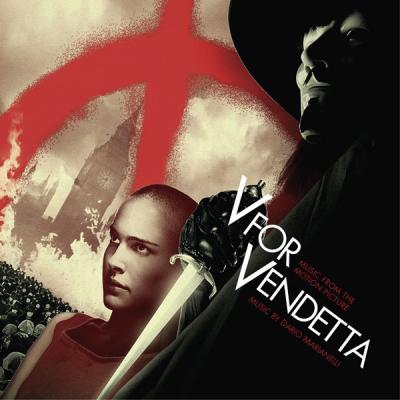
"V for Vendetta" Soundtrack Lyrics
Movie • 2006
Track Listing
Dario Marianelli
Julie London
Dario Marianelli
Dario Marianelli
Dario Marianelli
Dario Marianelli
Dario Marianelli
Dario Marianelli
Cat Power
Dario Marianelli
Dario Marianelli
Antony & The Johnson
Dario Marianelli
"V for Vendetta: Music from the Motion Picture" – Album Guide to Tracks and Key Scenes
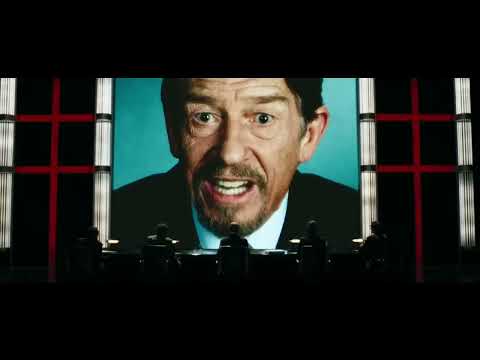
Overview
What happens when a masked revolutionary scores his uprising with torch songs, chamber strings, and the thunder of Tchaikovsky? You get a soundtrack that argues as loudly as the film does.
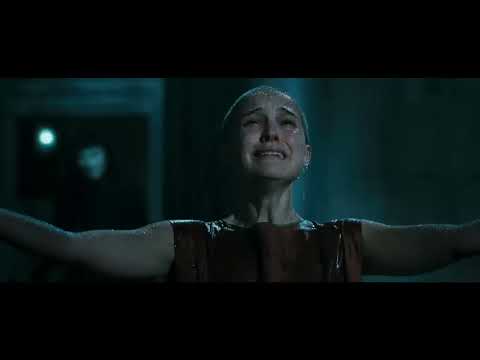
Dario Marianelli’s score threads through V for Vendetta like fuse wire — intimate woodwinds for Evey’s awakening, mechanized ostinatos for Norsefire’s bootheel, and a swelling, defiant catharsis in “Evey Reborn.” Around it spin carefully chosen needle-drops: Julie London’s smoky “Cry Me a River,” Cat Power’s fragile “I Found a Reason,” and Antony and the Johnsons’ aching “Bird Gerhl.” Together they form a dialectic — state control versus private feeling — that the film resolves with fireworks and a chorus of citizens in masks.
Stylistically, the album moves in phases: brooding modern orchestral (control, surveillance); vintage jazz/bossa (interiority, romance, the private refuge of the Shadow Gallery); and grand Romantic/classical (public spectacle, revolution). In short: indie hush for vulnerability, 50s/60s lounge for nostalgia and tenderness, and 19th-century thunder for mythmaking.
How It Was Made
The original score was composed by Dario Marianelli, recorded for the Warner Bros. release and issued on album by Astralwerks in March 2006. The filmmakers interwove three vocal tracks (London, Cat Power, Antony & the Johnsons) as diegetic selections from V’s illicit jukebox, and bookended the narrative with the climactic strains of Tchaikovsky’s “1812 Overture.” End credits add a left-field collage cut (“BKAB” by Ethan Stoller) and late-90s/00s alt-space rock (Spiritualized), while the first credits cue is the Rolling Stones’ “Street Fighting Man.”
Tracks & Scenes
“1812 Overture – Finale” (Pyotr Ilyich Tchaikovsky; London Symphony Orchestra)
- Where it plays:
- Non-diegetic. 00:10 Old Bailey explodes as V “conducts” the night sky; the cannons feel literal. ~2:02 reprise as Londoners watch Parliament erupt — fireworks mirrored in faces, a city turning the page.
- Why it matters:
- Elevates sabotage to ritual; reframes revolution as public spectacle and communal release.
“Cry Me a River” (Julie London)
- Where it plays:
- Diegetic jukebox. 00:26 Evey wakes in the Shadow Gallery; the sultry vocal fills V’s private museum of forbidden culture. ~1:45 Evey drops the needle again as V returns — a flirty, guarded truce scored in smoke and chrome.
- Why it matters:
- Signals the Gallery as an emotional safe-room; contrasts state austerity with sensual, human scale.
“The Girl from Ipanema” (Stan Getz & João Gilberto feat. Astrud Gilberto; Antônio Carlos Jobim)
- Where it plays:
- Diegetic. ~00:30 Breakfast “eggie in a basket” scene: V cooks, Evey wanders. Later, a similar bossa cue underscores Gordon’s domestic morning, rhyming their private refuges.
- Why it matters:
- Bossa nova’s cool detachment underscores stolen normalcy; two outlaw kitchens, one tender mood.
“I Found a Reason” (Cat Power)
- Where it plays:
- Diegetic jukebox. 01:26 V admits he’s heard all 872 records but “never danced to any.” The camera lingers; the room feels newly possible.
- Why it matters:
- Vulnerability peek — a mask with a pulse. Softens the film’s edges before they harden again.
“Bird Gerhl” (Antony and the Johnsons)
- Where it plays:
- Diegetic. ~01:48 V and Evey slow-dance in the Gallery. Vocals crest on the line “I’m a bird girl,” mirroring Evey’s impending rebirth.
- Why it matters:
- Queer tenderness as thesis: identity as flight, not file.
“The Beginning… At Last” (Zakk Wylde & Black Label Society)
- Where it plays:
- Diegetic source. ~00:15 Lobby chatter with guard Fred; crunchy guitar bleeding from a radio/PA, everyday noise before the broadcast storm.
- Why it matters:
- Grounds the BTN infiltration in banal sound — a foil to the operatic set-pieces.
“Long Black Train” (Richard Hawley)
- Where it plays:
- Diegetic alarm. 01:44 Inspector Finch wakes to it on 5 November; a lonely croon for a lonely conscience.
- Why it matters:
- Humanizes Finch; seeds his break from the Party line.
“Love Theme and End Title” & “The Duel” (Alfred Newman & J.H. Wood; from The Count of Monte Cristo)
- Where it plays:
- Diegetic TV. ~00:35–00:37 V fences before the broadcast; later Evey finishes the film alone (~1:38). The vengeance fable reflects their diverging paths.
- Why it matters:
- Mirrors plot architecture; vengeance as story within story.
“Symphony No. 5: I. Allegro con brio” (Beethoven)
- Where it plays:
- Non-diegetic. Underscores V’s confrontation with Creedy, the four-note fate motif hammering inevitability.
- Why it matters:
- Turns a knife fight into an argument with destiny.
End Credits Triptych — “Street Fighting Man” (The Rolling Stones) → “BKAB” (Ethan Stoller) → “Out of Sight” (Spiritualized)
- Where it plays:
- ~02:05 Stones kick in as masks flood the frame; ~02:06 Stoller’s speech-sample collage takes over; ~02:09 Spiritualized drifts the crowd into dawn.
- Why it matters:
- From riot swagger to activist montage to post-revolt afterglow — three closing moods, one thesis.
Notes & Trivia
- The album (Astralwerks) centers Marianelli’s score but omits multiple on-screen cues — notably the Stones, Beethoven’s 5th, and Hawley’s “Long Black Train.”
- The 1812 quotes bookend the film: Old Bailey’s demolition and the Parliament finale.
- On album, the 1812 material surfaces in “Remember, Remember” and the coda of “Knives and Bullets (and Cannons Too).”
- V’s jukebox is canonically stacked with 872 “blacklisted” records — the London/Lounge choices are narrative, not random.
- “Evey Reborn” later moonlighted in major trailers — an unlikely cross-film leitmotif.
Reception & Quotes
Critics pegged the score as unusually character-driven for a studio dystopia, and fans embraced the jukebox cues as a cult mixtape within the movie.
“Songs are the relaxing background; classical is the explosive climax; Marianelli builds the tale.” Maintitles
“In addition to Marianelli’s score, three songs — London, Cat Power, Antony — prove essential.” Movie Music UK
Availability: Original CD/digital (Astralwerks, March 21, 2006). First-ever 2LP vinyl release arrived in October 2018 (Varèse Sarabande), later distributed under Concord ownership.
Interesting Facts
- Trailer afterlife: “Evey Reborn” reappeared years later in other studios’ trailers — it’s that effective.
- Speech collage: “BKAB” samples historic speeches and Bollywood hooks — an end-credits collage of dissent.
- Bossa motif: Two breakfast scenes, two bossa tracks — domestic bliss in a police state.
- Count of Monte Cristo: The film within the film doubles as character x-ray for revenge and release.
- Vinyl bonus: The 2018 2LP edition arrived with mask-themed artwork; some packages included a display mask.
Technical Info
- Title: V for Vendetta: Music from the Motion Picture
- Year: 2006 (album); film premiered 2005/2006
- Type: Film soundtrack — score + songs
- Composers: Dario Marianelli (original score)
- Key songs (on screen): Julie London “Cry Me a River”; Cat Power “I Found a Reason”; Antony and the Johnsons “Bird Gerhl”; Tchaikovsky “1812 Overture” (finale); The Rolling Stones “Street Fighting Man”; Ethan Stoller “BKAB”; Spiritualized “Out of Sight”; Richard Hawley “Long Black Train”; bossa selections by Jobim/Getz/Gilberto
- Release context: Album issued March 21, 2006 (Astralwerks); 2LP vinyl debut October 5, 2018 (Varèse Sarabande/Concord)
- Label/album status: Astralwerks CD/digital; later vinyl by Varèse Sarabande
- Not on OST (but in film): “Street Fighting Man,” “BKAB,” “Out of Sight,” “1812” (as standalone), “Long Black Train,” “The Girl from Ipanema,” Beethoven’s 5th
Questions & Answers
- Is the 1812 Overture actually on the album?
- Not as a standalone track — its material is woven into “Remember, Remember” and the close of “Knives and Bullets (and Cannons Too).”
- Which songs are diegetic versus score?
- Julie London, Cat Power, Antony & the Johnsons, bossa cues, and the Monte Cristo film music are diegetic sources; Marianelli’s cues and the Beethoven/Tchaikovsky swells are non-diegetic.
- What plays over the end credits?
- “Street Fighting Man” → “BKAB” → “Out of Sight,” in that order (album omits the first and third).
- Why the lounge & bossa choices?
- They sonically mark the Shadow Gallery (and Gordon’s home) as pockets of pre-Norsefire culture — intimacy against uniformity.
- Was the soundtrack ever on vinyl?
- Yes — a first-ever 2LP edition arrived in 2018 from Varèse Sarabande, after the 2006 Astralwerks CD/digital release.
Key Contributors
| Subject | Relation | Object |
|---|---|---|
| Dario Marianelli | composed | Original score for the film V for Vendetta (2005/2006) |
| Julie London | performed | “Cry Me a River” (used on-screen; jukebox) |
| Cat Power (Chan Marshall) | performed | “I Found a Reason” (Velvet Underground cover; jukebox) |
| Antony and the Johnsons | performed | “Bird Gerhl” (dance in the Shadow Gallery) |
| Pyotr Ilyich Tchaikovsky | composed | “1812 Overture” finale (opening/closing set-pieces) |
| The Rolling Stones | performed | “Street Fighting Man” (first end-credits cue) |
| Ethan Stoller | produced/performed | “BKAB” (second end-credits cue; speech collage) |
| Spiritualized | performed | “Out of Sight” (third end-credits cue) |
| Astralwerks | released | Original album (March 21, 2006) |
| Varèse Sarabande | released | First vinyl edition (October 5, 2018) |
| London | served as | Primary setting; location of set-pieces scored with 1812 |
Sources: Wikipedia (film & album), WhatSong, SoundtrackINFO, Apple Music, Movie Music UK, Maintitles, Varèse Sarabande/Concord press notes, Discogs listings.
November, 20th 2025
A-Z Lyrics Universe
Cynthia Erivo Popular
Ariana Grande Horsepower
Post Malone Ain't No Love in Oklahoma
Luke Combs Good Riddance (Time of Your Life)
Green Day Bye Bye Bye
*NSYNC You're the One That I Wan
John Travolta & Olivia Newton-John I Always Wanted a Brother
Braelyn Rankins, Theo Somolu, Kelvin Harrison Jr. and Aaron Pierre The Power of Love
Frankie Goes to Hollywood Beyond
Auli’i Cravalho feat. Rachel House MORE ›