Soundtracks:  A B C D E F G H I J K L M N O P Q R S T U V W X Y Z #


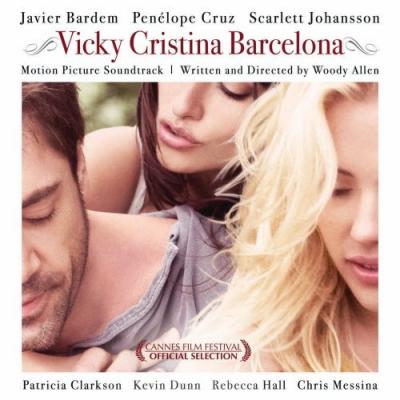
Vicky Cristina Barcelona Album Cover

"Vicky Cristina Barcelona" Soundtrack Lyrics

Movie • 2008

Track Listing


"Vicky Cristina Barcelona (Motion Picture Soundtrack)" – Album Guide to Tracks and Key Scenes

Official trailer frame: Vicky, Cristina, and Juan Antonio in sunlit Barcelona streets
Spanish guitars, Gaudí skylines, and a summer of decisions — the film’s musical palette

Overview

What does desire sound like when a city does the seducing? Vicky Cristina Barcelona answers with nylon strings and a sly, sun-drunk pop tune. The soundtrack is a compact postcard of Catalonia — Paco de Lucía and concert pieces by Albéniz rubbing shoulders with Django-style swing and a little indie wink from Giulia y los Tellarini’s “Barcelona.”

The official album, Vicky Cristina Barcelona (Motion Picture Soundtrack), gathers 11 cuts that the film leans on for mood and motion: flamenco and classical guitar trace the romance’s shifting edges; Gypsy-jazz cues flicker under café talk and road miles; the title song bookends the story with breezy fatalism. It’s less a cues-and-score package than a curated playlist of place — heat, stone, and humidity turned into music.

Style map: flamenco rumba — impulse and risk (“Entre Dos Aguas”); concert guitar — memory and fate (“Asturias (Leyenda)”, “Granada”); Gypsy jazz — lightness and movement (Stéphane Wrembel Trio); indie pop — the city’s grin (“Barcelona”).

How It Was Made

Album & rights: The 11-track compilation landed on August 12, 2008, released under exclusive license to Concord Music Group; physical editions credit Telarc for editing/mastering. The program pulls from Spanish and French-tinged catalogs (Juan Serrano, Paco de Lucía, Biel Ballester Trio, Stéphane Wrembel Trio) with the Barcelona indie cut as the calling card.

Why “Barcelona”? The film’s ear-worm title song came from a then-little-known local band, Giulia y los Tellarini. A demo of their album Eusebio reached the production during the shoot; the director reportedly heard it and immediately pegged it as “perfect” — it opens the album and recurs through the film.

Trailer still: guitar and Gaudí mosaic as a nylon-string arpeggio blooms
Found in Barcelona: a local indie tune, flamenco greats, and café-ready swing

Tracks & Scenes

“Barcelona” (Giulia y los Tellarini)

Where it plays:
Plays over opening titles and reprises as a motif for arrivals and exits — quick city montages, taxi windows, and terrace chatter. Non-diegetic; the film’s sun-dazed thesis.
Why it matters:
A whisper-sung love/hate letter to the city — light on its feet, a little fatalistic. It frames the whole summer.

“Entre Dos Aguas” (Paco de Lucía)

Where it plays:
Used in lively social settings — restaurants, streets, parties — where flirtation turns into momentum. Non-diegetic source-feel; camera glides as conversations spark.
Why it matters:
That crisp rumba pulse is the movie’s heartbeat whenever choices get reckless.

“Asturias (Leyenda)” (Isaac Albéniz) — performed by Juan Quesada

Where it plays:
Montage/transition cue for drives and museum walks; a dramatic, minor-key current under cool stone and bright sky. Non-diegetic.
Why it matters:
Classical gravitas that reminds the romance it has a shadow.

“Gorrión” (Juan Serrano)

Where it plays:
Café and terrace sequences; dexterous solo guitar mirrors teasing talk and sidelong glances.
Why it matters:
Airy virtuosity for the film’s lightest, flirtiest scenes.

“El Noi de la Mare” (Muriel Anderson & Jean-Félix Lalanne)

Where it plays:
As a gentle interlude in reflective passages, often around dusk interiors. Non-diegetic.
Why it matters:
A traditional Catalan melody — local color turned into tenderness.

“Big Brother” (The Stéphane Wrembel Trio)

Where it plays:
Quick city-in-motion cuts — alleyways, galleries, night walks. The Django-school swing feels like a scooter weaving traffic.
Why it matters:
Gives the story lift and wit between the heavier guitar set-pieces.

“When I Was a Boy” & “Your Shining Eyes” (Biel Ballester Trio, with guests)

Where they play:
Wine-soft evenings, stolen looks; diegetic-adjacent ambience in restaurants and night spaces.
Why they matter:
Warm, Mediterranean Gypsy-jazz that matches the film’s late-summer glow.

“Granada” (Albéniz) — concert guitar version

Where it plays:
Punctuates postcard views and reflective solo moments. Non-diegetic; lyrical, almost nostalgic.
Why it matters:
Pairs the city’s ornate surfaces with a soft ache — pretty, but pointed.
Trailer montage: park benches, galleries, and midnight streets over shifting guitar cues
How the cues work: rumba for risk, concert guitar for memory, swing for motion

Notes & Trivia

  • Compact by design: The album is just 11 tracks (~42 minutes) — a curated sampler rather than a full cue dump.
  • From demo to titles: “Barcelona” reached the production via a hand-delivered CD of Eusebio at the hotel; it became the opening-titles song.
  • Telarc touch: Physical releases credit Telarc for editing/mastering work on the CD edition.
  • Gaudí nod: The Barcelona-based band behind “Barcelona” later won the Gaudí Award for Best Musical Score contribution to the film.

Reception & Quotes

Coverage singled out the switch from the director’s usual 1930s jazz staples to flamenco/classical guitars and local indie — a musical pivot that fits the story’s heat haze.

“A gently sensual guitar mix… boozy hot nights and seduction in the cut.” Contemporary soundtrack press
“‘Barcelona’ frames the film perfectly — jaunty, bittersweet, local.” Album notes & features

Availability: Streaming on the major platforms (11 tracks); original CD in circulation via Concord/Telarc.

Trailer shot: sun on Gaudí tile as a rumba pattern fades
A city as a playlist — why the soundtrack still feels like summer

Interesting Facts

  • Local accent: Much of the album features Spanish/Catalan repertoire or players associated with that tradition.
  • Gypsy-jazz thread: The Stéphane Wrembel Trio (a longtime collaborator on European-set films) adds buoyant swing to the mix.
  • Two Albéniz postcards: “Asturias (Leyenda)” brings drama; “Granada” brings lyric warmth — both anchor the film’s classical side.
  • One cut, many scenes: “Barcelona” functions like a narrative chapter marker, returning at pivots and farewells.
  • Short, scene-ready tracks: Several selections sit in the 2–3 minute range — easy to place without crowding dialogue.

Technical Info

  • Title: Vicky Cristina Barcelona (Motion Picture Soundtrack)
  • Year: 2008 (album released August 12, 2008)
  • Type: Film soundtrack — various artists (no separate original score album)
  • Label: Concord Music Group (CD mastering/editing credited to Telarc)
  • Signature tracks: “Barcelona” (Giulia y los Tellarini); “Entre Dos Aguas” (Paco de Lucía); “Asturias (Leyenda)” (Albéniz) — Juan Quesada; “Gorrión” (Juan Serrano); “El Noi de la Mare” (Muriel Anderson & Jean-Félix Lalanne); “Big Brother” (The Stéphane Wrembel Trio); Biel Ballester Trio selections.
  • Album length: ~42:49 (11 tracks)
  • Release context: Film premiered 2008; album issued day-and-date with the US roll-out window.

Questions & Answers

What song plays over the opening titles?
“Barcelona” by Giulia y los Tellarini — it also recurs as a motif during the film.
Is there original score on the album?
No. It’s a curated songs/instrumentals compilation; there’s no separate commercial score album.
Which flamenco classic do we hear during lively social scenes?
Paco de Lucía’s “Entre Dos Aguas,” the rumba that gives the movie its swaggering pulse.
Where do the classical guitar pieces fit?
“Asturias (Leyenda)” and “Granada” underscore transitions and reflective moments — stone, sun, and consequence.
Who released the soundtrack?
Concord Music Group handled the commercial release; CD mastering/editing is credited to Telarc.

Key Contributors

SubjectRelationObject
Giulia y los Tellariniwrote/performed“Barcelona” (from Eusebio), used as film motif
Paco de Lucíaperformed“Entre Dos Aguas” — flamenco rumba staple
Juan Serranoperformed“Gorrión”; “Entre Olas”
Juan QuesadaperformedAlbéniz: “Asturias (Leyenda)”
Stéphane Wrembel Trioperformed“Big Brother” — Gypsy-jazz cue
Biel Ballester Trio (+ guests)performed“When I Was a Boy”; “Your Shining Eyes”
Concord Music GroupreleasedCommercial album, August 12, 2008
Telarcedited/masteredCD mastering/editing credit on physical release
Woody Allenwrote/directedFeature film — music selections curated to location and tone

Sources: Apple Music (album page, release info, track list); Spotify album listing; Discogs release/master pages (credits, Telarc notes); Concord/album feature (how “Barcelona” reached the film); Reuters & The Guardian features on Giulia y los Tellarini; IMDb Soundtracks (titles & performers); contemporary coverage highlighting the guitar-led soundtrack.

November, 20th 2025


A-Z Lyrics Universe

Lyrics / song texts are property and copyright of their owners and provided for educational purposes only.