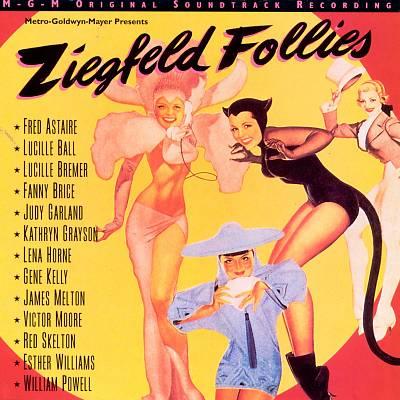
"Ziegfeld Follies" Soundtrack Lyrics
Musical • 1946
Track Listing
The M-G-M Studio Orchestra
Fred Astaire / The M-G-M Studio Chorus
Virginia O'Brien
James Melton
Avon Long
James Melton / Marion Bell
Fred Astaire
Lena Horne / The M-G-M Studio Chorus
Fred Astaire
The M-G-M Studio Orchestra
Judy Garland / The M-G-M Studio Chorus
Fred Astaire / Gene Kelly
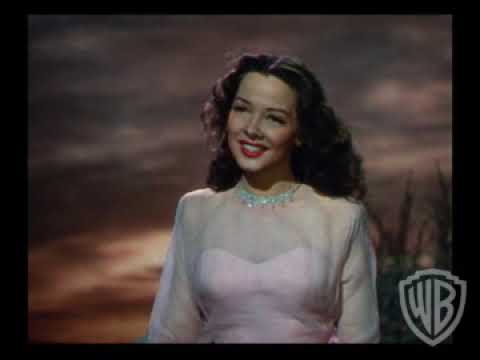
Kathryn Grayson / The M-G-M Studio Chorus
"Ziegfeld Follies (Music from the MGM Musical Revue)" – Album Guide to Tracks and Key Scenes
Review
Can a plotless revue feel like a complete musical journey? Ziegfeld Follies says yes — by letting songs and dances argue with each other. The MGM/Arthur Freed unit strings together showpieces that oscillate between satin-and-top-hat elegance and cartoon splash, and the “album,” in whatever edition you encounter, plays like a kaleidoscope of star turns: Astaire’s champagne suavity, Judy Garland’s surgical satire, Lena Horne’s velvet torch, Gene Kelly’s athletic spark.
The film (shot 1944–45; U.S. release 1946) is the movies doing Broadway memory — Florenz Ziegfeld imagines one last Follies from the afterlife, then the numbers arrive as dreams. That conceit frees the music to switch registers on a dime: a Gershwin comedy duel, a Warren/Freed waltz built for rotating floors, Hugh Martin & Ralph Blane’s glide, even an operatic splash. Sequencing tips the ear from nightclub polish to fantasia and back — a mixtape before mixtapes.
Genres & themes, in phases: Arthur Freed/Roger Edens show-tunes — urbane spectacle, a wink at modernity; crooner ballad / standard — seduction, glamour-as-power; jazz-inflected ballet — exoticized fantasy (read: dated, problematic staging); Gershwin patter & tap — friendly rivalry; torch — grace under spotlight. The push/pull is the point.
How It Was Made
Producer–lyricist Arthur Freed assembled a director’s relay (Vincente Minnelli with segments by Roy Del Ruth, Robert Lewis, Lemuel Ayers, George Sidney) plus dance director Robert Alton. Musical leadership ran through Roger Edens, Lennie Hayton, and orchestrator–arranger Conrad Salinger, with original songs also by Harry Warren & Arthur Freed and special material from George & Ira Gershwin, Hugh Martin & Ralph Blane. The picture premiered Boston (Aug. 13, 1945) and opened wider in the U.S. on July 15, 1946.
Because it’s a revue, several cues are literally staged as on-camera performances (diegetic), while others are elaborate ballet pantomimes or comic operettas. Later home and library releases gathered these tracks — often with outtakes and alternates — into “original soundtrack” compilations (mid-1990s Rhino/MGM CD issues are the most circulated), so editions differ slightly by label and territory.
Tracks & Scenes
“Here’s to the Girls” → “Bring On Those Wonderful Men” (Fred Astaire → Virginia O’Brien; music Roger Edens, lyrics Arthur Freed)
- Where it plays:
- Opener suite. Astaire toasts women with a suave emcee turn; ballerina Cyd Charisse slips in for a solo; then Lucille Ball snaps a whip over “panther” showgirls. The capper is Virginia O’Brien’s dry deadpan spoof answering Astaire with her own wish list. Fully diegetic as a stage-within-the-film, with cutaways to Ziegfeld’s celestial box seat.
- Why it matters:
- It sets the revue’s tone — generosity, glamour, and parody living in the same breath — and introduces the show’s call-and-response logic between male gaze and women’s rejoinders.
“This Heart of Mine” (Fred Astaire & Lucille Bremer; music Harry Warren, lyrics Arthur Freed)
- Where it plays:
- High-society seduction in a mirrored salon. Astaire sings gently to Bremer, then glides her into a technically audacious waltz: concealed treadmills, rotating floors, and camera-swirl that turns choreography into hypnosis. Mostly diegetic performance that dissolves into dance fantasy.
- Why it matters:
- A Freed/Warren standard born on screen. The music sells power dynamics with elegance — courtship as choreography.
“Love” (Lena Horne; music Hugh Martin, lyrics Ralph Blane)
- Where it plays:
- Spotlight-and-satin showcase. Horne stands center in a minimalist set, the orchestra tucked offscreen. The arrangement moves like a slow carousel; the camera treats her phrasing as architecture.
- Why it matters:
- Pure timbre. It’s the film pausing for the voice, and Horne answers with languid authority — a study in star presence.
“Limehouse Blues” (ballet pantomime led by Fred Astaire & Lucille Bremer; music Philip Braham, lyrics Douglas Furber)
- Where it plays:
- Dream tragedy framed by London’s Limehouse. Astaire plays Tai Long, a poor laborer; Bremer the unattainable Moy Ling. The storybook opens into a massive “Chinese” dream ballet with stylized sets and costumes; both leads perform in yellowface — historically significant and now clearly offensive.
- Why it matters:
- A towering piece of MGM stagecraft and a time capsule of harmful stereotyping. Musically, the cue uses pentatonic gestures and percussion to telegraph “exoticism,” then tilts into full fantasy sweep.
“A Great Lady Has an Interview” (Judy Garland; written by Kay Thompson & Roger Edens)
- Where it plays:
- A satiric press junket. Garland, as a grand “serious” star, pitches her next picture — a madcap biopic of the inventor of the safety pin — to dancing reporters. The patter, call-backs, and dance breaks turn publicity into a musical machine.
- Why it matters:
- Garland detonates her own studio image with precision timing. The lyric’s running “safety pin” gag and mock-piety cadences make it one of MGM’s sharpest meta-numbers.
“The Babbitt and the Bromide” (Fred Astaire & Gene Kelly; music & lyrics George & Ira Gershwin)
- Where it plays:
- Three encounters across the years — two men meet, trade jabs, and out-tap each other, then vanish until fate throws them together again. The final face-off ends in a friendly draw, sweat and grins intact.
- Why it matters:
- The meeting of titans. It’s the only prime-era screen pairing of Astaire and Kelly — a lightly comic thesis on style versus style.
“Libiamo ne’ lieti calici” from La Traviata (James Melton & Marion Bell)
- Where it plays:
- Glitzy operatic interlude presented as a gala turn, chorus stepping through symmetrical tableaux as champagne toasts bloom across the frame.
- Why it matters:
- Anchors the Follies lineage back to high-toned spectacle; a palette cleanser between jazz and patter.
“There’s Beauty Everywhere” (Kathryn Grayson; re-staged finale material)
- Where it plays:
- Originally designed as a bubble-ballet finale with Astaire, Bremer, and Charisse; equipment mishaps forced a rethink. What remains is a lyrical showcase for Grayson, intercut with vestiges of Charisse’s floating ballet imagery.
- Why it matters:
- Proof that the Freed Unit could pivot mid-production and still land honeyed symphonic sheen.
Notes & Trivia
- Dance direction by Robert Alton; Minnelli personally directed Astaire’s numbers.
- “Babbitt and the Bromide” is the only prime-era on-screen pairing of Astaire and Kelly.
- Judy Garland’s “Interview” was first pitched for Greer Garson; Kay Thompson & Roger Edens reshaped it for Garland.
- The planned bubble-ballet finale malfunctioned during filming; portions survive around “There’s Beauty Everywhere.”
- Later soundtrack CDs gather film masters plus outtakes (e.g., Astaire’s “If Swing Goes, I Go Too”), so track sets vary by release.
Reception & Quotes
Contemporary critics praised the comedy sketches and singled out key musical set-pieces; the film later won “Best Musical Comedy” at the 1947 Cannes Film Festival and remains a Freed-Unit touchstone.
“The film’s best numbers are a couple of comedy skits… Judy Garland is also amusing as a movie queen giving an interview.” — The New York Times (Bosley Crowther)
“The dance act for the archives is The Babbitt and the Bromide.” — Newsweek
Interesting Facts
- Revue logic: Several comedy pieces (“Pay the Two Dollars,” “The Sweepstakes Ticket”) bookend the songs, echoing stage Follies structure.
- Torch pause: Lena Horne’s “Love” functions as a breath between giant set-pieces — just voice, camera, and glide.
- Studio meta: Garland’s number lampoons prestige casting and publicity rituals of the period — with tap breaks.
- Problematic pageantry: “Limehouse Blues” is a technical marvel and a textbook example of yellowface and “exotic” cliché in Golden-Age Hollywood.
- Compilation culture: 1990s CDs reframed the film as an “album,” popularizing outtakes long unseen by casual viewers.
Technical Info
- Type: MGM musical revue (feature film)
- Title: Ziegfeld Follies — Music from the Motion Picture
- Year: Filmed 1944–45; U.S. release July 15, 1946 (Boston preview Aug. 13, 1945)
- Key composers/lyricists: Roger Edens; Arthur Freed; Lennie Hayton; Conrad Salinger (arr./orch.); Harry Warren & Arthur Freed (“This Heart of Mine”); George & Ira Gershwin (“The Babbitt and the Bromide”); Hugh Martin & Ralph Blane (“Love”); Philip Braham & Douglas Furber (“Limehouse Blues”)
- Music direction: Lennie Hayton; arrangements/orchestration by Conrad Salinger (MGM)
- Label/album status: Multiple later “Original Soundtrack Recording” CDs (mid-1990s, Rhino/MGM & others) compile film masters plus outtakes; track sets vary by edition
- Notable placements (select): “Here’s to the Girls/Bring On Those Wonderful Men” (revue opener); “This Heart of Mine” (ballroom waltz); “Love” (Lena Horne spotlight); “Limehouse Blues” (dramatic ballet); “A Great Lady Has an Interview” (press-patter showpiece); “The Babbitt and the Bromide” (Astaire vs. Kelly tap-duel); “Libiamo” (operatic gala)
Questions & Answers
- Is there an official soundtrack album?
- Not in 1946, but several CD editions appeared later (mid-1990s and onward), often adding outtakes like “If Swing Goes, I Go Too.” Availability and contents vary by label.
- Who leads the musical side behind the scenes?
- Roger Edens (songs/music direction), Lennie Hayton (musical director), and Conrad Salinger (orchestrations/arrangements), alongside featured songwriters (Warren/Freed; Gershwin; Martin/Blane).
- Do Astaire and Kelly really dance together here?
- Yes — in “The Babbitt and the Bromide,” the only on-screen pairing of their prime years.
- What’s the Judy Garland number everyone cites?
- “A Great Lady Has an Interview,” a Kay Thompson/Roger Edens satire of grand-dame star image — famous for its safety-pin gag and reporter chorus.
- Why is “Limehouse Blues” discussed critically today?
- It’s a virtuosic set-piece that also employs yellowface and “exotic” tropes. Viewers and historians now flag its harmful stereotyping even as they study the filmmaking craft.
Key Contributors
| Subject | Relation | Object |
|---|---|---|
| Arthur Freed | produced / co-wrote lyrics for | Ziegfeld Follies; songs incl. “This Heart of Mine” |
| Roger Edens | wrote / music direction for | “Here’s to the Girls,” “Bring On Those Wonderful Men,” Garland’s material |
| Lennie Hayton | served as | musical director (MGM) |
| Conrad Salinger | arranged/orchestrated | MGM studio orchestra cues |
| Harry Warren & Arthur Freed | wrote | “This Heart of Mine” |
| Hugh Martin & Ralph Blane | wrote | “Love” |
| George & Ira Gershwin | wrote | “The Babbitt and the Bromide” |
| Philip Braham & Douglas Furber | wrote | “Limehouse Blues” |
| Vincente Minnelli (+ segment directors) | directed | musical sequences including Astaire numbers |
| Fred Astaire | performed | “Here’s to the Girls,” “This Heart of Mine,” “Limehouse Blues,” “Babbitt and the Bromide” |
| Gene Kelly | performed | “The Babbitt and the Bromide” |
| Judy Garland | performed | “A Great Lady Has an Interview” |
| Lena Horne | performed | “Love” |
| Kathryn Grayson | performed | “There’s Beauty Everywhere” |
| James Melton & Marion Bell | performed | “Libiamo ne’ lieti calici” |
| Cyd Charisse | featured dancer in | “Here’s to the Girls” and “Beauty” imagery |
Sources: AFI Catalog; Wikipedia (film entry & key routines); Warner Bros./TCM notes; Judy Garland discography archives; Discogs & library catalogs for CD editions; SoundtrackCollector; Spotify/retailer pages for availability; contemporary press quotes collated by reference sites.
November, 22nd 2025
'Ziegfeld Follies' on the Web: IMDb, WikipediaA-Z Lyrics Universe
Cynthia Erivo Popular
Ariana Grande Horsepower
Post Malone Ain't No Love in Oklahoma
Luke Combs Good Riddance (Time of Your Life)
Green Day Bye Bye Bye
*NSYNC You're the One That I Wan
John Travolta & Olivia Newton-John I Always Wanted a Brother
Braelyn Rankins, Theo Somolu, Kelvin Harrison Jr. and Aaron Pierre The Power of Love
Frankie Goes to Hollywood Beyond
Auli’i Cravalho feat. Rachel House MORE ›