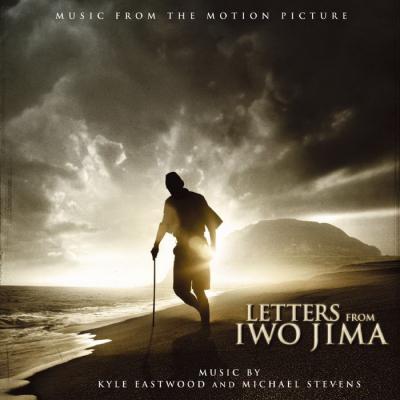
Letters From Iwo Jima (2007) Lyrics
Movie • Soundtrack
Track Listing
›Main Titles (Instrumental)
›Letters Montage (Instrumental)
›Preparing For The Battle
Hrossharsgrani
›Suicide
Avant
›Enemy Fire
Ryan Adams
›Shimizy's Past (Instrumental)
›Dinner Party (Instrumental)
›Nearing The End (Instrumental)
›Kuribayashi's Farewell Letter (Instrumental)
›Song For The Defense Of Iwo Jima
›Kuribayashi Pleads For Death (Instrumental)
›End Titles Part 1 (Instrumental)
›End Titles Part 2 (Instrumental)
"Letters From Iwo Jima" Soundtrack: Description
Album Overview
The "Letters from Iwo Jima" soundtrack, composed by the legendary Clint Eastwood, serves as a haunting accompaniment to the film. The 2007 movie, directed by Eastwood, centers on the Japanese perspective during the Battle of Iwo Jima in World War II. The soundtrack reflects the somber, poignant nature of the film, using a delicate blend of traditional Japanese sounds with more modern cinematic composition to evoke deep emotional resonance.
In keeping with Eastwood's signature style, the score is minimalistic yet powerful, featuring subtle instrumentation and an emotive piano. The music enhances the film’s meditative approach to war, focusing on themes of sacrifice, honor, and the tragic futility of violence. The quiet, introspective nature of the score contrasts with the brutality of the battlefield, creating a deeply moving experience for listeners and viewers alike.
- Release Date: 2007
- Genre: Score, Film Soundtrack
- Length: 45:06
- Label: Warner Bros. Records
- Album Charts: Not found
Production and Reception
Clint Eastwood, who also directed the film, composed the soundtrack himself, marking another entry in his long career as a composer for his own films. The music is sparse, often drawing on traditional Japanese instruments like the shamisen and koto, combined with more Western orchestral arrangements. This blend is used effectively to mirror the cultural clash in the movie and convey the emotional depth of the characters involved in the battle.
The soundtrack was praised for its emotional depth and its ability to capture the soul of the film. Critics noted that Eastwood’s music enhanced the storytelling by adding an additional layer of complexity, allowing the audience to engage with the film's themes of war, loss, and remembrance. The somber tone of the music complements the visual aesthetics of the film, which focuses heavily on the human side of the conflict.
Critic's Reviews
The critical reception of the soundtrack was highly favorable. Critics appreciated how Clint Eastwood's composition took a minimalist approach to create an immersive and emotional experience. The soundtrack was particularly praised for its ability to evoke the subtle, reflective nature of the film. Film music reviewers noted that the score’s somber tones were perfectly matched with the serious subject matter of the film, with its understated beauty underscoring the emotional stakes.
One critic noted:
"Eastwood’s score does not overwhelm the film. It enhances, it builds. It is contemplative."
Film Score Monthly
Track Highlights
The soundtrack is filled with emotionally charged tracks that resonate deeply with the narrative of the film. Some of the standout tracks include:
- "The Raising of the Flag": A quiet, reflective piece that plays at a pivotal moment, symbolizing the triumph and loss of the battle.
- "A War Without Heroes": A mournful, yet hopeful track that underscores the futility of war.
- "Letters From Iwo Jima": The titular track, serving as the emotional core of the soundtrack. It carries a melancholy tone that lingers throughout the entire film.
Musical Styles and Themes
The musical styles present in the "Letters from Iwo Jima" soundtrack reflect both the traditional Japanese aesthetic and Clint Eastwood’s Western orchestral approach. The blend of East Asian instruments such as the shamisen and koto, with Western strings and piano, creates a unique fusion that emphasizes the film’s cultural and emotional landscape.
The primary theme throughout the soundtrack is one of sacrifice and introspection. There is a noticeable lack of grandiose action music. Instead, the score opts for subtle, understated moments of reflection, mirroring the internal struggles of the soldiers portrayed in the film. The themes of honor, loss, and the tragic nature of war permeate each track.
Movie Background
"Letters from Iwo Jima" is the companion film to Eastwood's "Flags of Our Fathers," which tells the story of the American soldiers who raised the flag on Iwo Jima. In contrast, "Letters from Iwo Jima" focuses on the Japanese soldiers defending the island, providing a poignant and humanizing perspective on the Battle of Iwo Jima.
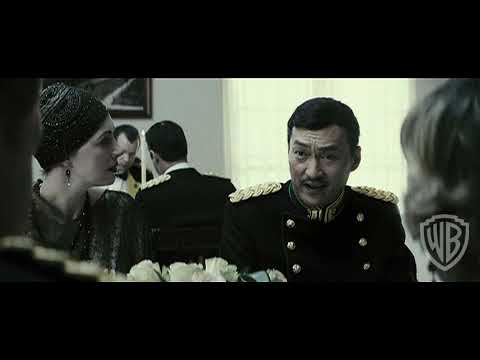
Directed by Clint Eastwood, the film features a talented cast of Japanese actors, including Ken Watanabe, who plays General Tadamichi Kuribayashi. The story unfolds through letters written by the soldiers, exploring their thoughts and emotions as they face the overwhelming odds of the battle. The film’s grim portrayal of war is complemented by the delicate, emotional score, which helps convey the gravity of the soldiers’ experiences.
Main Cast of the Movie
Ken Watanabe as General Tadamichi Kuribayashi.
Ken Watanabe plays General Kuribayashi, a key figure in the film's portrayal of the Japanese defense of Iwo Jima. His performance captures the complexity and internal struggle of a leader facing impossible odds.
Tsuyoshi Ihara as Baron Nishi.
Tsuyoshi Ihara portrays Baron Nishi, a Japanese fighter pilot and a character who struggles with the moral implications of the war.
Ryo Kase as Saigo.
Ryo Kase plays Saigo, a young and idealistic soldier whose personal journey is central to the emotional heart of the film.
Quotes
"The score is subtle, but it resonates with a timeless emotion."
Clint Eastwood
"Eastwood’s compositions are as contemplative as the battle itself."
Film Music Reporter
February, 10th 2025
A-Z Lyrics Universe
Popular lyrics
Defying Gravity
Cynthia Erivo Popular
Ariana Grande Horsepower
Post Malone Ain't No Love in Oklahoma
Luke Combs Good Riddance (Time of Your Life)
Green Day Bye Bye Bye
*NSYNC You're the One That I Wan
John Travolta & Olivia Newton-John I Always Wanted a Brother
Braelyn Rankins, Theo Somolu, Kelvin Harrison Jr. and Aaron Pierre The Power of Love
Frankie Goes to Hollywood Beyond
Auli’i Cravalho feat. Rachel House MORE ›
Cynthia Erivo Popular
Ariana Grande Horsepower
Post Malone Ain't No Love in Oklahoma
Luke Combs Good Riddance (Time of Your Life)
Green Day Bye Bye Bye
*NSYNC You're the One That I Wan
John Travolta & Olivia Newton-John I Always Wanted a Brother
Braelyn Rankins, Theo Somolu, Kelvin Harrison Jr. and Aaron Pierre The Power of Love
Frankie Goes to Hollywood Beyond
Auli’i Cravalho feat. Rachel House MORE ›
New soundtracks
Lyrics / song texts are property and copyright of their owners and provided for educational purposes only.