"Song For The Defense Of Iwo Jima" by Juno Ishida, Zento Kobayashi, and Marika Kobayashi: Song Details, Meaning & Impact
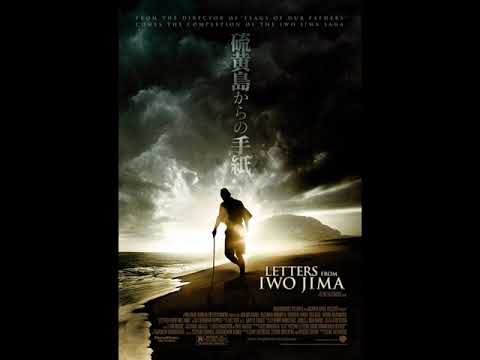
Song Credits:
- Featuring Artist(s): Juno Ishida, Zento Kobayashi, Marika Kobayashi
- Composer(s): Juno Ishida, Zento Kobayashi, Marika Kobayashi
- Writer(s): Kyle C. Eastwood, Michael C. Stevens
- Album: *Letters from Iwo Jima* (2007)
- Track #: 10
- Language: Japanese
- Genre: Cinematic, Traditional Japanese Music
- Label: Warner Music Japan
Exploring the meaning of "Song For The Defense Of Iwo Jima"
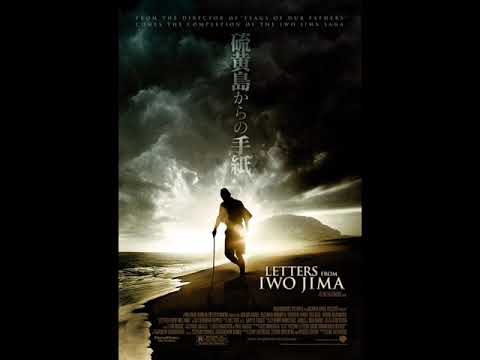
The song "Song For The Defense Of Iwo Jima" is a deeply evocative anthem that reflects the heroism and sacrifice of the Japanese soldiers during the Battle of Iwo Jima, as seen through the lens of Clint Eastwood’s *Letters from Iwo Jima* (2006). The lyrics are imbued with a sense of solemn pride and fierce determination, echoing the sentiment of defending one’s homeland at all costs. The words speak to the unwavering commitment of the soldiers who, as the song states, would fight until death to ensure the safety of the "imperial land."
The song’s text begins with a vivid image of the Pacific Ocean, referencing the geographical isolation of Iwo Jima, which serves as a crucial point in the defense of Japan. The small island is described as "a lonely island" where the fate of Japan rests, symbolizing the dire circumstances faced by the soldiers. The repetition of "Iwo Jima" is not just a reference to the physical island, but a symbol of national pride and a key strategic point that held deep cultural and emotional significance during World War II.
The next part of the song shifts focus to the resolve of the defenders. The lines "As long as we stand, We shall feel safe" and "We shall fight with pride and honor" convey the soldiers' unyielding spirit. The song reflects the "imperial pride" of Japan, invoking the image of the "Japanese manhood" (日本男児), which signifies the strength and honor the soldiers believed they had to uphold. The song's final sentiment emphasizes the glory and honor of protecting Iwo Jima, even at the cost of one's life. This text paints a picture of ultimate sacrifice and duty, where the fight is not just for survival but for national honor and legacy.
The music complements the text with a traditional and somber melody, enhancing the emotional weight of the message. The solemn atmosphere created by the arrangement echoes the gravity of the historical event the song represents, reinforcing the feeling of loss, courage, and nationalism. The historical and emotional depth of the song contributes to the overall impact of the *Letters from Iwo Jima* film, where the battle is not only a military conflict but also a representation of pride, sacrifice, and tragedy.
Similar songs with themes of war and honor:
- "The Green Fields of France" by Eric Bogle: This song, like "Song For The Defense of Iwo Jima," reflects on the sacrifices made during wartime, specifically World War I. The imagery in "The Green Fields of France" expresses deep sorrow and reflection, similar to the somber tone of the Japanese anthem. Both songs grapple with the loss of life in war and the cost of defending one’s country. However, whereas the Iwo Jima song glorifies the ultimate sacrifice as an act of pride, "The Green Fields of France" mourns the lives lost without glorifying the violence of war, showing a more pacifist perspective.
- "Brothers in Arms" by Dire Straits: This track has a similar emotional resonance, as it delves into the brotherhood formed through war and the shared experiences of soldiers on the front lines. "Brothers in Arms" speaks to the emotional weight of war, the personal connections formed, and the inevitable losses. The connection between the two songs lies in their portrayal of soldiers’ loyalty and the strong emotional bonds formed in the face of battle.
- "The Band Played Waltzing Matilda" by The Pogues: Both songs reflect the aftermath of war and the sacrifice of soldiers, but with starkly different cultural contexts. "The Band Played Waltzing Matilda" captures the futility and horror of war, particularly for the Australian soldiers at Gallipoli. It shares a common theme of reflecting on the meaning of sacrifice, similar to "Song for the Defense of Iwo Jima," though the latter remains resolute in its pride and honor, while the former expresses regret and sorrow.
- "I Vow to Thee, My Country" by Gustav Holst: This anthem shares the nationalistic and solemn tone of "Song For The Defense of Iwo Jima." It emphasizes a vow of loyalty and sacrifice for one’s country, much like the unwavering commitment seen in the song from *Letters from Iwo Jima*. Both songs convey a deep sense of national pride and duty to defend the homeland, with a tone of reverence and patriotism.
- "The Trooper" by Iron Maiden: This heavy metal anthem reflects the spirit of war and valor in a more intense, energetic manner compared to the reflective tone of "Song For The Defense of Iwo Jima." Both, however, capture the feeling of pride in battle and the honor of standing firm in defense of one's country. While "The Trooper" is fast-paced and aggressive, both songs share the central theme of the soldier's unwavering commitment to the fight.
- "Fortunate Son" by Creedence Clearwater Revival: Though more of an anti-war song, "Fortunate Son" shares thematic similarities in its critique of the social and political forces that send soldiers into battle. In contrast to "Song For The Defense of Iwo Jima," which glorifies sacrifice, "Fortunate Son" questions the system that causes men to fight in wars. Both songs reflect on the personal cost of warfare, albeit from different political and emotional perspectives.
Questions & Answers
- What is the central message of "Song For The Defense of Iwo Jima"?
- The central message of the song is about national pride, honor, and sacrifice. The soldiers' willingness to fight and die to defend Japan, represented by Iwo Jima, is portrayed as an act of ultimate patriotism. The song emphasizes the importance of the island in the defense of the nation and the soldiers' dedication to protecting their homeland.
- How does the music complement the song's message?
- The traditional instrumentation and somber melodies enhance the serious and reflective tone of the song. The music underscores the sense of solemn duty and the sacrifice of the soldiers, helping to evoke a sense of reverence and honor that aligns with the lyrical themes.
- What historical significance does Iwo Jima hold in the context of the song?
- Iwo Jima was a key battleground during
World War II, where Japanese forces fought fiercely to defend the island against American forces. It became a symbol of Japanese resistance and the costs of war. The song uses this historical context to reflect the soldiers' commitment to protecting their land and their honor, regardless of the personal cost.
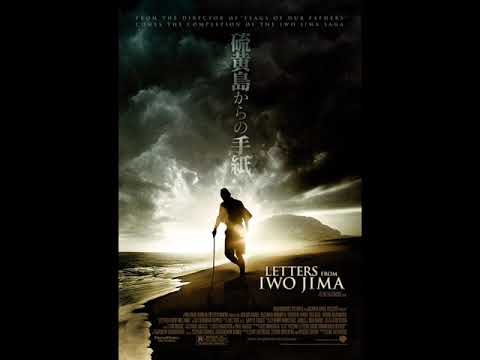
Chart Performance and Awards
The song "Song For The Defense of Iwo Jima" is not a mainstream chart-topper but has been recognized for its significant cultural impact. As part of the *Letters from Iwo Jima* soundtrack, it helped set the tone for the film's depiction of the war from the Japanese perspective, which earned critical acclaim. The film itself was nominated for several Academy Awards, though the song itself did not receive individual awards. However, its role in the soundtrack contributed to the movie's emotional depth and historical authenticity.
Fan and Media Reactions
"The song beautifully captures the somber tone of *Letters from Iwo Jima*, evoking a deep sense of pride and sacrifice. It's a poignant reflection on the warrior spirit that defined Iwo Jima's defenders."
Film critic, The Hollywood Reporter
"I can't stop listening to this track. The way the music builds alongside the lyrics creates such a powerful emotional connection to the history. You can feel the honor and sorrow in every note."
Fan comment on YouTube