A Beautiful Soul Lyrics – Deitrick Haddon
Soundtrack Album: A Beautiful Soul
Hands in the air.
Come on, love.
So beautiful.
I know what turns.
I don't have no words to say to comfort you.
But what I can say is I can relate to what you're going through.
When I look in your eyes, I see someone who's mastered the art of smiling.
It's not what's on the outside, baby, it's on the inside, you got to glow.
You got a beautiful soul.
Let's go, love.
And nobody cares, they just mesmerize.
My own beauty.
Never meant to be contained, still would make to cry.
And if they don't let you go, I'm a free love, it's going to die.
You got a beautiful soul.
That's what you have, love.
Baby, you don't even know.
You got a beautiful soul.
I don't think you know.
I don't think you know.

A Beautiful Soul
Soundtrack Lyrics for Movie, 2012
Track Listing
Deitrick Haddon
Deitrick Haddon Featuring Fonzworth Bentley / Nikki Potts
Deitrick Haddon
Deitrick Haddon
Deitrick Haddon (feat. Sean Hardin & Jor'el Quinn)
Deitrick Haddon
Deitrick Haddon
Deitrick Haddon
Deitrick Haddon
Deitrick Haddon
Deitrick Haddon
Deitrick Haddon
Song Overview
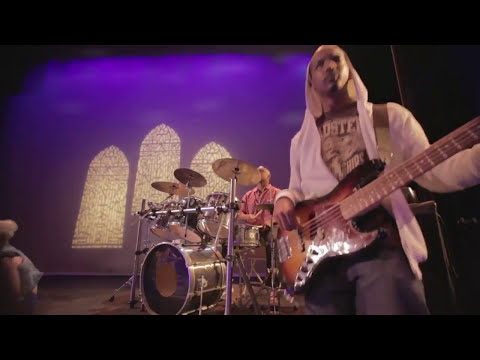
Released in spring 2012 as part of the companion album A Beautiful Soul - Music Inspired by the Motion Picture, Deitrick Haddon's track operates at the seam where inspirational gospel meets sleek R&B production. The film of the same name opened on May 4, 2012, with Haddon in the lead as Andre Stephens - a fictional R&B star whose spiritual drift sets up a modern retelling of a redemption parable. The soundtrack arrived April 17, 2012 on Tyscot Records and framed the movie’s arc with radio-friendly choruses and faith-centered messages.
Review and Highlights
Quick summary
- Studio single from the 2012 album A Beautiful Soul - Music Inspired by the Motion Picture on Tyscot Records, aligned to the film released May 4, 2012.
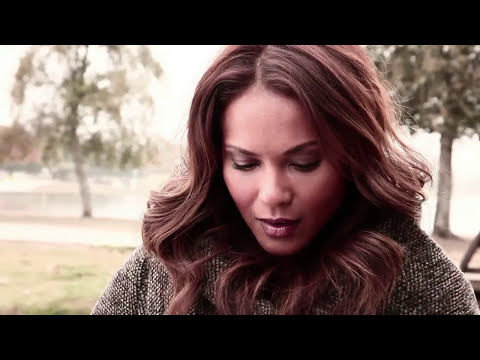
- Official video published on Haddon's channel, weaving performance shots with film imagery to underscore the redemption theme.
- Musically blends contemporary gospel with polished R&B textures and choir-backed lifts typical of Haddon's crossover style.
- Part of a soundtrack cycle where the album functions as a narrative partner to the movie’s spiritual storyline.
Lyrics & music review
On first listen, the record feels like a benediction delivered on a festival stage - handclap-ready cadences, call-and-response cues, and a hook that lands with soft insistence. Haddon layers a conversational verse approach over gleaming keys and mid-tempo percussion, letting the vocal sit slightly forward while stacked harmonies bloom around the title phrase. The core mantra - "you got a beautiful soul" - returns like a pastoral refrain, functional as both comfort and commission. The arrangement keeps things mobile: lightly syncopated drum programming in the verses, a pre-chorus that relaxes the pocket, then a chorus lift that leans on sustained pads and a choir swell.
Production-wise, the single reflects the sonic continuity of the entire 2012 set - a project critics tagged as futuristic gospel with a pop sheen. The aesthetic parallels Haddon's earlier Church on the Moon era while softening the edges to suit a film’s moral arc. According to coverage gathered in 2012, the companion album was released by Tyscot in CD and digital formats and positioned as a narrative extension of the movie rather than a simple collection of cues.
Creation History
While detailed multi-writer credit lines for this particular track are sparse in public databases, the surrounding album credits consistently point to Haddon’s creative leadership and to Tyscot’s release structure. Apple Music lists the set with April 17, 2012 street date, offers both a standard and a deluxe version, and hosts the official music video entry for the single.
The cinematic context matters: the film - directed by Jeffrey W. Byrd - arrived May 4, 2012, casting Haddon as an R&B star confronted with life-and-death stakes and a mirror for his spiritual state. The song functions inside that story as the empathetic center - the moment where the narrative tilts from self-regard to recognition of intrinsic worth.
Key takeaways
- Built for uplift: a chorus designed to be sung by congregations and concert crowds alike.
- Blends gospel testimony with R&B polish, an idiom Haddon has shaped across multiple No. 1 projects, as reported by Billboard coverage of his career.
- Serves a dual role - a standalone single and a narrative cue that reinforces the movie’s redemptive turn.
Song Meaning and Annotations
Plot
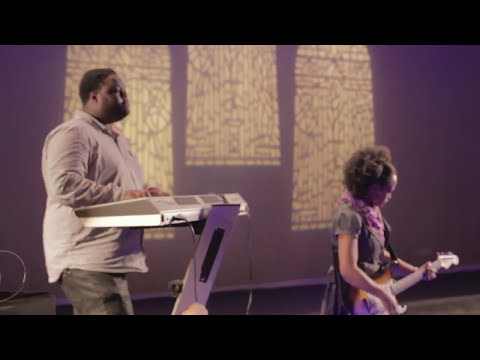
In the film, Andre Stephens has everything but peace. A violent tragedy cracks his protective shell and forces a confrontation with consequences - fame without formation, adulation without depth. The soundtrack mirrors that trajectory, placing this song at the moral heart: it names beauty where shame and burnout have been allowed to grow. The lyric addresses a listener who has perfected the mask - smiling through losses - and offers a counter-vision that worth is not a commodity but a gift.
Song Meaning
The message is a pastoral affirmation: dignity that is neither earned by accolades nor forfeited by failure. The track treats beauty as an interior light, not an image to curate. In a cultural climate obsessed with surfaces, the hook insists that the truth is housed in the soul and that recognition of this fact is the start of healing. Within the movie’s arc, it is tantamount to a confession: the protagonist has chased the wrong metrics. This single returns him - and us - to the first metrics of faith communities: belovedness, purpose, and the stubborn presence of hope.
Annotations
"I don't have no words to say to comfort you - but what I can say is I can relate."
That phrasing signals pastoral presence over easy answers. The singer refuses platitudes and offers solidarity - a hallmark of contemporary gospel’s counseling voice.
"It's not what's on the outside, it's on the inside - you got to glow."
Here, "glow" frames sanctification in pop language - the inner work becoming visible. The image resonates with late 2000s and early 2010s gospel-pop where radiance and light were common metaphors for transformation.
"You got a beautiful soul."
As a refrain, it compresses the sermon into a single sentence. The melody holds the line long enough to feel like a blessing spoken over a person rather than at an audience.
Deep-dive analysis
Genre fusion and rhythm
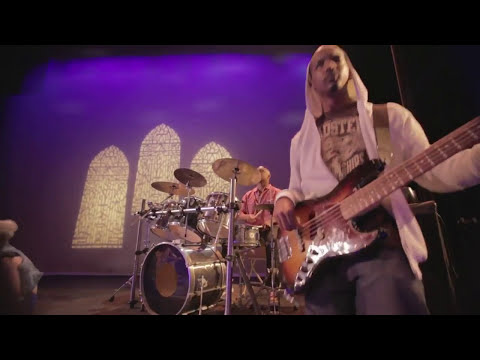
The rhythm section rides a mid-tempo groove that would not be out of place beside adult R&B playlists, but the harmonic lifts cue the church. Keys and pads fill out the harmonic field, while backing vocals add a choral halo around the lead. That fusion - urban polish plus sanctuary cadence - had been central to Haddon's catalog and to the 2012 album’s critical framing as futuristic yet devotional.
Emotional arc
The record is written for deflated hearts. Verse one names the ache; the pre-chorus offers presence; the hook pronounces identity. By the second chorus, the emotional temperature rises through stacked harmonies rather than pure volume, avoiding melodrama in favor of warmth.
Cultural touchpoints
The film’s premise nods to classic redemption narratives, and contemporary coverage described it as a modern refraction of earlier moral fables - a near-urban parable with a pop soundtrack spine.
Production and arrangement
Studio gloss is evident: clean vocal comping, tight drum programming, and precision in the reverb tails that lets the hook linger. The choir responses feel intentionally restrained - more ensemble pillow than full call-and-response workout - so the words stay front-and-center.
Language and metaphor
"Beautiful soul" functions as both predicate and imperative. Predicatively, it names a present reality; imperatively, it invites the listener to live as if that identity is true. The lyric’s simple diction is strategic: complexity would blunt the invitation.
Key Facts
- Artist: Deitrick Haddon
- Featured: Deitrick Haddon & Voices of Unity (album credit line)
- Composer: Deitrick Haddon (primary creative lead; public listings center the project under his authorship)
- Producer: Not publicly standardized across sources for this specific track; album produced within Tyscot’s 2012 release framework.
- Release Date: April 17, 2012 (album); film released May 4, 2012.
- Genre: Contemporary gospel, R&B.
- Instruments: Lead vocal, backing choir, keyboards/synth pads, programmed drums.
- Label: Tyscot Records.
- Mood: Encouraging, restorative, congregational.
- Length: ~3:50 on the album listing.
- Track #: Mid-sequence on standard edition; present on deluxe as well.
- Language: English.
- Album: A Beautiful Soul - Music Inspired by the Motion Picture.
- Music style: Urban gospel with pop arrangement; choir-backed refrain.
- Poetic meter: Conversational free meter with pop prosody.
Canonical Entities & Relations
- Deitrick Haddon - sings and leads the single; stars as Andre Stephens in the 2012 film.
- Tyscot Records - releases the album and soundtrack.
- Jeffrey W. Byrd - directs the film A Beautiful Soul.
- Releve Entertainment / Manhaddon Entertainment / Tyscot Film + Entertainment - production entities behind the movie.
Questions and Answers
- Is the song performed in the film or only on the soundtrack?
- It functions as part of the soundtrack project tied directly to the film’s narrative world; the official video intercuts performance with film framing, marking it as a thematic centerpiece.
- What makes the track stand out in Haddon's catalog?
- The hook is unusually plainspoken and portable - a phrase that can live in a sanctuary or a club PA without translation - and it sits within Haddon's ongoing fusion of gospel content and R&B sonics, a blend his Billboard-noted run helped normalize in the 2010s.
- How does the lyric speak to the film’s story?
- It reframes value from public acclaim to inner worth, dovetailing with the protagonist’s transition from image-chasing to restoration.
- Was the track a major chart single on its own?
- There is no widely cited multi-chart peak for this specific cut; the related soundtrack album carried the commercial footprint and appears on discographies as a 2012 entry.
- Who released the record?
- Tyscot Records issued the album in both standard and deluxe editions on April 17, 2012.
- How does the music video support the message?
- By placing the singer center-frame and cutting in cinematic motifs from the film’s world, the video underscores the song’s pastoral voice and the movie’s pivot toward redemption.
- Where does the album sit in Haddon's timeline?
- It follows his Church on the Moon era and precedes R.E.D., illustrating his sustained interest in narrative projects that travel between pulpit and pop.
- Does the song feature a choir?
- Yes - ensemble backing vocals support the chorus, giving the refrain a congregational lift consistent with the album’s hybrid design.
- What are the primary musical ingredients?
- Lead vocal, keys and pads, mid-tempo programmed drums, and a restrained choir layer that opens up on the hook.
Awards and Chart Positions
There is no public record of the single topping a major chart, but the associated album is listed in discographies as a 2012 entry and aligns with the same year as the movie’s release. The broader context - Haddon's continued presence on Billboard’s Gospel charts, including later Gospel Airplay No. 1s - maps the long arc of his influence rather than a single-track spike during this cycle.
| Item | Detail | Source |
|---|---|---|
| Album release | April 17, 2012 on Tyscot; standard and deluxe editions | Apple Music listing |
| Film release | May 4, 2012 theatrical date | Wikipedia film entry (release section) |
| Later career milestone | Multiple Gospel Airplay No. 1s across the 2010s and 2020s | Billboard reporting |
Additional Info
The project sits within a prolific period for Haddon. Apple’s listings and streaming platforms show the 2012 album flanked by Church on the Moon (2011) and R.E.D. (2013), underlining how he toggled between solo statements, ensemble choir work, and film-linked releases.
As stated in coverage from Apple and soundtrack indexes, the album’s distribution spanned CD and digital storefronts, and the video release strategy placed the title cut squarely in front of the film’s target audience.
The official video - viewable on Haddon's channel - uses performance focus to keep the words audible and front-facing, a technique familiar to gospel radio but shaped here for YouTube’s visual economy. According to Billboard’s ongoing reporting on his career, that attention to message-forward performance helped Haddon maintain a steady chart presence beyond this soundtrack cycle.
Embedded media
For a quick visual refresher, the official thumbnail images above are pulled from the YouTube upload of the music video.
Sources & attestations
According to Apple Music’s listings and soundtrack indexes, the album street date is April 17, 2012. Billboard’s reporting provides the long view on Haddon's chart trajectory.
Sources: Apple Music, Billboard, Wikipedia, FilmMusic.com, AllMusic, Spotify.
A-Z Lyrics Universe
Cynthia Erivo Popular
Ariana Grande Horsepower
Post Malone Ain't No Love in Oklahoma
Luke Combs Good Riddance (Time of Your Life)
Green Day Bye Bye Bye
*NSYNC You're the One That I Wan
John Travolta & Olivia Newton-John I Always Wanted a Brother
Braelyn Rankins, Theo Somolu, Kelvin Harrison Jr. and Aaron Pierre The Power of Love
Frankie Goes to Hollywood Beyond
Auli’i Cravalho feat. Rachel House MORE ›