The House of the Rising Sun Lyrics – The Animals
Soundtrack Album: Perfect Days
There is a house in New Orleans
They call the Rising Sun
And it's been the ruin of many a poor boy
And God, I know I'm one
My mother was a tailor
She sewed my new blue jeans
My father was a gamblin' man
Down in New Orleans
Now the only thing a gambler needs
Is a suitcase and a trunk
And the only time he's satisfied
Is when he's all drunk
[Organ Solo]
Oh mother, tell your children
Not to do what I have done
Spend your lives in sin and misery
In the House of the Rising Sun
Well, I got one foot on the platform
The other foot on the train
I'm goin' back to New Orleans
To wear that ball and chain
Well, there is a house in New Orleans
They call the Rising Sun
And it's been the ruin of many a poor boy
And God, I know I'm one

Perfect Days
Soundtrack Lyrics for Movie, 2024
Track Listing
The Animals
The Velvet Underground
Otis Redding
Patti Smith
The Rolling Sones
Sachiko Kanenobu
Lou Reed
The Kinks
Van Morrison
Nina Simone
History of creation
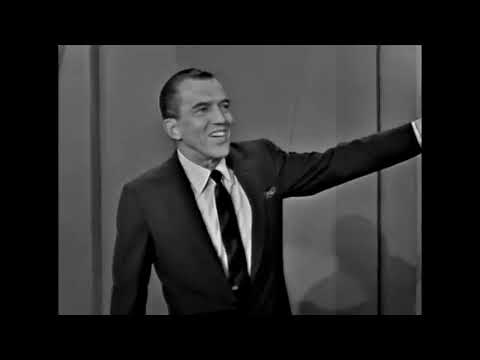
“House of the Rising Sun” is a traditional American folk song whose modern life runs from Appalachian field recordings to a one-take, electrified breakthrough by The Animals in 1964. The Animals’ version—cut in London at De Lane Lea Studios and arranged around Hilton Valentine’s arpeggiated guitar and Alan Price’s Vox Continental—became a transatlantic No. 1 and is widely cited as the first major folk-rock hit.
Roots: from Appalachia to the Archive
The oldest known recording under the title “Rising Sun Blues” was made on September 6, 1933 by Clarence “Tom” Ashley & Gwen Foster for Vocalion (matrix 13960; release 02576). Ashley said he learned it in the family, pointing to 19th-century circulation.
In 1937, folklorists Alan and Elizabeth Lomax documented a crucial variant in Middlesboro, Kentucky, sung by 16-year-old Georgia Turner and cataloged it as “Rising Sun Blues.” Turner’s performance—and additional verses Lomax collected from nearby singers—became the backbone of later folk-revival versions via Lomax’s 1941 songbook Our Singing Country.
What (and where) was the “House”?
The lyric has floated between explanations for more than a century. Some versions frame it as a woman’s lament tied to a brothel; later male-narrated versions lean toward gambling ruin; still others point to prison lore. Scholars note English antecedents and imagery (“Rising Sun” as a bawdy-house or pub name) and caution against single-origin myths like the oft-repeated “Madame Marianne LeSoleil Levant” story. In short: multiple traditions converged; no single site has been proved.
Folk revival templates: Van Ronk & Dylan
By the early 1960s, New York’s folk scene had a settled arrangement through Dave Van Ronk. Bob Dylan cut a closely related take for his 1962 debut—sparking a long-told squabble over who got to record that arrangement first and putting a male narrator at the center.
The Animals: the one-take that changed everything (1964)
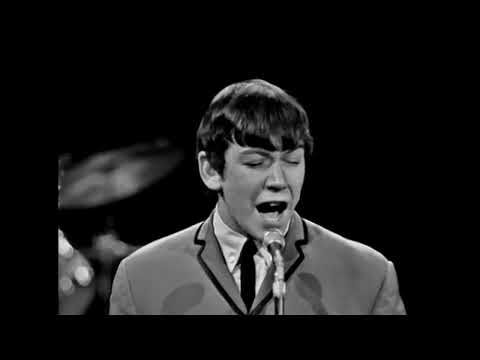
Touring Britain with Chuck Berry in early 1964, The Animals began closing shows with an amped-up “Rising Sun,” using it to stand apart from straight rock-and-roll encores. On May 18, 1964, between tour dates, they recorded it in one take at De Lane Lea (Kingsway, London) with producer Mickie Most. The signature elements: Valentine’s minor-key arpeggio, Eric Burdon’s searing lead, and Price’s pulsing organ.
They also leaned into a male gambler viewpoint—one reason the lyric shed explicit brothel/prison cues and read cleaner on radio.
Released in the UK in late June 1964 (Columbia DB 7301), the single hit #1 on July 9, 1964; in the U.S. it reached #1 on September 5, 1964 (three weeks). A shorter U.S. radio/single edit (~2:58) circulated alongside the 4:29 full take. The record’s impact is routinely described as the first big folk-rock smash.
Credits & the royalty wrinkle
Because the song is traditional, the only income bucket was the arrangement credit. The Animals’ label credited Alan Price alone—variously explained at the time as a label-space and admin decision—leaving other members embittered as royalties accrued. However, as Van Ronk and others have noted, an arrangement itself can’t monopolize a public-domain work’s authorship; disputes have remained mostly in interviews and memory.
Notable soundtracks & appearances
| Year | Title / Medium | How it’s used |
|---|---|---|
| 1995 | Casino (film) | Scorsese deploys the Animals’ cut over a mob-hit montage. |
| 2013 | American Horror Story: Coven (TV) | Lauren O’Connell’s cover featured prominently in the promo campaign. |
| 2016 | Suicide Squad (film) | Opens the movie’s early prison sequence with the Animals’ recording. |
Primary sources & key recordings
- 1933 Ashley & Foster, “Rising Sun Blues” (Vocalion 02576) — first known commercial recording.
- 1937 Georgia Turner, “Rising Sun Blues” — Lomax field recording (Library of Congress/Alan Lomax Archive).
- 1962 Bob Dylan’s album version (after Dave Van Ronk’s arrangement).
- 1964 The Animals’ single — recorded May 18; released late June (UK), August (US); UK & US No. 1.
“We were looking for a song that would grab people’s attention.” Eric Burdon
(Recounting the choice to electrify “Rising Sun” in 1964.)
FAQ
Did Alan Lomax discover the song?
No single person did. Lomax’s 1937 Kentucky recordings—especially Georgia Turner’s—preserved a version that heavily shaped the folk-revival repertoire and, indirectly, the Animals’ path to a hit.
Is there a real New Orleans address?
Plenty of candidates, but none universally accepted. Scholars flag English bawdy-house/pub “Rising Sun” imagery and warn against tidy myths; readings span brothel, jail, and gambling den.
Why do some versions say “poor girl” and others “poor boy”?
It’s a floating folk lyric. Early prints and Turner’s line point female; several mid-century male singers flipped the narrator to stress gambling ruin; The Animals locked that in for pop radio.
Was The Animals’ cut really done in one take?
Yes. Contemporary accounts and later interviews agree it was captured at De Lane Lea (Kingsway) on May 18, 1964—one take that ran 4:29.
Why does a shorter version exist in the U.S.?
Programmers favored sub-3:00 singles. MGM issued a ~2:58 edit for U.S. radio alongside the uncut take that later dominated reissues.
Who got paid?
Because the song is traditional, only the arrangement earns on that recording. The label credited Alan Price alone, a decision that long outlived the band—and the source of no small bitterness.
Song Overview
Review and Highlights

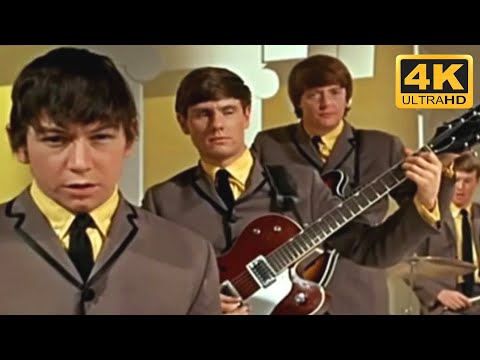
I’ve written about plenty of “definitive” recordings, but The Animals’ take on “House of the Rising Sun” doesn’t just define the song - it redefines what a folk standard can do when it plugs into the mains. Hilton Valentine’s arpeggiated guitar opens a door and the room tilts; Eric Burdon walks in with that coal-dust baritone and the air gets heavy. Alan Price’s Vox Continental organ doesn’t accompany so much as hypnotize. Four and a half minutes later, the radio era’s time limits look quaint.
Everything here leans forward: a minor-key dirge shaped into a folk-rock breaker; a tempo that lopes like a train over old ties; a vocal that starts contained and ends like a warning flare. If you’re tracking the British Invasion’s turn from R&B covers to something rawer and myth-sized, this is the hinge.
Highlights
- Signature sound: rolling, broken-chord guitar in A minor, Vox organ swells, and live-feel rhythm section locked to a compound-meter pulse.
- Vocal arc: controlled narrative opening that ramps to open-throated lament, without losing pitch focus.
- Studio lore: captured quickly, with a “play-it-like-a-gig” approach that keeps the danger in.
- Cultural shift: widely cited as an early, era-defining folk-rock hit that broadened AM radio’s palette.
Creation History
The band had woodshedded the song on tour and pushed to cut it in London with producer Mickie Most. The arrangement credit landed with keyboardist Alan Price; the UK single arrived on Columbia with catalog number DB 7301 and promptly climbed the charts. In the States, MGM handled the release, with a radio edit trimmed from the full 4:29 for some stations. A key TV push came with their autumn appearance performing it on The Ed Sullivan Show.
Song Meaning and Annotations

Plot
The narrator looks back at a life derailed by a house in New Orleans - a place of vice that pulled them off course. They speak from hard-earned hindsight, warning others not to repeat their steps. It’s confessional and cautionary at once.
Song Meaning
“Rising Sun” is a folk parable wrapped in blues clothes. The Animals keep the bones of the story and change the blood type: it isn’t a wistful ballad anymore, it’s fatalistic. Burdon’s delivery turns the warning into a summons - not to sin, but to witness the cost. That’s why the performance feels larger than the lyric sheet; the band makes the house a machine you can hear working.
Annotations
“The vocal starts low, with intent, then leaps an octave as the pain spills out.”
That dynamic lift is the song’s dramatic axis. When the melody climbs, the organ’s sustained harmony lets the voice burn without clutter, and the groove holds its ground. Folk storytelling, rock staging.
“Guitar figure as tolling bell.”
Valentine’s arpeggio sits like a pendulum. It’s the listener’s metronome and the narrator’s fate - steady, unrelenting. The slight push-pull against the backbeat gives it that traveling feel.
“First folk-rock hit? You can argue it and still be right.”
Historically, the record is the moment folk structures met electric amplification on mainstream singles radio in a way that didn’t neuter either side. The Animals keep the ballad frame, but the timbre, volume, and attack are rock. That fusion is why later covers either lean heavier or softer in response.

Style and Rhythm
Minor-mode harmony, compound feel that reads as 6- or 12-based time in the hands, with a moderate tempo. Organ takes the sustain role; guitar supplies motion; drums emphasize the bar’s spine, not decoration. That restraint is part of the menace.
Symbols and Language
The house isn’t just a building. It’s appetite institutionalized. New Orleans is less a map dot here than a myth-setting where choices echo longer. The narrator’s warning closes the loop, turning a confession into a street sign.
Key Facts
- Artist: The Animals
- Featured: none
- Composer: Traditional
- Arranger: Alan Price
- Producer: Mickie Most
- Release Date: June 1964 - UK single; August 1964 - US single
- Label: Columbia UK - DB 7301; MGM Records - US
- Genre: folk rock, rock
- Length: 4:29 (full single)
- Instruments: lead vocal, electric guitar arpeggio, Vox Continental organ, bass, drums
- Language: English
- Music style: minor-key ballad set to compound meter, electric folk-blues fusion
- Poetic meter: ballad stanza, predominantly iambic with anapestic turns
- Catalog note: UK Columbia catalog DB 7301 on first issue
Questions and Answers
- Why did The Animals choose this song for a single?
- They had been closing shows with it on tour, and the audience reaction was undeniable. That road-test heat pushed the studio call.
- Was it really cut in one take?
- The session was famously quick, performed live in the room. That urgency is baked into the record’s feel.
- What’s with the arrangement credit controversy?
- The single credits the arrangement to Alan Price, which steered royalties his way and caused long-running friction inside the band.
- How big did it get on the charts?
- Number 1 in the UK in July 1964, and number 1 on the Billboard Hot 100 for three consecutive weeks in September 1964.
- Which cover versions matter historically?
- Frijid Pink’s fuzzed-out 1970 hit reached US top 10; Dolly Parton’s 1981 version turned it into a country-pop entry; Five Finger Death Punch reframed it for modern hard rock and hit the Mainstream Rock top 10.
Awards and Chart Positions
- UK Singles Chart: peaked at number 1 in July 1964
- Billboard Hot 100: number 1 for three weeks - September 5, 12, and 19, 1964
- Grammy Hall of Fame: inducted 1999
- Rolling Stone 500 Greatest Songs: placed in the 2021 list within the top 500
- Rock and Roll Hall of Fame: included among the 500 Songs That Shaped Rock and Roll
- Cover milestones: Frijid Pink’s version reached US Hot 100 number 7 in 1970; Dolly Parton’s single hit country and crossed to the Hot 100; Five Finger Death Punch’s cover reached Mainstream Rock top 10.
How to Sing House of the Rising Sun
Range & placement: Treat it as a baritone-led line with room to climb. Start centered and resonant; save the higher intensity for the octave lift later in the form.
Breath strategy: Think in two-bar arcs over the arpeggiated guitar. In compound time, inhale on the final eighth before a phrase; release on the downbeat without pushing.
Vibrato & grit: Add color on sustained notes at the end of lines. A hint of rasp works, but keep the core tone clean so consonants stay intelligible.
Tempo & feel: Moderate compound meter around the mid-110s BPM. Let the triplet grid roll; don’t square it off. The organ and guitar do the lifting - you ride the wave.
Dynamics: Verse one is a confession. Verse two widens. The big lift is the climactic verse - open the vowel and move the air, then land the warning without shouting.
Additional Info
- Famous US TV moment: the band performed it on The Ed Sullivan Show in October 1964.
- B-side on the UK single: “Talkin’ ’Bout You.”
- Screen usage: prominently heard in Martin Scorsese’s Casino, where its fatalism fits like a glove.
- Tempo-key quick sheet for performers: A minor, compound feel, medium pace; guitar arpeggios define the pocket.
A-Z Lyrics Universe
Cynthia Erivo Popular
Ariana Grande Horsepower
Post Malone Ain't No Love in Oklahoma
Luke Combs Good Riddance (Time of Your Life)
Green Day Bye Bye Bye
*NSYNC You're the One That I Wan
John Travolta & Olivia Newton-John I Always Wanted a Brother
Braelyn Rankins, Theo Somolu, Kelvin Harrison Jr. and Aaron Pierre The Power of Love
Frankie Goes to Hollywood Beyond
Auli’i Cravalho feat. Rachel House MORE ›