
"Sweeney Todd The Demon Barber Of Fleet Street" Soundtrack Lyrics
Movie • 2007
Track Listing
Stephen Sondheim
Johnny Depp, Jamie Campbell Bower
Helena Bonham Carter
Johnny Depp, Helena Bonham Carter
Johnny Depp, Helena Bonham Carter
Jayne Wisener
Laura Michelle Kelly, Jamie Campbell Bower
Jamie Campbell Bower and Johnny Depp
Edwards Sanders, Johnny Depp, Helena Bonham Carter
Sacha Baron Cohen, Johnny Depp, Tomothy Spall
Johnny Depp, Helena Bonham Carter
Alan Rickman, Timothy Spall
Johnny Depp, Alan Rickman
Johnny Depp, Helena Bonham Carter, Jamie Campbell Bower
Johnny Depp, Helena Bonham Carter, Jamie Campbell Bower
Jamie Campbell Bower, Johnny Depp, Laura Michelle Kelly
Edward Sanders, Helena Bonham Carter
Johnny Depp, Helena Bonham Carter
Edward Sanders, Helena Bonham Carter
Johnny Depp, Helena Bonham Carter, Jamie Campbell Bower, Jayne Wisener, Laura Michelle Kelly, Alan Rickman
“Sweeney Todd: The Demon Barber of Fleet Street (The Motion Picture Soundtrack) — 2007” – Album Guide to Tracks and Key Scenes
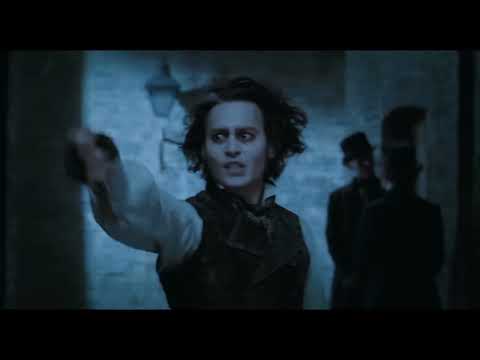
Overview
What happens when a sung-through stage monster is trimmed into a film noir with a straight razor? Tim Burton’s Sweeney Todd keeps the pulse and pares the chorus — a blood-dark operetta where melody sharpens motive. The soundtrack album documents that choice: Stephen Sondheim’s score re-forged for cinema, with Johnny Depp and Helena Bonham Carter singing in character, close and unforgiving.
The movie drops the show’s framing chorus and moves — fast. Jonathan Tunick’s orchestrations scale up to a larger orchestra, Paul Gemignani drives the band like a thriller, and producer Mike Higham threads the cuts so the plot never idles. You still get the big ones (“Epiphany,” “A Little Priest”) but now they arrive like blades from a sleeve.
Genres & themes in phases: grand-guignol operetta — obsession and ritual; waltz and music-hall pastiche — salesmanship and sin; Bernard Herrmann–tinged suspense writing — fatalism; lullaby motifs — lies whispered sweetly.
How It Was Made
Album: Sweeney Todd: The Demon Barber of Fleet Street — The Motion Picture Soundtrack (Nonesuch, Dec 18, 2007). Two editions shipped: a “Highlights” disc and a “Deluxe Complete” set with all 20 film numbers and an 80-page booklet. Producer: Mike Higham. Conductor/Music Supervisor: Paul Gemignani. Orchestrations: Jonathan Tunick (expanded to a larger cinema orchestra). Sessions were recorded at Air Lyndhurst, London.
Adaptation choices: Sondheim approved trims and deletions (notably cutting the sung chorus lyrics of “The Ballad of Sweeney Todd” and tightening or excising several ensemble pieces) to keep the film’s narrative velocity; the result is leaner, with lyrics and underscoring doing more of the lifting between murders.

Tracks & Scenes
“Opening Title” (Instrumental “Ballad” motif)
- Where it plays:
- Bleak credits over ink-black London; the chorus text is gone, but the “Attend the tale…” motif haunts the orchestration as the camera sinks into Fleet Street.
- Why it matters:
- Signals the film’s thesis — keep the myth, lose the narrators. We’ll attend without being told to.
“No Place Like London” (Johnny Depp, Jamie Campbell Bower)
- Where it plays:
- On deck, London creeping into view; Anthony’s optimism collides with Sweeney’s acid memories. Street grime, fog horns, and first hints of vengeance.
- Why it matters:
- Two worldviews in counterpoint: naïve romance vs. hard return. The film’s moral split, drawn in melody.
“The Worst Pies in London” (Helena Bonham Carter)
- Where it plays:
- Lovett’s pie shop patter with clattering props as percussion. The camera tracks dough, dust, and a razor’s first glint on the counter.
- Why it matters:
- Introduces gallows comedy and the film’s dry, close-mic vocal approach — intimacy over belt.
“Poor Thing” → “My Friends” (Bonham Carter; Depp & Bonham Carter)
- Where it plays:
- Lovett’s half-truth backstory spills while Sweeney reunites with his razors. The duet becomes a wedding vow — man to blade — as camera and harmony lock in.
- Why it matters:
- Character engine: lies + steel. The romance of revenge makes everything that follows inevitable.
“Green Finch and Linnet Bird” (Jayne Wisener)
- Where it plays:
- Johanna at her window, the caged aria floating over iron rails and keyholes. Visuals isolate her like a pinned specimen.
- Why it matters:
- Beauty as indictment — her prettiest melody underscores her prison.
“Pirelli’s Miracle Elixir” → “The Contest” (Edward Sanders; Sacha Baron Cohen)
- Where it plays:
- Street hustle, then the barbers’ duel. Show-biz patter pops; the cut to steel is a punchline that curdles.
- Why it matters:
- Burton’s music-hall becomes a trapdoor; comedy sets tempo for violence.
“Pretty Women” (Depp, Alan Rickman)
- Where it plays:
- Razor at the jugular while a genteel duet blooms; Rickman’s Judge Turpin sighs on the long vowels as Sweeney restrains the kill.
- Why it matters:
- Sondheim’s cruelest irony: tenderness used as throttle control.
“Epiphany” (Depp; with Bonham Carter)
- Where it plays:
- Fleet Street explodes; Sweeney vows wholesale slaughter. The camera whips with the orchestra; the whistle is a straight nerve.
- Why it matters:
- The switch flips. From vendetta to vocation.
“A Little Priest” (Bonham Carter, Depp)
- Where it plays:
- Music-hall soft-shoe about cannibal pies — cutaways to meat grinder, oven, and blissfully oblivious customers.
- Why it matters:
- Black-comic manifesto. Wordplay sells sin as enterprise.
“Johanna (Reprise)” (Jamie Campbell Bower; ensemble)
- Where it plays:
- Cross-cut of Sweeney’s “busy season” — the chute thuds in rhythm as Anthony searches. A lullaby over murder montage.
- Why it matters:
- Counterpoint as indictment; love song scored to industrial disposal.
“God, That’s Good!” (Edward Sanders; Bonham Carter)
- Where it plays:
- Pie-shop boom time — elbows out, mouths full, Toby proud behind the counter. The number is tightened for film, all appetite.
- Why it matters:
- Public acclaim lubricates private atrocity. Success tastes like amnesia.
“By the Sea” (Bonham Carter; with Depp)
- Where it plays:
- Lovett daydreams in candy colors; Sweeney stands inert inside the fantasy, a cutout on a cardboard beach.
- Why it matters:
- Escapism as character reveal — her lies are warm; his are cold.
“Not While I’m Around” (Edward Sanders; Bonham Carter)
- Where it plays:
- Toby’s oath lands in a narrow, honest register as Lovett plots. The camera hugs faces; trust feels breakable.
- Why it matters:
- The only un-ironic lullaby. Which makes what follows hurt.
“Final Scene” (Company principals)
- Where it plays:
- The cellar, the reveal, the oven, the aria that isn’t one; the orchestral “Ballad” DNA returns wordlessly as the tale closes the loop.
- Why it matters:
- Burton keeps the tragedy intimate — we hear consequences more than pronouncements.
Trailer / not-on-highlights notes
- The commercial “Highlights” CD omits several cues present on the complete edition (e.g., “Opening Title,” “Alms! Alms!,” “Ladies in Their Sensitivities,” “Final Scene”).
- The film uses the “Ballad” motif instrumentally; its choral lyrics are excised for pace.
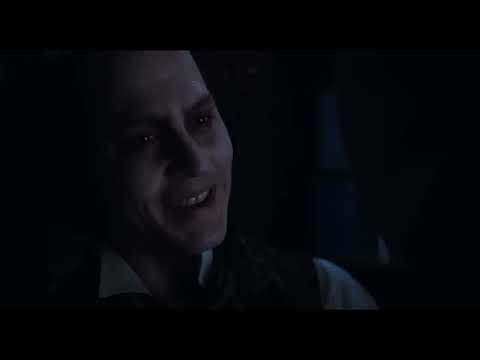
Notes & Trivia
- Label & date: Nonesuch released the soundtrack December 18, 2007; the film opened days later.
- Two editions: “Highlights” and a Deluxe/Complete set (all 20 numbers) with an 80-page booklet.
- Team: Mike Higham (album producer); Jonathan Tunick (orchestrations); Paul Gemignani (conductor/music supervisor).
- Scale-up: The film orchestration expands the stage forces to a much larger studio orchestra for a more cinematic weight.
- Charts: US Billboard 200 peak #16; Top Soundtracks #3; UK Albums peak #38 (plus various international entries).
Music–Story Links
Removing the sung “Ballad” chorus shifts the storytelling job to orchestration and camera: the Dies irae–tinged motif stalks scenes as a ghost narrator while lyrics stay in-character. Love songs (“My Friends,” “Pretty Women”) are weaponized, waltzes become traps, and even the comic showstoppers (“A Little Priest,” “By the Sea”) function as psychological cover. The expanded orchestra adds Herrmann-like momentum — a thriller skeleton under the operetta skin.
Reception & Quotes
The album landed strong chart positions and drew praise for committing to character-first vocals with deluxe studio craft. Even skeptical stage purists conceded the cinematic logic of the trims.
“Complete music — all 20 songs — from the Tim Burton film… with an 80-page booklet.” Label notes
“Longtime Sondheim collaborators… orchestrator Jonathan Tunick and music supervisor Paul Gemignani… soundtrack produced by Mike Higham.” Press/label
“A bloody wonder… flying on the wings of Sondheim’s most thunderously exciting score.” Review pull-quotes via label
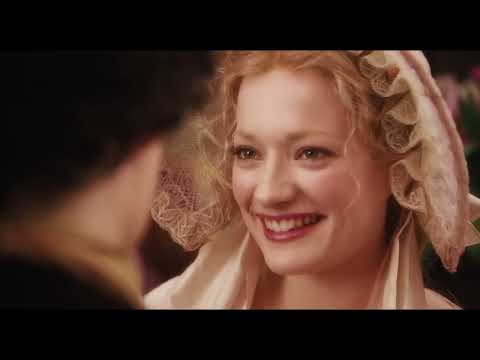
Interesting Facts
- Two-disc vs one: The “Highlights” disc trims several cues; the Deluxe issue restores the full film sequence.
- Depp’s vocals: Produced separately (with Bruce Witkin) to keep raw timbre but studio precision.
- Organ cameo: Rugby School Chapel organ appears in the recording credits — a gothic color in the mix.
- Whistle psychology: The factory whistle functions like a shock cut — Burton uses it sparsely for maximum jolt.
- Myth without chorus: The “Ballad” survives instrumentally, letting the orchestra carry the cautionary voice.
Technical Info
- Title: Sweeney Todd: The Demon Barber of Fleet Street — The Motion Picture Soundtrack
- Year: 2007 (album); film release the same week
- Type: Feature film — songs/score from Sondheim’s musical, adapted for cinema
- Label: Nonesuch Records
- Album producer: Mike Higham
- Conductor / Music Supervisor: Paul Gemignani
- Orchestrations: Jonathan Tunick (additional orchestrations: Julian Kershaw)
- Recorded at: Air Lyndhurst Studios, London
- Notable numbers (film): “No Place Like London,” “The Worst Pies in London,” “My Friends,” “Green Finch and Linnet Bird,” “The Contest,” “Pretty Women,” “Epiphany,” “A Little Priest,” “Johanna (Reprise),” “God, That’s Good!,” “By the Sea,” “Not While I’m Around,” “Final Scene”
- Chart peaks: Billboard 200 #16; Top Soundtracks #3; UK Albums #38
- Availability: “Highlights” and “Deluxe Complete Edition” (CD/digital); later vinyl reissue
Questions & Answers
- Why is the famous “Ballad of Sweeney Todd” missing?
- The film drops the chorus lyrics for pace; its motif remains instrumentally in the “Opening Title” and elsewhere.
- Which edition should I buy?
- The Deluxe/Complete edition — it has all 20 film numbers and a substantial booklet; the single-disc “Highlights” trims several cues.
- Who handled the music behind the scenes?
- Mike Higham produced; Jonathan Tunick expanded the orchestrations; Paul Gemignani conducted and served as music supervisor.
- Did the soundtrack chart?
- Yes — Billboard 200 #16 and Top Soundtracks #3, with UK and other international placements.
- Are the vocals heavily “sweetened”?
- They’re studio-cut but character-forward; Depp’s vocals were produced to preserve the raw, speech-like delivery Sondheim endorsed for film.
Key Contributors
| Entity | Relation |
|---|---|
| Stephen Sondheim | Composer & lyricist (original musical) |
| Tim Burton | Film director; executive soundtrack producer |
| Mike Higham | Album producer; additional arrangements |
| Jonathan Tunick | Orchestrations (expanded for film) |
| Paul Gemignani | Conductor; music supervisor |
| Johnny Depp; Helena Bonham Carter; Alan Rickman; Timothy Spall; Sacha Baron Cohen; Jamie Campbell Bower; Jayne Wisener; Edward Sanders; Laura Michelle Kelly | Principal vocal cast on the soundtrack |
| Nonesuch Records | Label (soundtrack editions) |
| Air Lyndhurst Studios, London | Primary recording venue |
Sources: label notes and release pages; soundtrack album entry; credits/track list; chart summaries; trailer.
November, 27th 2025
A-Z Lyrics Universe
Cynthia Erivo Popular
Ariana Grande Horsepower
Post Malone Ain't No Love in Oklahoma
Luke Combs Good Riddance (Time of Your Life)
Green Day Bye Bye Bye
*NSYNC You're the One That I Wan
John Travolta & Olivia Newton-John I Always Wanted a Brother
Braelyn Rankins, Theo Somolu, Kelvin Harrison Jr. and Aaron Pierre The Power of Love
Frankie Goes to Hollywood Beyond
Auli’i Cravalho feat. Rachel House MORE ›