I Want You With Me Christmas Lyrics – Jesse Belvin
Soundtrack Album: Nativity!
[Verse 1]
I want you with me Christmas.
When candles are a glow.
I want your love this Christmas.
The thrill, the blaze, the show.
[Verse 2]
If you are with me Christmas.
Beneath the mistletoe.
My love just like the tinsel.
We'll really deck the glow.
[Bridge]
We put our hearts together.
When love was very young.
Yet with each glad new season,
a brand new carol is sung.
[Chorus]
I want you with me Christmas.
That's all I really know.
I want your love this Christmas.
To keep my heart a glow.
[Bridge]
We put our hearts together.
When love was very young.
Yet with each glad new season,
a brand new carol is sung.
[Chorus]
I want you with me Christmas.
That's all I really know.
I want your love this Christmas.
To keep my heart of glow.
[Outro]
A glow.
Merry Christmas from the Belvin Family!!!
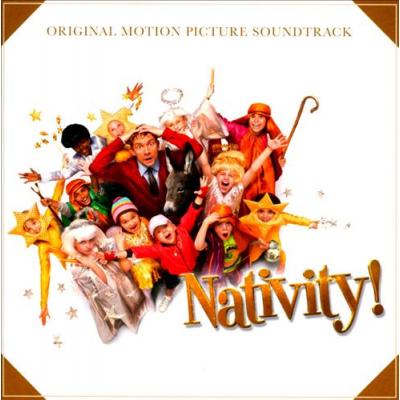
Nativity!
Soundtrack Lyrics for Movie, 2009
Track Listing
The MGM Orchestra
Jackson 5
Diana Decker
Ron Sexsmith
Bleu
Jackson 5
Jesse Belvin
The Ronettes
Hayley Westenra
Nativity! Cast
Nativity! Cast
Nativity! Cast
Nativity! Cast
Nativity! Cast
Nativity! Cast
Hayley Westenra & Nativity! Cast
Song Overview

Review and Highlights
Quick summary
- Mid-1950s rhythm-and-blues Christmas ballad originally released as the B-side to "Goodnight My Love (Pleasant Dreams)".
- Written by Buddy Farr and recorded by Los Angeles crooner Jesse Belvin with lush, string-tipped production.
- Revived for a new generation via the 2009 British film Nativity! and its Decca-released soundtrack.
- Musically, a slow 4/4 sway in B flat major around 104 BPM, sitting in Belvin’s smooth baritone comfort zone.
- Lyrics frame Christmas not as spectacle but as an intimate ritual between long-term lovers.

Review & key takeaways
You can hear why old Los Angeles musicians spoke about Jesse Belvin in almost hushed tones. Here he takes a simple seasonal wish - wanting a partner close when the candles glow - and stretches it into a slow, glowing R&B reverie. The track moves at an easy stroll, underpinned by triplet-leaning piano, brushed drums, and soft background voices that feel like a choir just offstage. It is less about sleigh bells and more about the warmth of one person’s company when the year draws in.
Belvin’s vocal approach is deceptively light. He leans on legato phrases, sliding gracefully into notes rather than attacking them, with a hint of crooner polish that nods toward Nat King Cole. The melody circles around a small set of pitches, but he shades each repetition differently - a little extra breath here, a longer held note there - so the repetition feels like ritual, not monotony. According to longform features in outlets like the Los Angeles Times, contemporaries saw him as a bridge between raw doo-wop and smoother soul balladry, and this track fits that description perfectly.
The arrangement keeps to classic mid-50s R&B language: a I-vi-ii-V turnaround feel, gentle triplet swing, and unhurried dynamics. But what keeps it from drifting into syrup is the subtle blues tint in the phrasing. Belvin bends into crucial syllables, and the band occasionally leans on blue notes, reminding you that beneath the fairy lights sits a working R&B band, not a string orchestra in a snow globe. Critics who write about historic holiday music regularly note, as in one 2019 Rolling Stone overview of Christmas records, that the most enduring seasonal cuts balance nostalgia with real feeling; this one quietly checks that box without grand gestures.
Soundtrack & screen uses
Nativity! (2009) - feature film soundtrack - non-diegetic. Used as part of the licensed needle-drop selection that frames the world of the Coventry school and its Christmas pageant. Exact timestamp is not consistently documented in public cue sheets, but the track functions as warm period source music rather than an on-screen performance. Its role is to deepen the film’s nostalgic, retro-Christmas texture alongside songs by the Jackson 5, the Ronettes, Ron Sexsmith, and others on the Decca-issued Nativity! Original Soundtrack. It effectively positions Belvin’s cut as the romantic, slow-dance corner of that playlist, lending a touch of mid-century Los Angeles to a very British festive comedy.
Creation History
The song was cut in 1956 during the same Modern Records sessions that produced "Goodnight My Love (Pleasant Dreams)", Belvin’s signature hit. Songwriter Buddy Farr brought in the Christmas piece, and producer George Motola is widely associated with the session’s sound: lush but economical, with a small string section and a vocal group often identified as the Don Ralke Singers. Initially issued as "I Want You With Me Xmas" on the B-side of Modern 1005, it was a seasonal flip to a growing R&B hit and briefly disappeared from print once holiday stock was cleared. Over the decades it resurfaced on specialist compilations of rhythm-and-blues Christmas tunes and, eventually, on Ace Records’ deep dive into Belvin’s catalogue. Its surprise second life came when music supervisors for Nativity! folded the track into their 2009 soundtrack album, placing a 1950s West Coast ballad next to contemporary British cast numbers and classics by the Ronettes.
Song Meaning and Annotations

Plot
The lyric unfolds like a quiet conversation near a Christmas tree. In the opening verse, the narrator imagines the holiday with "candles...a glow", and the only thing he is absolutely sure about is wanting his partner there. The second verse extends that desire into ritual: standing together under the mistletoe, love sparkling like tinsel as they "deck the glow" of the season.
A short bridge shifts into memory. The couple "put [their] hearts together" when their love was young, and every new Christmas becomes an excuse for a fresh "carol" - a new expression of the same bond. The chorus circles back to a single firm idea: in the rush of gifts and spectacle, he mostly knows one thing – he wants this specific person’s love to keep his heart lit. The closing lines repeat "a glow" like a dimming candle that refuses to go out.
Song Meaning
At heart, this is a song about continuity. Instead of focusing on the excitement of first love, it approaches romance as something that ripens over multiple winters. Christmas becomes a recurring checkpoint for the relationship: each year, same partner, new song. The imagery is domestic and deliberately small-scale - candles, mistletoe, tinsel - because the emotional stakes live inside a private room, not a public celebration.
Musically, the slow blues-leaning swing supports that reading. The harmony rarely strays from a classic doo-wop cycle, which gives the impression of circling back to familiar territory the way a couple returns to the same traditions. Belvin’s baritone rarely raises his voice; he caresses phrases about wanting, glowing, and decking the room with love in a way that suggests gratitude more than yearning. It is a holiday love letter written by someone who has already found the person they were looking for.
There is also a subtle undercurrent of mortality and time. When the bridge mentions love being "very young" and then marks each "glad new season", you can hear the years stacking up. That sense of cherished repetition hits harder when you remember that Belvin himself died young; modern listeners, knowing his biography from sources like the Los Angeles Times and various R&B histories, sometimes hear the song as an almost ghostly postcard from a future he never reached.
Annotations
"We put our hearts together when love was very young."
A key line: the relationship is not new. The holiday is being reframed as a yearly anniversary, almost a vow renewal. In a lot of 1950s R&B, Christmas songs were aimed at flirting or reunion; here, the narrator is speaking as someone already committed, looking back at those first seasons together and quietly taking stock of how far they have come.
"Yet with each glad new season a brand new carol."
Belvin and Farr use "carol" as metaphor for how couples reinvent their rituals. Same people, same date, different little moments - a new joke, a new tradition, a new song. It is a lovely way to capture the balance between routine and surprise that keeps long relationships alive. The music plays along: on each pass through the section, the band adds tiny variations in the fills as if to illustrate that "brand new" feeling.
"My love just like the tinsel, we will deck the glow."
This is the most unusual image in the lyric. "Deck the glow" flips the expected phrase "deck the halls" and centres the light itself. Love becomes decoration for the warmth already present - an extra shimmer rather than the sole source of brightness. That is a very adult spin: the narrator is not saying "you are my only light", but "together we decorate what is already glowing in our lives."
"That is all I really know."
A simple, almost offhand admission that cuts deeper than it first appears. In a season overloaded with lists, plans, and expectations, he shrugs and says he is not sure of anything except wanting this person beside him. It is one of those rare cases where pop writing leans into not knowing as a kind of wisdom.

Style, rhythm, and emotional arc
Stylistically, the track sits at the crossroads of doo-wop, lounge ballad, and slow blues. The triplet feel gives it a soft rocking motion; the band never rushes, holding close to about 104 beats per minute in a laid-back 4/4 groove. Piano carries the harmonic bed, nudged by light drums and occasional string swells. Background voices arrive like a distant choir, thickening the choruses without overwhelming the lead.
The emotional arc traces a gentle swell rather than a dramatic climax. Verse one is almost conversational; by the time we hit the second chorus, Belvin stretches vowels and leans into the word "glow" as if he is reluctant to let the evening end. There is no big final high note. Instead, he and the band let the song drift out on a held tone and a soft farewell, which suits the quietly grateful mood far better than a showy finale. As a reviewer for Keys and Chords once put it about this performance, it is a slow Christmas blues delivered with calm assurance rather than fireworks.
Culturally, the recording captures a particular moment when African-American R&B artists were carving out space in holiday music, a field often dominated by big-band crooners and choral records. When writers at Billboard or Rolling Stone compile wide-angle lists of key Christmas songs, they often point to how mid-century R&B reshaped the season into something more romantic and intimate. Belvin’s cut is a textbook example of that shift: secular, romantic, rooted in Black postwar urban life, yet completely at ease next to more mainstream seasonal hits.
Technical Information
- Artist: Jesse Belvin
- Featured: Likely the Don Ralke Singers providing background vocals
- Composer / Lyricist: Buddy Farr
- Producer: Commonly associated with George Motola’s Modern Records production team
- Release Date: October 1956 (original single B-side); reissued on multiple compilations and the Nativity! soundtrack in 2009
- Genre: Rhythm and blues, slow blues, Christmas ballad
- Instruments: Lead vocal, piano, upright bass, drums, small string section, vocal group
- Label: Modern Records (original single); later Ace Records, Decca and others for reissues
- Mood: Warm, romantic, nostalgic, gently reflective
- Length: About 3 minutes 15–20 seconds depending on edition
- Track #: 7 on Nativity! Original Motion Picture Soundtrack
- Language: English
- Album (notable releases): Goodnight My Love (Ace compilation), Nativity! Original Motion Picture Soundtrack, various R&B Christmas anthologies
- Music style: Triplet-based R&B ballad with doo-wop harmonies and crooner inflections
- Tempo: Approx. 104 BPM, 4/4 time
- Key: B flat major (common commercial release)
- Poetic meter: Loose conversational ballad metre, mostly anapestic and iambic feet shaped around natural speech rather than strict scansion
Questions and Answers
- When was "I Want You With Me Christmas" first released?
- It was recorded and issued in late 1956 as the seasonal B-side to Jesse Belvin’s Modern Records single "Goodnight My Love (Pleasant Dreams)", catalog number Modern 1005, before vanishing from circulation once holiday stock was cleared.
- Who wrote the song?
- The composition is credited to Buddy Farr, a songwriter who supplied Modern Records with material; the recording pairs his lyric and melody with Belvin’s arrangement and the label’s in-house production team.
- How does the Nativity soundtrack version differ from the original single?
- What you hear on the Nativity! soundtrack is essentially the original 1950s studio take, remastered and slightly cleaned up for modern formats. There is no re-recorded vocal or new instrumentation; the difference lies in mastering and EQ, which brighten the top end compared with some older vinyl transfers.
- What makes this track stand out among other vintage Christmas songs?
- Instead of leaning on sleigh bells or novelty lyrics, it plays like a straight R&B love ballad that just happens to be set at Christmas. That choice gives it year-round replay value and places it closer to standards like "Goodnight My Love" than to novelty pieces; many collectors of 1950s slow blues single it out for its understated intimacy.
- Is the song used diegetically in the film Nativity!?
- Available documentation and soundtrack listings suggest it is used as non-diegetic background music rather than being sung by characters on screen. It sits within a suite of source cues that colour the film’s world between the original cast songs.
- What is the basic vocal range needed to sing it comfortably?
- The recorded version sits in a mid-baritone range in B flat major, staying mostly in the central part of a male voice. Most lines can be handled by a baritone or low tenor without strain, and altos can manage it comfortably if transposed down a tone or two.
- Why does the line "to keep my heart of glow" appear at the end?
- That slightly odd phrasing in the final chorus is almost certainly a performance quirk rather than a printed lyric change - Belvin clips "a" and "af" together on the take. It adds a human, improvised feel to the closing lines and is one of those tiny details fans often latch onto.
- How does the song connect to Jesse Belvin’s broader career?
- It sits alongside "Goodnight My Love" and later work like the Mr. Easy material as part of his move toward smooth, string-backed ballads. Biographies note that he was aiming for crossover success in the pop market, and this Christmas side shows how he could apply that polished style to seasonal material without losing his R&B roots.
- Are there notable cover versions?
- This particular Christmas tune has not attracted the same volume of covers as "Goodnight My Love" or Belvin’s co-write "Earth Angel". Instead, it has circulated primarily in reissue culture and specialist compilations, where the original recording is treated as the definitive version.
- Why do collectors sometimes list it as "I Want You With Me Xmas" or "I Want You With Me at Christmas"?
- The original Modern labels used "Xmas" as shorthand, and later reissues, databases, and retailers sometimes standardised or expanded the phrase in different ways. Underneath those cosmetic changes, the recording is the same mid-1950s Belvin performance.
- How does it fit into the tradition of R&B Christmas songs more broadly?
- Holiday playlists compiled by outlets like Billboard and long-running R&B curators often point out how postwar Black artists turned Christmas into a canvas for romance and blues storytelling. Belvin’s track is a textbook slow-dance entry in that tradition, sitting comfortably alongside later favourites by acts such as Charles Brown or the Drifters.
Awards and Chart Positions
As far as available chart data shows, "I Want You With Me Christmas" never received its own separate singles listing. Instead, its commercial footprint is tied to two main vehicles: the original 1956 single coupling and the later Nativity! soundtrack. The A-side, "Goodnight My Love (Pleasant Dreams)", became a national R&B hit in the United States, reaching the top ten of Billboard’s R&B-focused charts, with our Christmas tune riding on the same disc into jukeboxes and radio stacks.
| Chart / Territory | Entry | Peak Position | Notes |
|---|---|---|---|
| Billboard R&B charts (US) | "Goodnight My Love (Pleasant Dreams)" single, with "I Want You With Me Christmas" as B-side | No. 7 (R&B-focused chart) | The successful A-side helped keep the Christmas flip in circulation during the 1956 holiday season, particularly on jukeboxes and late-night radio. |
| Official Soundtrack Albums Chart (UK) | Nativity! Original Soundtrack | No. 14 | Decca’s soundtrack album, which includes the song as track 7, first entered the UK soundtrack chart in December 2009 and has logged dozens of weeks in the Top 75 over multiple seasons. |
| Official Album Download Chart (UK) | Nativity! Original Soundtrack | No. 79 | The same album has periodically reappeared in digital-era charts around the holidays, showing ongoing demand for its mix of film originals and vintage Christmas cuts. |
While it never became a household-name standard, the track has found a stable afterlife on specialist compilations such as Ace Records’ R&B retrospectives and themed Christmas blues anthologies. Those releases, often highlighted by critics who share deep-cut lists in publications and radio shows, have helped reframe it as a cult favourite rather than a forgotten B-side.
How to Sing I Want You With Me Christmas
If you want to sing this one like you are leaning against a mid-century jukebox, think less about power and more about ease. The whole performance is about gentle control: long lines, soft consonants, and warmth that never tips into melodrama.
Core metrics
- Tempo: roughly 104 BPM, slow swing in 4/4
- Key: B flat major in most modern releases
- Feel: triplet-based R&B ballad, lightly blues-inflected
- Typical vocal range: mid-baritone (comfortable for low tenors; altos can transpose down)
- Style cues: legato crooning, subtle vibrato, occasional blues slides into key notes
Step-by-step approach
-
Lock in the tempo and groove.
Set a metronome to about 104 BPM and clap on beats two and four until the swing feel feels natural. Then speak a few lines of the lyric in rhythm over that pulse. You are aiming for a relaxed lilt rather than strict, march-like timing.
-
Map out the melody and range.
On piano or a virtual keyboard, find the home chord in B flat major and trace the melody of the first verse. Notice how it rarely leaps far; most moves are stepwise. Mark any phrases that rise toward your upper comfort limit so you can plan breath and support there.
-
Shape the diction around softness.
Belvin’s delivery rounds off consonants: "Christmas" becomes a soft shimmer rather than a crisp cluster of sounds. Practice singing through the verses on a hum or on "la" to get the legato right, then add the words, keeping endings smooth rather than chopped.
-
Plan your breathing spots.
The lines about candles and mistletoe are longer than they look on the page. Take silent breaths just before key images ("when candles are a glow", "beneath the mistletoe") so you can float through the end of each phrase without gasping. Keep the ribcage gently expanded and think of the air as moving in a single, steady stream.
-
Lean into the swing and phrasing.
Once notes and words are secure, start playing with time. Nudge some syllables a fraction behind the beat - particularly on emotionally important words like "love" and "glow". That laid-back pocket is where the song really comes alive.
-
Add tasteful ornaments.
Belvin uses small slides into notes and light end-of-phrase vibrato. Try sliding a semitone into the first note of a phrase or easing into vibrato only on long, held syllables. Avoid decorating every line; a couple of ornaments per section will feel authentic without overdoing it.
-
Think duet with the band, not solo over it.
The singer and backing vocals share the emotional load. When the group comes in, slightly thin your tone so you blend with them, then thicken it again when you are alone. Imagine you are slow-dancing with the backing choir rather than trying to out-sing them.
-
Choose the right microphone approach.
On stage or in the studio, this song rewards close-miked intimacy. Stay fairly near the mic and use subtle head movement to manage dynamics - a little closer on quiet confessions, slightly back on the climactic words "keep my heart a glow".
-
Watch for common pitfalls.
Singers often rush the bridge, which breaks the dreamy mood, or over-phrase the last chorus, turning it into a power ballad. Keep your volume and vibrato consistent with the earlier sections, and resist the temptation to belt the final lines; the charm lies in staying understated to the very end.
-
Build practice materials.
Create a simple practice loop: piano or guitar playing the basic chord progression at 90–95 BPM so you can rehearse slowly. Once the slower tempo feels comfortable, nudge the speed up toward the record’s feel. If you can, also record yourself once with just a metronome and once with a backing track; compare how your timing and tone change between takes.
Additional Info
A few extra threads make this quiet little Christmas ballad even more interesting. On early Modern pressings it appears as "I Want You With Me Xmas"; later reissues and databases variously expand that to "Christmas" or "at Christmas", which can make discography work a small detective game. Collectors also pay attention to the different pairings of the original single: after the holidays, Modern re-pressed "Goodnight My Love" with a non-seasonal B-side, making surviving copies with the Christmas flip a little more desirable among R&B and doo-wop devotees.
Belvin himself has become a symbol of unrealised potential. Profiles in newspapers and books have revisited his work in the context of postwar Los Angeles R&B, often noting how peers such as Etta James and Sam Cooke admired his easy phrasing and compositional knack. According to one recent Los Angeles Times column, fellow musicians remembered him as the smooth singer everyone else looked up to, and the grave he shares with his wife has become a minor pilgrimage site for fans of mid-century soul and vocal-group music.
You can also trace the song’s quiet migration through compilation culture. It pops up on blues-and-soul holiday anthologies where it sits comfortably next to tracks by Charles Brown, B.B. King, and the Moonglows. Reviewers on specialist sites have described it as a "slow blues" highlight that adds a romantic breather to otherwise rowdy tracklists. In other words, it has become exactly the kind of under-the-radar seasonal deep cut that crate diggers love to pull out when the tree goes up.
Broader studies of Christmas records - such as Rolling Stone’s surveys of essential holiday albums or Billboard’s staff lists of all-time seasonal songs - tend to emphasise how the best festive music mixes nostalgia with genuine warmth. Heard alongside those more famous entries, Jesse Belvin’s Christmas side may never top a mainstream poll, but it quietly embodies that recipe: a simple wish, sung with understated grace, preserved on a piece of mid-50s vinyl that just kept finding its way back into winter rotations.
Key Contributors
| Entity | Type | Relationship (S–V–O) |
|---|---|---|
| Jesse Belvin | Person | Jesse Belvin sings the lead vocal on "I Want You With Me Christmas". |
| Buddy Farr | Person | Buddy Farr writes the song performed as "I Want You With Me Christmas". |
| George Motola | Person | George Motola produces mid-1950s Modern Records sessions featuring the track. |
| Don Ralke Singers | Organization | Don Ralke’s vocal group provides backing harmonies on the recording. |
| Modern Records | Organization | Modern Records releases the original 1956 single pairing "Goodnight My Love" with the Christmas B-side. |
| Ace Records | Organization | Ace Records reissues the song on compilation albums focusing on Jesse Belvin’s work. |
| Decca | Organization | Decca releases the Nativity! Original Soundtrack including the track. |
| Nativity! (film) | Work | The film Nativity! uses the recording as part of its Christmas soundtrack. |
| Coventry Cathedral | Location | Coventry Cathedral hosts the fictional school production around which the soundtrack, including this song, is assembled. |
Sources: AllMusic, Discogs, Official Charts Company, Ace Records notes, Nativity! soundtrack listings, Tunebat, Los Angeles Times features on Jesse Belvin.
A-Z Lyrics Universe
Cynthia Erivo Popular
Ariana Grande Horsepower
Post Malone Ain't No Love in Oklahoma
Luke Combs Good Riddance (Time of Your Life)
Green Day Bye Bye Bye
*NSYNC You're the One That I Wan
John Travolta & Olivia Newton-John I Always Wanted a Brother
Braelyn Rankins, Theo Somolu, Kelvin Harrison Jr. and Aaron Pierre The Power of Love
Frankie Goes to Hollywood Beyond
Auli’i Cravalho feat. Rachel House MORE ›