Soundtracks:  A B C D E F G H I J K L M N O P Q R S T U V W X Y Z #


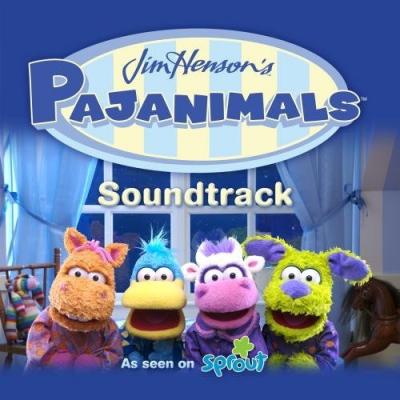
Pajanimals Album Cover

"Pajanimals" Soundtrack Lyrics

Cartoon • 2009

Track Listing


“Jim Henson’s Pajanimals (Music from the Sprout Shorts, 2008–2009)” – Album Guide to Tracks and Key Scenes

Pajanimals trailer still: Apollo, Squacky, Sweetpea Sue and Cowbella getting ready for bed
Pajanimals — Trailer / Sprout promo era (2008–2009)

Overview

How do you write bedtime songs that actually make kids sleepy and curious? Pajanimals answers with lullabies that feel like tiny adventures — brightly sung, simple on the surface, sneaky-smart underneath. The short-form musical interludes (aired on Sprout in 2008–2009) double as a mini-album about routines: brush, cuddle, lights out, dream.

The sound is plush and friendly: soft pop, music-box motifs, gentle hand percussion, and hummable choruses that parents can carry without a lyric sheet. Each character gets a voice lane — Squacky’s bouncy rhymes, Sweetpea Sue’s calm alto, Apollo’s wonder, Cowbella’s cozy flair — and the tunes meet real preschool problems: “I can’t sleep,” “I miss Mom,” “What’s that sound?”

Phase map: routine-builders and call-and-response songs (arrival), reassurance numbers for lights/noises (adaptation), confidence and body-movement ditties (rebellion against rest!), then the signature lullaby landing (collapse → acceptance). As one Henson write-up puts it, the series is musical first, with songs carrying the curriculum as well as the cuddles.

How It Was Made

Composers & lyricists: The shorts and the later series use original songs by Michael & Patty Silversher; lyrics credit also includes Alex Rockwell and Judy Rothman Rofè. According to Muppet Wiki and show credits, the Silvershers are the core songwriters across the property, with Dino Herrmann credited on the shorts for musical arrangements/audio post.

Recording & release context: The 2008–2009 shorts ran as three-minute music videos on Sprout’s The Good Night Show, then several were compiled on the Good Night, Pajanimals DVD (2009). A 2009 CD-R/album configuration circulated with the most-requested tunes from the shorts era (promo/limited distribution).

Trailer frame: Pajanimals bedrooms set where the shorts stage their lullabies and routines
How It Was Made — songwriter-led bedtime mini-musicals

Tracks & Scenes

“Pajanimals Theme Song” — Cast
Where it plays: Opening roll-call. Each Pajanimal is introduced getting ready for bed as Mom’s voice cues “ready for beddy-bye.” Non-diegetic into sing-along.
Why it matters: Sets routine and tone in 45 seconds — bright, bouncy, and safe.

“Stick to the Plan” — Cast (lead: Sweetpea Sue)
Where it plays: Bath → teeth → pajamas → lights; a checklist sung like a game. Visuals cut between the four friends helping each other stay on track. Diegetic within the story world.
Why it matters: Turns executive function into a call-and-response earworm.

“La-La-Lullaby” — Mom & Pajanimals
Where it plays: Wind-down centerpiece. The camera glides past moonlight and soft props while each character hums/echoes Mom. Non-diegetic becoming diegetic humming as eyelids droop.
Why it matters: The franchise’s signature; kids copy it instantly.

“What’s That Sound? (Night Will Sing Us All to Sleep)” — Ensemble
Where it plays: Apollo’s spooked by creaks and drips; friends reframe noises as a nighttime band — clock tick, water drip, leaves in wind — until fear turns into music.
Why it matters: Anxiety → pattern recognition; a perfect preschool cognitive turn.

“Lights in the Dark” — Ensemble
Where it plays: Each friend shows a “comfort light” — nightlight puppets, moon-gazing, a calm room glow — to help Apollo face the dark.
Why it matters: Models self-soothing strategies without lectures.

“Let’s Make Our Bodies Tired (Jiggle, Jumble, Jump)” — Ensemble
Where it plays: A gentle movement break before bed: wiggles become stretches, jumps become yawns.
Why it matters: Meets restless kids where they are; regulates through play.

“Goodnight to Mom” — Ensemble
Where it plays: A postcard-to-parents at lights-out, imagining what grown-ups do after bedtime.
Why it matters: Handles separation with gratitude and giggles.

“I Love to Love My Lovies” — Ensemble
Where it plays: A cozy ode to blankies and plushies; each character shares their “lovie” ritual.
Why it matters: Validates transitional objects — a small but huge thing for many kids.

“A Scary Dream” — Ensemble (lead: Cowbella)
Where it plays: Nightmare debrief. The group frames dreams as “stories in your head,” then retells Cowbella’s scare in a gentler key.
Why it matters: Gives language and agency to the big feelings.

“How Do I Know If It’s Morning Time?” — Ensemble (lead: Squacky)
Where it plays: Squacky wants to play; the others sing about clock cues, sun, and household sounds that mean “not yet.”
Why it matters: Teaches temporal cues with melody and humor.

Trailer image: night-light glow and moon outside—typical visual bed for the lullaby segments
Tracks & Scenes — routine, reassurance, then lights out

Notes & Trivia

  • The songwriting team is the same Silversher & Silversher duo behind many Henson/Disney preschool hits.
  • Shorts first aired November 2008 on Sprout; the 2009 DVD Good Night, Pajanimals compiled fan-favorite songs.
  • A 12-track 2009 CD-R/album circulated with the best-known shorts numbers (promo/limited retail).
  • Later (2011–2013) half-hour episodes reused and expanded the songbook with new context songs.
  • “La-La-Lullaby” videos racked up multi-million views online, becoming the brand’s calling card.

Music–Story Links

Every short ties a bedtime snag to a specific musical tool. Noises in the house? “What’s That Sound?” reframes fear as rhythm. Too much energy? “Let’s Make Our Bodies Tired” turns wiggles into a game. Missing Mom? “Goodnight to Mom” gives kids a “see you in the morning” script. And when all the little problems stack up, “La-La-Lullaby” is the parachute — breath slows, melody softens, lights fade.

Reception & Quotes

Parents discovered the songs via Sprout and DVD and treated them like a toolkit — short, repeatable, and effective. Critics of kids’ TV noted the unusually song-first structure for an interstitial series, with music doing most of the teaching.

“Musical adventures for bedtime — simple tunes that actually work.” — album-era summaries
“A lullaby canon you can live with on loop.” — family blogs roundups
Trailer frame: the four Pajanimals tucked in as the lullaby cadence resolves
Reception — songs parents kept in their pockets

Interesting Facts

  • Song credits: The theme and shorts-era songs are credited to Michael & Patty Silversher; additional lyrics by Alex Rockwell and Judy Rothman Rofè.
  • Curriculum tie-in: The show’s sleep consultants (Sleepy Planet) informed the routine/lullaby sequencing used in songs.
  • DVD focus: Good Night, Pajanimals (2009) centered the strongest bedtime numbers from the shorts.
  • Fan shorthand: Many parents refer to “La-La-Lullaby” simply as “the bedtime song.”
  • Online life: Official uploads of “La-La-Lullaby” and compilations keep the tracks discoverable for new families.

Technical Info

  • Title: Jim Henson’s Pajanimals — Music from the Sprout Shorts (2008–2009)
  • Year: 2009 (DVD/music compilation era; shorts premiered 2008)
  • Type: Television soundtrack (songs from short-form interstitials)
  • Composers: Michael Silversher; Patty (Patricia) Silversher
  • Lyricists: Patty Silversher; Alex Rockwell; Judy Rothman Rofè
  • Key songs (selection): “Pajanimals Theme Song” • “Stick to the Plan” • “La-La-Lullaby” • “What’s That Sound?” • “Lights in the Dark” • “Goodnight to Mom” • “A Scary Dream” • “How Do I Know If It’s Morning Time?”
  • Primary release nodes: Good Night, Pajanimals DVD (2009); limited 12-track CD-R/album of shorts songs (2009); official YouTube uploads.
  • Studio/production: The Jim Henson Company; Sixteen South; PBS Kids Sprout

Questions & Answers

Who wrote the Pajanimals songs?
Michael & Patty Silversher are the primary songwriters; additional lyrics credit to Alex Rockwell and Judy Rothman Rofè.
Is there an official album from 2009?
Yes — a 12-track CD-R/album of the shorts songs circulated in 2009 alongside the Good Night, Pajanimals DVD.
Which song is the bedtime “closer”?
“La-La-Lullaby” — the most-shared and re-watched track, often used as the final wind-down.
Do the later 2011–2013 episodes use the same songs?
They reuse and adapt several shorts numbers and introduce new character-specific songs.
Where can I hear the songs now?
Official uploads exist on YouTube via Henson/Pajanimals channels; DVD copies surface on retail/collector sites.

Canonical Entities & Relations

EntityRelationEntity
The Jim Henson CompanyproducedPajanimals (shorts & series)
Sixteen Southco-producedPajanimals (series)
Michael SilvershercomposedPajanimals songs
Patty Silvershercomposed/lyricsPajanimals songs
Alex Rockwellcreated / lyrics byPajanimals
Judy Rothman Rofèwrote lyrics forPajanimals songs
Sprout (PBS Kids Sprout)broadcastPajanimals shorts (2008–2009)
NCircle / retail partnersreleasedGood Night, Pajanimals DVD (2009)

Sources: The Jim Henson Company/Pajanimals channels; Muppet Wiki (credits/history); Discogs (2009 CDr/album entry); DVD listings & retailer pages; fan-maintained DVD/track pages; Silversher & Silversher bios.

November, 18th 2025


A-Z Lyrics Universe

Lyrics / song texts are property and copyright of their owners and provided for educational purposes only.