It's Only Life, That's all Lyrics – Willie Wright
Soundtrack Album: 10 Years
[Verse 1]
Seems the years have passed me by
Right before my eyes
It's amazing how time flies
But it keeps on flyin' by
Children growin' up, leaving home
Making the world on their own
Mothers and fathers are satisfied
Saying "Look how the kids have grown"
[Chorus]
It's only life, that is all
It's only life, that is all
It's only life, that is all
That is all
[Verse 2]
World is changing, oh so fast
It's getting hard to live in the past
Even though sometimes, oh how I try
There ain't no use for pretending now
Things are not the same
As I take a look around me
Oh how the world has changed
[Chorus]
It's part of life, that is all
It's all a part of life, that is all
It's part of life, that is all
That is all
[Verse 3]
Most people tryin' to forget it
'Fore they grow tall
Some steppin' on one another
Just to reach their goals
Never stopping to notice
[?]
It must be an easier way
For everybody to go where they got to go
[Chorus]
It's part of life, that is all
It's all a part of life, that is all
It's only life, that is all
Oh, that is all
[Verse 4]
Lovers breaking each others hearts
Guess I'll never know why
Some love affair ain't last forever
While the other ones often die
Meanwhile children grow, leavin' home
Making the world of their own
Mothers and fathers are satisfied
Saying "Look how the kids have grown"
[Chorus]
It's part of life, that is all
It's only life, that is all
It's only life, that is all
That is all

10 Years
Soundtrack Lyrics for Movie, 2012
Track Listing
Oscar Isaac
Alexander
Bibio
Willie Wright
Bushwalla
Rogue Wave
Joe Purdy
Oscar Isaac
Chad Fischer
Willie Wright
The Pharcyde
Song Overview

Review and Highlights
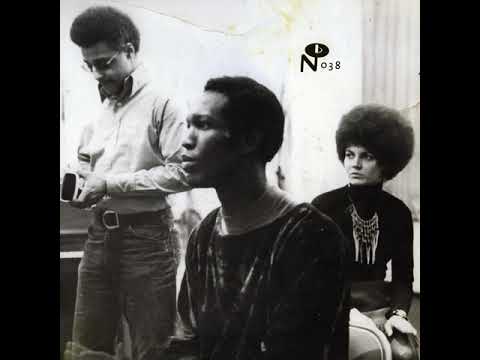
Quick summary
- Track 12 on the privately pressed 1977 album Telling The Truth, later reissued widely in 2011.
- Folk-soul ballad with acoustic guitar, gentle rhythm section, and conversational lead vocal.
- Used on the 2011 feature film 10 Years soundtrack, which helped renew interest.
- Studio core: Willie Wright with guitarist Harry Jensen and drummer George “Buzzy” Bragg; cut fast with minimal overdubs.
- Reflects the album’s stylistic blend of soul, folk, light pop, and singer-songwriter storytelling.
Creation History
Wright tracked Telling The Truth in New York during spring 1977, recording quickly with longtime collaborators Harry Jensen and George “Buzzy” Bragg. He favored first or second takes, keeping the performances loose and intimate. The sessions took place in a modest studio environment, and the final LP was sold person-to-person in small quantities before disappearing into private collections. When Numero Group reissued the record decades later, the song surfaced for a new audience. It is the closer of the original 11-song set, and it sounds like a closing statement: unhurried, resigned, and quietly wise.
Musically, “It’s Only Life, That’s all” is a lean arrangement. The acoustic guitar sets an easy strum, the drums sit back, and the bass ambles rather than walks. Jensen’s taste for unfussy fills and Wright’s own lightly rasped phrasing keep the performance human-scale. Compared with the album’s soft-soul sway on “In The Beauty Of The Night” or the social shadow of “Indian Reservation,” this track leans even harder into folk reflection. Critics have described the album’s palette as an idiosyncratic fusion of soul, pop, rock, and folk; here you hear that mix distilled to essentials.
Highlights
One reason this cut endures is Wright’s voice - not flashy, but connective. He sings in a conversational tenor-baritone pocket, and he leans on rhythm and breath more than on big notes. The hook line, “It’s only life, that is all,” is both shrug and salve. As a writer, he repeats that plain phrase like a mantra, letting meaning accumulate with each verse: children growing up, lovers breaking apart, people stepping on one another to reach their goals. You could call the tone stoic, but I hear warmth in the edges.
Another highlight is the album-arc context. The record opens with a breezy island postcard, “Nantucket Island,” then travels through love songs and everyday dramas. By the time we reach “It’s Only Life, That’s all,” the singer has earned a reflective coda. It lands like the last bench on a boardwalk - you sit, you look back, you accept.
Song Meaning and Annotations
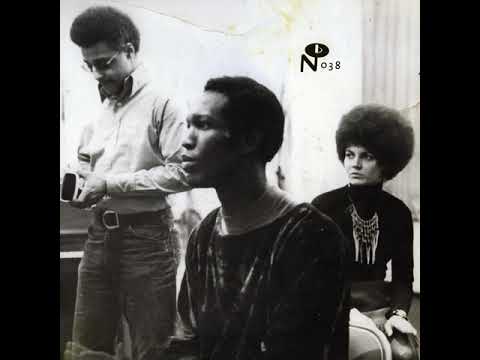
Plot
The lyric moves through a series of snapshots. First, time rushes by and children leave home. Then the world changes faster than the narrator can hold onto the past. In the middle verses he watches people fight their way forward - sometimes carelessly - and wonders why love stories crack. The refrain cuts through each scene: “It’s only life, that is all.” The point is not dismissal, but proportion. He speaks like an elder at a kitchen table, trying to spare you a few wrong turns without denying you your miles.
Song Meaning
At heart the song is about acceptance without apathy. The narrator looks at time’s speed and life’s churn and keeps returning to modest wisdom: life is big, but it is also ordinary, and that ordinariness is survivable. He is not numb; he is practiced. The melody’s small range and the arrangement’s restraint reinforce that message. The emotional arc runs from surprise at how quickly years pass to a kind of peaceful resignation.
Annotations
“Seems the years have passed me by, right before my eyes”
Opener as thesis: the aging shock that sneaks up slowly, then all at once. The song begins in the past tense but sings like a present-tense realization. The line sets a gentle melancholy that never turns bitter.
“Children growin’ up, leaving home”
A recurring image on the LP, where family and distance are constant subplots. Here it frames change as natural. The parents’ refrain - “Look how the kids have grown” - sounds proud, not mournful, which keeps the song from curdling into nostalgia.
“World is changing, oh so fast”
Wright recorded this in the late 1970s while ferrying between urban gigs and island seasons. You hear a working musician feeling cultural drift: the shift from early 70s soul textures to slicker late-70s trends, the move from band rooms to DJ booths. He answers with craft and humility, not complaint.
“Some steppin’ on one another just to reach their goals”
The most pointed line. He notices ambition turning zero-sum. It is not a protest song, but there is quiet judgment here - and in the next breath a hope for “an easier way.” Folk-soul at its most humane.
“Lovers breaking each others hearts... Some love affair ain’t last forever”
Wright refuses melodrama. Instead of betrayal narratives, he treats heartbreak as a common weather pattern. The vocal stays even, the rhythm steady, the perspective intact.
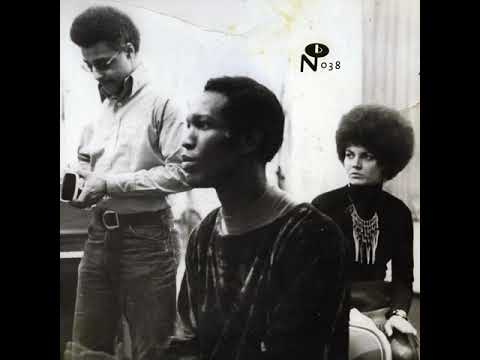
Genre and feel
Call it folk-soul: acoustic guitar at the center, a light groove on the backbeat, soft electric bass outlining changes, and small expressive touches. The composition favors two-bar phrases and short pickups, so the vocal sits comfortably inside the pocket.
Emotional arc
Startled noticing gives way to clear-eyed acceptance. The chorus is the pivot - the phrase flattens drama, easing tension without denying it. It is the sound of someone who has lived with loss and found a way to keep his shoulders down while the world keeps moving.
Historical touchpoints
Wright’s blend connects to a 1970s singer-songwriter tradition that ran parallel to R&B - think Terry Callier’s folk-soul, Van Morrison’s street-poet flow, and Dylan’s mid-70s rambles translated into a Black acoustic vernacular. The album’s reissue history also sits in a wave of archival labels rescuing private-press treasures, which is how this song left the trunk of a car and found the streaming century.
Key Facts
- Artist: Willie Wright
- Featured: None
- Composer: Willie Wright
- Producer: Willie Wright; engineered by Vinny Leary
- Release Date: February 1977 (original LP); March 2011 (reissue)
- Genre: Soul, Folk
- Instruments: Lead vocal, acoustic guitar, electric guitar, bass, drums, occasional flute
- Label: Hotel Records (original); Numero Group (reissue)
- Mood: reflective, warm, bittersweet
- Length: 4:41
- Track #: 12 on Telling The Truth
- Language: English
- Album: Telling The Truth (1977)
- Music style: folk-soul with soft-pop accents
- Poetic meter: mixed iambic phrasing in short conversational lines
Canonical Entities & Relations
- Willie Wright - sings and writes “It’s Only Life, That’s all.”
- Harry Jensen - plays guitar on Telling The Truth.
- George “Buzzy” Bragg - plays drums on Telling The Truth.
- Vinny Leary - engineers the 1977 sessions.
- Hotel Records - issues the private-press LP in 1977.
- Numero Group - reissues the album in 2011 for broader release.
- 10 Years (feature film) - includes the song on its official soundtrack in 2011.
Questions and Answers
- What makes “It’s Only Life, That’s all” stand out on the album?
- It functions as the record’s moral - a calm coda after a suite of island daydreams, love songs, and quiet observations. The mantra-like hook and stripped-back arrangement underscore that role.
- Did the song have a second life after the 1970s?
- Yes. The 2011 reissue brought it to streaming, and the same year it appeared on the film 10 Years soundtrack, which introduced it to new listeners.
- Is it more folk or more soul?
- Both. The rhythm and phrasing draw from soul, but the writing and acoustic feel trace to folk traditions. Reviewers often file the album under a hybrid folk-soul tag.
- Who plays on the track?
- Wright on voice and guitar with Harry Jensen on guitar and George “Buzzy” Bragg on drums, cut quickly with minimal overdubs.
- What does the lyric mean by “It’s only life”?
- It is a perspective trick. He reduces big changes - kids leaving, relationships ending, social pressures - to human scale. That change in scale can be a coping strategy.
- Where else can I hear the song?
- On the 2011 digital and CD reissues, most major streaming platforms, and the official “Provided to YouTube” upload.
- How does it compare to Wright’s more topical songs?
- It is less pointed than “Indian Reservation” and more universal in scope. Instead of addressing a specific injustice, it attends to the everyday.
- Why is the performance so unhurried?
- Because the message is patience and proportion. The musical choices - moderate tempo, light drums, close-miked vocal - mirror that mood.
- Did mainstream charts ever register the song?
- No, the original private-press release lacked the distribution and promo muscle for chart action, though the reissue era boosted its visibility.
- Is there a notable cover of the track?
- None widely documented. Wright’s own take remains the reference version.
Awards and Chart Positions
No major chart entries or awards are documented for the original 1977 release. The track’s modern milestone is its placement on the 2011 film 10 Years soundtrack, which brought it to new listeners and playlists.
How to Sing It’s Only Life, That’s all
Tempo: commonly estimated around 120-125 BPM in 4/4. Key: widely tagged as E major on audio-analytics services. Duration: about 4:41. Style: folk-soul ballad with a laid-back pocket. Tessitura: mid male range, conversational delivery; prioritize phrasing over power.
Step-by-step
- Tempo and groove: Set a metronome near 124 BPM and sing lightly behind the beat. Keep the strum relaxed if accompanying yourself.
- Diction: Preserve colloquial phrasing. Do not over-enunciate; let consonants soften to match the lyric’s ease.
- Breathing: Use quiet, low breaths at phrase starts. The chorus repeats; plan breath points so the hook flows without chopping.
- Flow and rhythm: Treat lines as short thoughts. Resist filling space with vibrato; the song’s wisdom lives in straight tone and timing.
- Accents: Lean gently on words like “only,” “life,” and “that’s all.” The effect is reassurance, not exclamation.
- Ensemble balance: If you add second guitar or keys, keep parts sparse. Jensen-style interjections should answer, not compete.
- Mic technique: Sing close to the mic at low gain to capture intimacy, pulling back slightly on sustained notes at the chorus peak.
- Pitfalls: Do not rush the verses; do not oversing the final chorus; avoid bright, percussive strums that fight the lyric.
Additional Info
There is a reason this unassuming track keeps finding new ears. The album that birthed it was a labor of craft more than a bid for market impact. Decades later, archival efforts reframed that craft for listeners who could finally hear it outside a club or a resort stage. As stated in a 2011 review, the larger record gathers soul, pop, and folk signifiers into something unusually relaxed for its era; this closer distills that blend into a warm farewell. According to the reissue notes, the sessions were fast and largely live, which helps explain the natural air between instruments.
Sources: Numero Group; Pitchfork; Apple Music; Spotify; Discogs; IMDB; Bandcamp; PopMatters; Shazam.
A-Z Lyrics Universe
Cynthia Erivo Popular
Ariana Grande Horsepower
Post Malone Ain't No Love in Oklahoma
Luke Combs Good Riddance (Time of Your Life)
Green Day Bye Bye Bye
*NSYNC You're the One That I Wan
John Travolta & Olivia Newton-John I Always Wanted a Brother
Braelyn Rankins, Theo Somolu, Kelvin Harrison Jr. and Aaron Pierre The Power of Love
Frankie Goes to Hollywood Beyond
Auli’i Cravalho feat. Rachel House MORE ›