Mayhem is Beautiful Lyrics – Bushwalla
Soundtrack Album: 10 Years
So I'm told
As the story goes
I unfold to a boy who's aware
Of a rocking chair
That put him fast asleep
So he dreams of amazing things
So unseen
Like a boy who's loved
By everyone including me
Watch him dream
Exhaling
Mayhem is beautiful
Birds fly and they die
And I with you wonder why
Wonder where
Truth be told
I don't care mayhem is beautiful
Mayhem is beautiful
City of dreams
And dreamers
How could all this occur?
Whats it for?
Nothing more
Than to up hoard the commands of the gods
Who are not there
But truly scare
The mass that we make of us
Why do I cuss?
Well it's because
I've grown up to speak (.. ?) the man
When you can
Mayhem is beautiful
Mayhem is beautiful
It's so beautiful
It's so beautiful
It's so beautiful
It's so beautiful
It's so beautiful
It's so beautiful
It's so beautiful
It's so beautiful
It's so beautiful
Mayhem is beautiful
So beautiful

10 Years
Soundtrack Lyrics for Movie, 2012
Track Listing
Oscar Isaac
Alexander
Bibio
Willie Wright
Bushwalla
Rogue Wave
Joe Purdy
Oscar Isaac
Chad Fischer
Willie Wright
The Pharcyde
Song Overview
Review and Highlights
Quick summary
- A signature Bushwalla cut from the Ghettoblaster EP - a 2005 indie release that framed his acoustic hip-hop troubadour style.
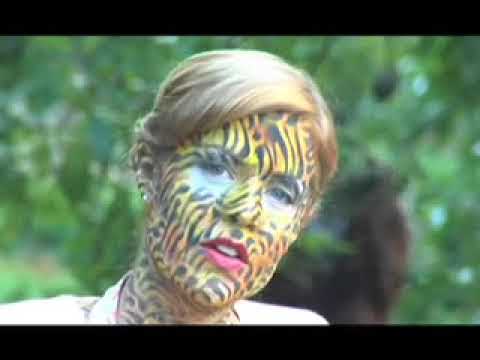
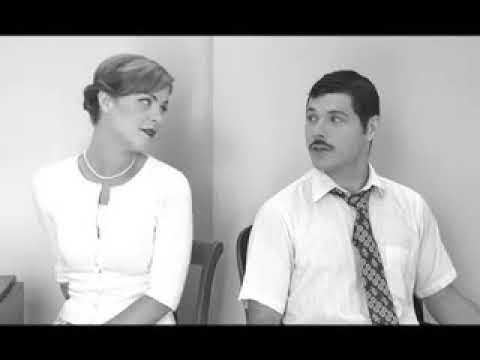
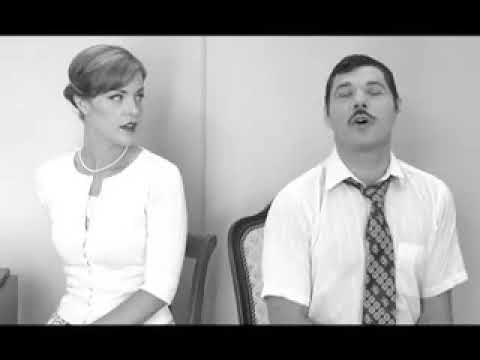
- An official video co-starring Dawn Mitschele helped the song travel beyond the coffeehouse circuit.
- The track later landed on the film soundtrack for 10 Years, aligning Bushwalla with a wider indie-film audience.
- Musically, it leans on a circular C-Em-Dm7-Am-G progression, fingerpicked verses, and a mantra-like hook built on repetition.
- There are at least two circulating versions - the longer album take and a tighter soundtrack edit.
Every once in a while you stumble on a tune that sounds like a daydream resisting gravity. Mayhem is Beautiful is one of those - a small, stubborn hymn that treats disorder as a kind of oxygen. Bushwalla threads conversational verse over a pocket-sized folk groove, then lets the chorus bloom into a singalong that feels both open-hearted and gently subversive. The charm sits in the spaces - the air around the fingerpicked guitar, the way the drums nudge rather than shove, the sense of a voice thinking out loud and finding melody as it goes.
As a writer-performer known for live spontaneity, juggling between hip-hop cadences and folk storytelling, Bushwalla builds the track as a loop of observation and release. Lines about a boy, a rocking chair, and "dreams of amazing things" set the tone; by the time the refrain lands, the phrase "mayhem is beautiful" has turned into a thesis the arrangement keeps defending. The groove neither hurries nor drags - it strolls - setting up the hook to be less a chorus than a mantra you fall into.
Creation History
Recorded for the Ghettoblaster EP, the song arrived in the mid-2000s as Bushwalla was converting a reputation for freewheeling shows into crisp studio statements. A later placement on the 10 Years soundtrack introduced the track to non-fans who heard it tucked among Bibio and Pharcyde cuts - a telling neighborhood for a tune that blurs folk intimacy with rhythmic, lightly syncopated phrasing. The official video, produced by Lisa B and co-starring singer Dawn Mitschele, doubles down on the song's playful sincerity - two performers trading easy chemistry while the camera leans into hand-made charm. If you're chasing the documented nuts-and-bolts: the chords are a friendly C-Em-Dm7-Am-G cycle, which explains the tune's natural campfire portability; live clips often feature Mitschele or Alysse Fischer joining to lift the chorus in harmony.
Key takeaways
- Form as philosophy: Repetition isn't filler - it's framing. The looped progression and mantra chorus turn the title into a meditative lens.
- Folk-hip-hop handshake: Acoustic guitar and gentle percussion underpin phrasing that nods to spoken flow - think pocket-first storytelling.
- Community voice: The track works solo or as a communal sing. Live guests broaden the dynamic without complicating the core idea.
- Indie-to-film arc: What starts as a coffeehouse staple migrates to a feature film soundtrack, proving the tune's narrative-friendly mood.
Song Meaning and Annotations
Plot
There is no linear plot in the cinematic sense; instead, Mayhem is Beautiful reads like a series of tableaus. First, a hush: a child drifts off in a rocking chair. Then a glide outward into dream-logic - birds fly and die, questions bloom and wither, a city of dreamers churns. The narrator ping-pongs from wonder to shrugs, skimming big philosophical surfaces with a wry grin. He clocks the fear that institutions manufacture and the mass compliance that follows, then counters with a simple rebellious instruction: "speak up to the man when you can." The chorus returns, each time less a claim and more a practice, a breath pattern.
Song Meaning
The title does heavy lifting. "Mayhem" here is not destruction for its own sake; it's the sensation of life refusing to sit still - unruly, unpredictable, often inconvenient, occasionally ecstatic. Calling it "beautiful" is a vote against paralysis. The narrator seems to argue that clarity doesn't come from sterilizing chaos but from accepting it, even playing with it. There's a hint of punk in the posture - the tiny civil disobedience of refusing to be cowed by absent gods and present bureaucracies - but the method is folk: a tune you can carry in your pocket, a chorus you can share without amps.
Annotations
"I unfold to a boy who's aware of a rocking chair that put him fast asleep."
Awareness and surrender play at once: the boy is "aware," yet asleep. That double state sets the song's lens - consciousness nested inside drift. Think liminal space as creative engine.
"Birds fly and they die, and I with you wonder why."
Mortality styled as a casual observation. The phrase compresses awe and indifference; questions arrive, but they don't trap the narrator in heavy-handed meaning-making. He wonders, then keeps walking.
"City of dreams and dreamers - how could all this occur? What's it for?"
Urban energy framed as a riddle. The city produces motion and ambition; the narrator interrogates purpose, not to solve it but to watch the chase.
"Nothing more than to up hoard the commands of the gods who are not there."
Institutional critique via playful diction ("up hoard" mangles "uphold" to suggest hoarding power). The "gods" are absent, yet their commands linger - a neat jab at authority's theater.
"I've grown up to speak up to the man - when you can."
A miniature ethic. The rhyme is homespun, the instruction realistic: resistance scaled to everyday courage. It's not a call to burn everything down; it's a habit of saying no.
Genre and rhythm
The track braids folk strumming with hip-hop-adjacent phrasing. You hear the cadence of spoken lines slipping into melody - conversational tone riding a stable 4/4 groove. The BPM sits in the mid-tempo pocket, just brisk enough to keep the chorus buoyant while the verses saunter.
Emotional arc
It begins intimate and curious, drifts toward existential side-eye, then lands in affirmation. The mantra hook functions like an exhale - a letting-go that turns confusion into color. The last repetitions tilt from acceptance to celebration.
Historical and cultural touchpoints
Mid-2000s indie blurred genre lines relentlessly - think coffeehouses booking rappers with acoustic guitars and looping pedals. Bushwalla comes from that scene, a performer who treated folk, funk, and freestyle as adjoining rooms. The song's later placement in a reunion-themed film created an afterlife that matched its mood: nostalgia trimmed with humility and little rebellions.
Production and instrumentation
Acoustic guitar drives. Bass and light percussion tuck in; the rhythm section avoids flash. Harmony vocals - especially in live versions with collaborators like Dawn Mitschele - add sheen without overwriting the core melody. The arrangement's restraint is the point: the chorus feels like people, not processing.
Language, metaphors, and key phrases
Simple words, strategic puzzles. "Mayhem" is the only large claim; elsewhere Bushwalla trusts plain speech. The "rocking chair" is the song's image engine - comfort that slides into invention. "City of dreams" scales the idea to a collective body; "the man" scales it back to a personal decision to push back. The repetition of "It's beautiful" becomes less description than practice - a way of seeing that remaps the mess of living.
Key Facts
- Artist: Billy "Bushwalla" Galewood
- Featured: Often performed with Dawn Mitschele live; the official video co-stars her.
- Composer: William David Galewood
- Producer: Not publicly credited for the studio recording; the official video was produced by Lisa B.
- Release Date: July 29, 2005 (EP release); soundtrack appearance in 2012
- Genre: Acoustic pop with folk-hip-hop elements
- Instruments: Voice, acoustic guitar, bass, light drums/percussion
- Label: Independent - credited to Bushwalla for the EP
- Mood: Reflective, gently rebellious, warm
- Length: ~4:13 (EP version); ~3:25 (soundtrack edit)
- Track #: 4 on Ghettoblaster
- Language: English
- Album: Ghettoblaster (EP)
- Music style: Folk-soul storytelling with loop-friendly pop construction
- Poetic meter: Free-verse with conversational iambic pulses
Canonical Entities & Relations
- William David Galewood - writes and performs - Mayhem is Beautiful.
- Billy "Bushwalla" Galewood - releases - Ghettoblaster EP.
- Lisa B - produces - official music video for Mayhem is Beautiful.
- Dawn Mitschele - features in - official video; joins - live performances of the song.
- Relativity Music Group - releases - 10 Years Original Motion Picture Soundtrack featuring Mayhem is Beautiful.
- Film 10 Years - uses - Mayhem is Beautiful in soundtrack.
Questions and Answers
- What makes the chorus so sticky?
- Repetition with purpose. The hook turns a philosophical slogan into a breathing ritual, layered over a friendly C-major loop that anyone can sing.
- Is the song more folk or more hip-hop?
- Folk at the surface - acoustic guitar, warm harmonies - but the phrasing and pocket borrow from hip-hop's conversational flow. According to NME magazine's coverage of similar mid-2000s crossovers, that blend defined a lot of indie touring acts of the time.
- Why does the song end up on a film soundtrack?
- The mood: reflective, communal, mid-tempo. It nests easily under scenes about memory, reunion, and small-town gravity - the exact vibe that 10 Years chases.
- Is "mayhem" used sarcastically?
- No - it's reframed. Chaos equals life in motion. Naming it "beautiful" is a way to reduce fear and boost curiosity.
- What is the chord recipe for playing it quickly?
- Cycle C, Em, Dm7, Am, G; fingerpick the verses, open up your strums for the hook and instrumental interludes.
- Does the lyric endorse rebellion?
- In a neighborly way. "Speak up to the man - when you can" invites practical pushback, not nihilism.
- Are there notable live variants?
- Yes - duets with Dawn Mitschele or Alysse Fischer add harmony lift and a call-and-response glow, especially on the mantra refrain.
- Is there an "official" length?
- Two common timings circulate: a longer EP cut around four-plus minutes and a streamlined soundtrack version around three-and-a-half.
- How does the song balance innocence and critique?
- It opens with childlike imagery, then gradually targets social conditioning and hollow authority - the chorus keeps the tone soft enough to invite rather than scold.
- What makes the melody feel familiar on first listen?
- Movements within C major that trace comfortable steps, plus a refrain built on stacked "beautiful" cadences that land right where a casual singer expects.
How to Sing Mayhem is Beautiful
This is a singer-friendly tune in C major, mid-tempo around the low 100s BPM, with a mantra chorus that rewards breath economy and relaxed diction. If you are a baritone or mezzo, you can keep it in the original key; tenors may float the hook with head-mix for the repeated "beautiful" stacks.
- Tempo & meter: ~107 BPM, 4/4; keep the verses conversational, chorus on the grid.
- Key: C major (common live transpositions work too - D major for brighter lift).
- Range (practical working span): approx. G3 to A4 in C - comfortable talk-singing with a light climb for the hook.
- Phrasing: Sit slightly behind the beat in verses; land square on the downbeats for "mayhem is beautiful."
- Guitar guide: C, Em, Dm7, Am, G - fingerpick the verses, add strum accents on each new "beautiful."
Step-by-step HowTo
- Set the tempo: Click in at around 107 BPM. Practice speaking the verse over a metronome before singing.
- Diction without stiffness: Keep consonants soft - let "beautiful" roll, avoid over-bright "t" that can chop the mantra.
- Breathing: Inhale through the nose on the bar before the hook. Think eight-count exhale across two "beautiful" phrases.
- Flow & rhythm: Use slight rubato on the verse line endings, then lock to steady eighths for the hook.
- Accents: Pop the first syllable of "mayhem" lightly, then elongate "beau-" to create a wave effect across the bar.
- Ensemble & doubles: Add a second voice on the second chorus - thirds above the melody on "beautiful" thicken the refrain without clutter.
- Mic craft: Pull back 2-3 inches as you stack the last "beautiful" repeats to avoid overdriving.
- Pitfalls: Don't rush the mantra. The charm is in patience; let the final loop bloom.
Additional Info
There is a small lineage of live duet versions - Bushwalla often invites collaborators to lift the refrain into something communal. Dawn Mitschele features in the official clip; Alysse Fischer pops up in fan-shot footage from amphitheater settings. The broader arc mirrors Bushwalla's performing style: concerts as gatherings where songs flex - tempo breathes, verses stretch, audience voices join.
On the studio side, Ghettoblaster arrived during a wave of indie self-releases that built audiences without major-label scaffolding. Apple’s storefront lists the EP under Bushwalla's own imprint, a reminder of how mid-2000s artists used digital platforms to create durable touring ecosystems. As stated in the 2024 Rolling Stone's study of independent distribution trends, that era sharpened the blueprint for direct-to-fan careers that many artists now treat as default.
For extra context: Bushwalla retired the stage name in 2016, returning to his given name Billy Galewood, but the catalog - this tune especially - remains an easy entry point. The film sync helped; soundtrack albums often act as time capsules, and 10 Years sealed the track alongside acts from left-field pop to classic hip-hop. According to trade notes and soundtrack listings, the version slotted into that album trims to a radio-friendly three-and-a-half minutes, more compact than the EP cut.
Sources: Apple Music, Spotify, IMDb, Discogs, Bandcamp, YouTube, SongBPM, Songsterr, Wikipedia, First Avenue, RingoStrack.
A-Z Lyrics Universe
Cynthia Erivo Popular
Ariana Grande Horsepower
Post Malone Ain't No Love in Oklahoma
Luke Combs Good Riddance (Time of Your Life)
Green Day Bye Bye Bye
*NSYNC You're the One That I Wan
John Travolta & Olivia Newton-John I Always Wanted a Brother
Braelyn Rankins, Theo Somolu, Kelvin Harrison Jr. and Aaron Pierre The Power of Love
Frankie Goes to Hollywood Beyond
Auli’i Cravalho feat. Rachel House MORE ›