That's All Right Lyrics – Willie Wright
Soundtrack Album: 10 Years
That's all right, mama
that's all right to y'all
that's all right, baby
any doggone way that you wanna do
My mama told me
Papa done told me too
Son, that gal you been messin' 'round with
ain't no good for you.
I'm leaving town my baby
leaving town for sure
then you won't be bothered with me
hangin' 'round your door.
Mama was the same way
fellas didn't have a clue
and papa never ever had a chance
with a sweet little thing like you.
sugar baby, won' you drag me across the lawn
get on your knees and say "hot dog."

10 Years
Soundtrack Lyrics for Movie, 2012
Track Listing
Oscar Isaac
Alexander
Bibio
Willie Wright
Bushwalla
Rogue Wave
Joe Purdy
Oscar Isaac
Chad Fischer
Willie Wright
The Pharcyde
Song Overview

Review and Highlights
Quick summary
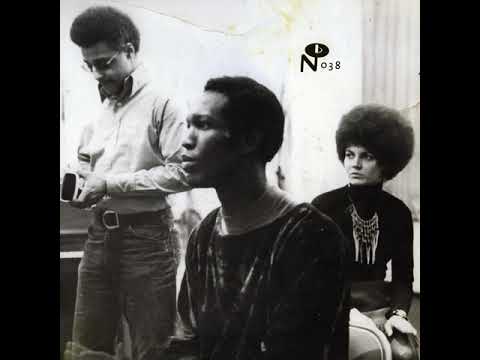
- Willie Wright’s cut widely associated with the 2012 film “10 Years” appears on the official soundtrack under the title It’s Only Life, That’s All - some lyrics sites mislabel it as “That’s All Right.”
- The track is a mellow soul-folk blend reintroduced via Numero Group’s 2011 reissue campaign around Wright’s cult 1977 album Telling the Truth.
- YouTube hosts an auto-generated upload from the Willie Wright Topic channel; the same master circulates on streaming services.
- BPM sits around 124 in 4/4; key data commonly surfaces as E major in third-party music databases.
- Used in the film “10 Years,” credited as written and performed by Willie Wright, via Numero Group and Bank Robber Music.
Creation History
I first heard Wright’s voice described as sitting at the crossroads of folk and soul - a lane he paved and then quietly walked, miles away from the flashier sounds of the mid to late 1970s. Numero Group’s deep-dive reissue of Telling the Truth in 2011 pulled his catalog from obscurity, with critics noting how he folded folk strum, R&B phrasing, and low-key grooves into a warm conversational delivery. Pitchfork, in a 2011 review of the reissue, spotlighted that stew of soul, pop, rock, and folk, calling the album “endlessly listenable.”
The version that cinephiles encountered in “10 Years” is the same Willie Wright performance titled It’s Only Life, That’s All on the official soundtrack, not the Arthur Crudup blues classic “That’s All Right (Mama).” That mismatch of titles on some lyric aggregators has seeded confusion, but studio credits settle it.
Song Meaning and Annotations
Plot
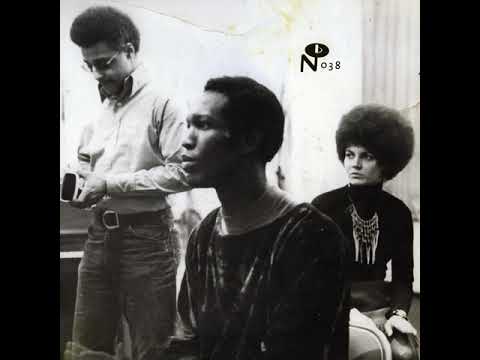
Wright’s lyric persona speaks like a candid friend with life miles under his belt. The hook line - “it’s only life, that’s all” - frames a rolling pep talk rather than a lament. There is no grand plot twist, more a stream of reflections delivered over a gentle backbeat and unhurried guitar, the singer placing everyday aches in scale. According to the 2011 reissue coverage, that balance - tucking lived-in wisdom inside unfussy arrangements - is central to Wright’s appeal.
Song Meaning
The message is a practiced acceptance: embrace the knockdowns, keep going, keep loving. The mood is unflappable, almost porch-swing philosophical. Where contemporaries might reach for dramatic strings, Wright trusts space and time - the kind of time that lets a bassline breathe while the vocal leans into earthy consonants. His story intersects with the folk-soul tradition of early Bill Withers and the soft-rock sensibility of mid-70s singer-songwriters, a lineage several critics observed when the reissue arrived.
Annotations
About those “annotations” floating online: some lyric pages attach verses that actually belong to Arthur Crudup’s blues standard “That’s All Right,” including the famous “That’s all right, mama” opener. That lyric set is a different composition, recorded in 1946 and later popularized by Elvis Presley. Wright’s soundtrack entry is a separate song. The confusion is real, but the paper trail is clear.
“That’s all right, mama… any doggone way that you wanna do.”
This line (and its companion stanzas about “mama told me” and “papa told me”) is from the Crudup standard - not Wright’s It’s Only Life, That’s All. If you see that couplet under Wright’s name, you are looking at a mislabeled page. Crudup’s title later circulated as “That’s All Right, Mama,” and its lyric variants trace back to mid-century blues traditionals.
Wright’s recording for “10 Years” rides a soul-folk pocket. Think fingerpicked or lightly strummed guitar, steady pulse around 124 BPM, and a vocal that cares less about ornament and more about phrasing - the way a good conversation lands. Third-party databases tag it E major, which matches the bright, open-chord color in the guitar voicings.
Genre/style fusion or driving rhythm
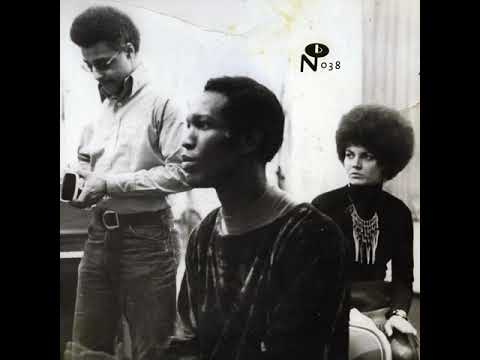
Wright’s pocket is unhurried but insistent. The drum pattern keeps to a straight backbeat, the bass steps in rounded phrases, and guitar voicings stay close to first position - more folk than funk, yet sung with soul reflexes. That blend - folk structure, soul cadence - is exactly the quality Numero Group emphasizes when telling Wright’s story of playing Village coffeehouses and club rooms with equal ease.
Emotional arc
Rather than crest-and-crash dynamics, the arc is flat-and-steady comfort. He offers reassurance and perspective; when the chorus arrives, it lands like a shrug and a smile. A reviewer listening in 2011 heard that as one reason the record does not age - its soft-spoken confidence never goes out of style.
Key cultural/historical touchpoints
Wright’s rediscovery rides the early-2010s wave of archival soul reissues that gave second lives to overlooked regional artists. Numero Group’s program placed him alongside other rescued voices, and film placements - here in “10 Years” - carried his music into new rooms. The official soundtrack lists the piece as It’s Only Life, That’s All, written and performed by Wright, courtesy of Numero Group.
Key Facts
- Artist: Willie Wright
- Featured: None listed
- Composer: Willie Wright (credited on the “10 Years” soundtrack for this recording under the title It’s Only Life, That’s All)
- Producer: Not publicly documented in the soundtrack metadata; the commonly circulating master ties back to Numero Group’s reissue program.
- Release Date: January 25, 2011 digital issue for the album master; used in the 2012 film “10 Years.”
- Genre: Soul, folk, soft-rock blend (as described in 2011 reissue coverage).
- Instruments: Vocal, guitar, bass, drums (studio arrangement typical of the master)
- Label: Numero Group for the reissue master; soundtrack via Relativity/partners (storefront listing shows album credit for the motion picture soundtrack).
- Mood: Calm, reflective, reassuring
- Length: Approx. 4:38 - 4:41 on streaming releases.
- Track #: 4 on the 10 Years Original Motion Picture Soundtrack.
- Language: English
- Album (if any): Appears on Telling the Truth (as part of the reissue program) and on the 10 Years soundtrack.
- Music style: Midtempo soul-folk with conversational lead vocal
- Poetic meter: Mixed - primarily conversational lines falling into 4-beat bars
Canonical Entities & Relations
- Willie Wright - sings and writes It’s Only Life, That’s All (misattributed as “That’s All Right” on some pages).
- Numero Group - reissues Wright’s 1977 album and preserves the master that circulates on streaming.
- Film “10 Years” - uses the track in its soundtrack; IMDB lists the cue with writing and performance by Wright.
- Pitchfork - reviews the 2011 Wright reissue, framing his sound as a blend of soul, pop, rock, and folk.
Questions and Answers
- Is Willie Wright’s “That’s All Right” the same as Arthur Crudup’s “That’s All Right (Mama)”?
- No. Crudup’s 1946 blues is a different composition. Wright’s recording used in “10 Years” is titled It’s Only Life, That’s All on the official soundtrack; lyric sites sometimes conflate titles.
- Where can I find the version used in the film “10 Years”?
- On the official soundtrack album it appears as track 4, credited to Willie Wright. It also streams from the Willie Wright Topic channel on YouTube.
- What is the tempo and key?
- Third-party databases report about 124 BPM in 4/4, commonly tagged in E major. Use that as a starting point for practice and adapt to your voice.
- How does this track fit into Wright’s career?
- It represents the soul-folk palette Wright refined across his 1977 album Telling the Truth, newly heard by many after Numero Group’s 2011 reissue.
- Did the song chart or receive major awards?
- There is no reliable evidence of chart entries or awards for this specific track; its prominence comes from the reissue wave and the 2012 film placement.
- What makes Wright’s delivery distinctive?
- He favors intimate, unforced phrasing over vocal fireworks, sitting his voice inside a folk-leaning groove - a quality noted in 2011 reviews.
- Why do some sites print Crudup’s lyrics under Wright’s name?
- A metadata tangle: similar titles plus user-submitted databases. Cross-checking the film soundtrack and label credits clears it up.
How to Sing That's All Right
I’ll frame this for the widely circulating master tied to the “10 Years” soundtrack - the one listed as It’s Only Life, That’s All.
- Tempo - Work with 124 BPM in 4/4. Clap the backbeat before you sing; the groove likes straight time with relaxed shoulders.
- Key - Start in E major. If the top notes press you, place a capo and keep the E shapes, or transpose to D/C for comfort.
- Breath - Use low, easy breaths. Lines are mostly mid-length; plan quick nose inhales between phrases to keep tone even.
- Diction - Aim for conversational clarity. Wright’s charm is in plain-spoken syllables, not heavy vibrato.
- Flow/Rhythm - Sing just behind the beat on verse entries; slide up to the vowel on “life” and release gently on “all.”
- Accents - Lean into downbeats at phrase starts; de-emphasize word endings so the vocal sits in the pocket.
- Ensemble/Doubles - If you stack a double, keep it whisper-light and tucked; this music prefers air, not density.
- Mic - Use a close, soft capture. Work the proximity effect for warmth on low notes, pull back slightly on peaks.
- Pitfalls - Over-singing. Resist big belted vowels; this track wins on understatement.
Practice materials: run a 124 BPM click; strum open E major shapes; practice verses with a metronome, then switch to the recorded master for phrasing.
Additional Info
The rediscovery arc matters. Wright’s Telling the Truth originally moved in small circles; Numero Group’s reissue shipped his songs into the present. The label’s historical notes describe the original press run being sold hand-to-hand on resort stages - an image that fits the music’s intimacy.
When Wright died in 2020, obituaries referenced that 2011 revival and how it introduced his mellow, craftsmanlike catalog to new listeners. As stated in a 2011 review that helped stoke that revival, the sound “assimilates” soul, pop, rock, and folk, an apt shorthand for the track we hear in “10 Years.”
Sources: Numero Group, Pitchfork, Apple Music, Spotify, IMDb, Tunebat, GetSongBPM, Wikipedia.
A-Z Lyrics Universe
Cynthia Erivo Popular
Ariana Grande Horsepower
Post Malone Ain't No Love in Oklahoma
Luke Combs Good Riddance (Time of Your Life)
Green Day Bye Bye Bye
*NSYNC You're the One That I Wan
John Travolta & Olivia Newton-John I Always Wanted a Brother
Braelyn Rankins, Theo Somolu, Kelvin Harrison Jr. and Aaron Pierre The Power of Love
Frankie Goes to Hollywood Beyond
Auli’i Cravalho feat. Rachel House MORE ›